Suffolk Draft Horse: A Comprehensive Guide to This Majestic Breed
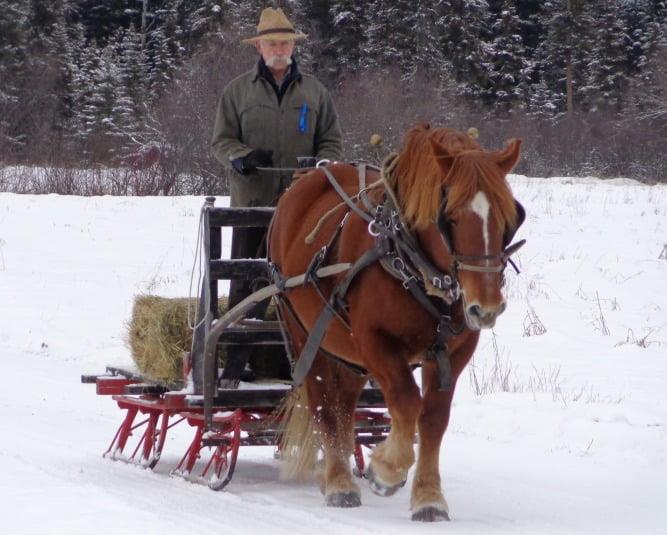
The Suffolk Draft Horse, more properly the Suffolk Punch, is a compact English heavy horse built for real farm work and known for one striking rule: registered stock is always chestnut. It is deep-bodied, broad, and famously powerful for its height, which makes it a calm and capable partner for draught work, driving, and steady riding. That steadiness is genuine, and it is one of the nicest things about the breed. It is also a serious commitment: this is an 800 to 900 kg animal whose feed, feet, and handling all have real consequences. Below is a practical picture of what the breed is like, where it came from, and what to watch for if you are keeping one. 1, 2, 3
History and Origin
Written references to a recognisably Suffolk-type working horse go back centuries. The modern breed traces strongly to a single foundation stallion known as "Crisp's Horse", foaled in 1768 and owned by Thomas Crisp of Ufford. 1, 2
The Suffolk Punch was shaped for field work rather than road haulage, and it comes from Suffolk and the surrounding eastern counties of England. The Suffolk Horse Society in Great Britain was organised in 1880, which reflects how established and how valued the type already was by the late 19th century. 1
Appearance and Physical Characteristics
The Suffolk Punch looks condensed next to taller, rangier British heavy horses: deep through the body, broad in the chest and quarters, and built to lean into a collar for long hours. It is not the tallest draft breed, but it is famously powerful for its height. 1
Height commonly sits around 15.2 to 16.2hh, with modern individuals often up to about 17hh, and typical weight runs from about 725 to 900 kg, sometimes more. The coat is always chestnut in registered stock; shades vary and white markings are usually minimal. 1, 3, 4
Breed standards describe a mature Suffolk as wide and level through the back, broad in front and behind, with short legs for the body, plenty of bone, and strong, round feet. Movement is straight, efficient and ground-covering, made for pulling rather than posing. 5
Temperament and Personality
Most Suffolk Punches are docile and willing, and that calmness is a real advantage when you are harnessing, doing slow farm tasks, or teaching a horse to stand while you fuss with gear and feet. Quiet does not mean effortless, though. An 800 to 900 kg animal that leans on a handler or crowds a gate can be dangerous without consistent boundaries and regular, low-stress training. 1
Is a Suffolk Punch Right for You?
For most first-time owners, honestly, this is a lot of horse. The breed is steady and rewarding, but it is heavy, it is powerful, and it needs experienced, consistent handling and a property that suits a draught horse. If you have the space, the time, and the skills, a Suffolk can be a superb working and driving partner. If you are looking for a low-maintenance first horse, this is not it. The breed is also rare, so ownership often comes with a role in keeping the type alive.
Training and Exercise
Start with the basics that matter for a heavy horse: leading politely, standing tied, picking up all four feet, and being comfortable with clippers, harness, rugs, and unfamiliar noises. Keep sessions short, repeatable, and tidy, because the breed's steady nature responds well to calm consistency.
Regular work also matters for the horse's waistline. A Suffolk doing only light work on good pasture can gain condition quickly, so steady, consistent exercise is part of keeping one healthy, not just useful.
Health and Lifespan
Lifespan varies with management, workload, and injury history. Many sources place the Suffolk Punch in the mid-20s in years, with some living longer under good care. 6
The problems that catch out big horses tend to sneak up. Draft horses carry condition easily, especially on light work and good pasture, and obesity is not just cosmetic: it raises the risk of laminitis and reduces heat and exercise tolerance. Some horses can become obese on quality hay or pasture alone. 7
If your Suffolk is getting cresty in the neck, developing fat pads around the tail head, or becoming pottery on hard ground, treat it as a management problem, not a personality quirk. If insulin regulation is involved, as in equine metabolic syndrome, laminitis risk rises further and diet and foot care become central. 8
The preventative care that keeps a Suffolk sound is not optional:
- Hooves: keep a regular farrier schedule and do not let small changes linger, because big bodies punish weak feet.
- Body condition: use a weigh-tape, score condition, and adjust feed before the horse is obviously overweight. 7
- Vet care: routine vaccinations, dental checks, and parasite control suited to your property and local risk.
Grooming and Care
Suffolks are relatively straightforward to groom. Regular brushing keeps the coat clean and helps you spot rubs, skin irritation, and swelling early. The real maintenance is often lower down, in the feet, legs, and the spaces where mud and moisture sit.
Draft horses can be prone to persistent lower-leg wetness and hoof hygiene issues if they are standing in mud or manure-contaminated yards. Clean out hooves routinely, pick up problems early, and keep living areas as dry as your set-up allows.
Diet and Nutrition
Most Suffolk Punches do best on a fibre-first diet built around forage, meaning pasture and hay, with concentrates added only when workload and body condition genuinely demand it. The goal is steady energy without pushing the horse into excess weight. 7
Because obesity is tied to laminitis risk, be cautious with high-calorie rations and high sugar or starch feeds, especially in easy keepers or horses showing signs of metabolic trouble. 7, 8
- Base the ration on good-quality hay and pasture, and adjust quantity to maintain a healthy condition rather than a "well-fed look".
- If extra energy is needed for work, increase carefully and reassess weekly.
- Provide constant access to clean water and appropriate minerals and salt for your region and workload.
A Few Things Worth Knowing
- The Suffolk Punch is widely regarded as a rare breed, with conservation groups listing it as "critical". Numbers have improved in some places, but every responsible breeder and owner matters. 2
- It is also known simply as the Suffolk. 1
- Common uses include farm and forestry draught work, driving, heritage demonstrations, and steady riding for suitably experienced handlers. 3
The Bottom Line
A Suffolk Punch is an old kind of strength: compact, steady, and built for real work. Kept fit and sensibly fed, it is a capable draught horse and a calm partner. Let condition creep up, let the feet slide, or skip the quiet early training, and the same power becomes hard to manage. For the right owner with the space and experience, it is a rewarding horse and a rare one worth caring for well.
References
- Encyclopaedia Britannica, "Suffolk (horse breed)"
- Wikipedia, "Suffolk Punch" (general history overview; verify key details with primary breed societies where possible)
- The Suffolk Punch Trust, "Welcome" (breed overview and typical height range)
- North American Suffolk Horse Association, breed information (colour and general type)
- The Suffolk Punch Trust, "Breed Standards"
- Animalife (UK), "Suffolk Punch Horse" (lifespan and general breed notes)
- Merck Veterinary Manual, "Nutritional Diseases of Horses and Other Equids" (obesity risks including laminitis)
- Merck Veterinary Manual, "Equine Metabolic Syndrome" (insulin dysregulation and laminitis risk)

Dog lover and writer at My Pets Australia, sharing practical breed guides and care advice for Australian pet owners.