The Thrill of Stunt Riding Horses: A Guide to Equestrian Acrobatics
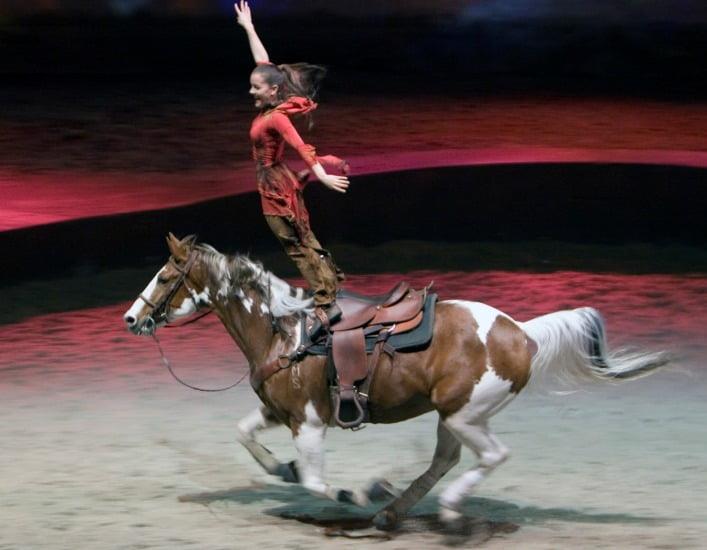
Stunt riding, also called trick riding, is one of the most watchable things a horse and rider can do together: rehearsed moves performed on a moving horse, from standing in the saddle to hanging off the side to swapping positions at a canter. The best acts look effortless because the groundwork underneath them is anything but. A good stunt horse is calm, rhythmic and physically comfortable doing unusual work, and getting one to that point takes months of patient training. It is also genuinely demanding on the animal, so welfare and preparation matter as much as the spectacle. This guide covers what the discipline involves, how horses are chosen and trained, and the health checks that keep them sound.
What Stunt Riding Actually Is
Stunt riding is a performance discipline where a rider carries out rehearsed movements on a moving horse. That might mean standing, hanging off the side, changing positions at speed, or working in pairs or teams. Depending on the act it goes by different names, including Roman riding or vaulting-style acrobatics. In most acts the horse's job is quiet and consistent: hold the rhythm, keep the line, and respond to familiar cues while the interesting movement happens above the saddle.
The most reliable performances look almost plain from the horse's point of view. The arena is predictable, the tack is comfortable, and the cues stay consistent. The tricks are built in layers, with plenty of repetition and rest.
Where It Came From
Equestrian acrobatics has long roots in mounted display, from military riding and public exhibitions through to circus and arena entertainment. In the 19th century, travelling shows, including Wild West shows, helped popularise dramatic riding feats for mass audiences, and the style later fed into early film and live arena productions. Keep the history in perspective though. Many of the legendary accounts are promotional, and the practical craft has always come down to the same basics: sound horses, careful training, and controlled conditions.
What Makes a Good Stunt Horse
There is no single perfect breed, but a few traits show up again and again: steady rhythm, tolerance for noise and movement, quick understanding of cues, and a body that stays comfortable under athletic work. Many stunt horses are medium-sized, compact and athletic, big enough to carry a moving rider safely but agile enough to balance through turns, transitions and sudden shifts of weight. Quarter Horses are common in Western performance settings, because many lines have a naturally compact, powerful build suited to quick adjustments and short bursts of effort.6
Temperament is the part that really decides it. The best description is workmanlike. A suitable horse tends to be:
- Calm under stimulation such as music, applause, flags and spotlights
- Clear-headed when the rider's balance shifts
- Consistent in rhythm and steering
- Trainable without being tense or reactive
Even then, suitability is individual. Two horses of the same breed and age can respond very differently to the same environment.
How It's Trained Safely
Good stunt training looks slow from the outside. It is a patient process of teaching the horse that unusual movement is not a threat, and teaching the rider to stay predictable and balanced. Most programmes begin with groundwork and calm ridden work: straightness, rhythm, reliable transitions, and clear stop, go and steer responses. The trick is added only once the horse can stay relaxed and physically organised through ordinary work.
Horses are usually introduced gradually to what they will meet at a show, including movement above the saddle, swinging props and crowd noise, using controlled exposure at an intensity the horse can tolerate. The aim is not to overwhelm the horse into silence, but to keep it under threshold so learning stays calm and repeatable. Modern equitation science backs this up, emphasising clarity, timing, and avoiding methods or equipment that cause pain, distress or confusion.4 In practice that means simple cues, immediate release of pressure when the horse responds correctly, and training plans that do not rush fatigue, fear or frustration into the work. Pressure-and-release, known as negative reinforcement in learning-theory terms, is a normal part of riding, and its welfare hinges on timing, intensity and the rider's consistency.5
Safety gear is not negotiable. At a minimum, riders need correctly fitted protective headgear in a recognised safety standard, fastened securely. In Australia, Equestrian Australia publishes a list of accepted helmet standards for competition and recommends approved helmets when riding generally.1 Beyond helmets, safety is also about the environment: reliable footing, enough space, well-maintained tack, and a plan for what happens if the horse becomes unsettled mid-act.
Health Risks to Watch For
The biggest risk in stunt work is not the dramatic fall, it is repetitive strain. Small overloads accumulate through training and performance, and they add up quietly. Problems often seen in performance horses include lameness related to repetitive stress on bones, tendons, ligaments and joints, especially when conditioning, hoof balance or footing are not right.7
The venue matters too. Dusty, ammonia-heavy environments can irritate the respiratory tract, so good ventilation and dust control are part of keeping performance horses well, particularly when shows run in enclosed arenas or stables.8 A proper warm-up, regular rest days and varied conditioning all help reduce the load on the same tissues day after day. Stunt training that chases one more repetition is often where strains begin.
Daily Care, Feet and Diet
Grooming for stunt horses is practical first, presentational second. Regular brushing helps you spot heat, swelling, rub marks and soreness before they turn into a performance-ending injury. Hoof care is especially unforgiving in this discipline, because small imbalances can become big lameness problems when a horse is asked to turn sharply, stop, or carry shifting weight repeatedly.7
On feed, most stunt horses do best on the same fundamentals as other performance horses: plenty of forage, careful control of concentrates, and steady access to clean water. The correct ration depends on workload, body condition and temperament, and too much energy in the feed bin can be as unhelpful as too little. If you are changing the diet around show time, do it gradually, because the gut does not cope well with sudden change.
Famous Stunt Horses
Film and touring shows made certain horses famous, sometimes with claims that grew in the telling. Roy Rogers' palomino Trigger remains the best-known example, celebrated for performing trained routines on screen and in public appearances.9 Behind the legend sits a more ordinary truth: consistent handling, careful training, and selecting a horse that stayed physically and mentally steady in unusual settings.
The Bottom Line
Stunt riding looks daring because it is, but the best acts are built on restraint. The horse moves like a metronome, the rider stays quiet and precise, the equipment fits, and the arena is predictable. If any of those pieces are missing, the work stops being art and starts being risk. If you are considering trick riding, look for professionals who talk readily about conditioning, welfare and exit plans. The calmest people in the yard are usually the safest.
References
- Equestrian Australia, Current approved safety standards for helmets
- Equestrian Australia, Helmet regulations updated
- Equestrian South Australia, Current approved safety standards for helmets
- International Society for Equitation Science (ISES), Training principles (learning theory in equitation)
- National Museum of Australia, Equitation science: understanding how horses think and learn (transcript)
- American Quarter Horse, breed overview (Wikipedia)
- MSD Veterinary Manual, Lameness in horses
- Merck Veterinary Manual, Overview of respiratory diseases of horses
- Trigger (horse), background and film career (Wikipedia)

Dog lover and writer at My Pets Australia, sharing practical breed guides and care advice for Australian pet owners.