Spanish Mastiff
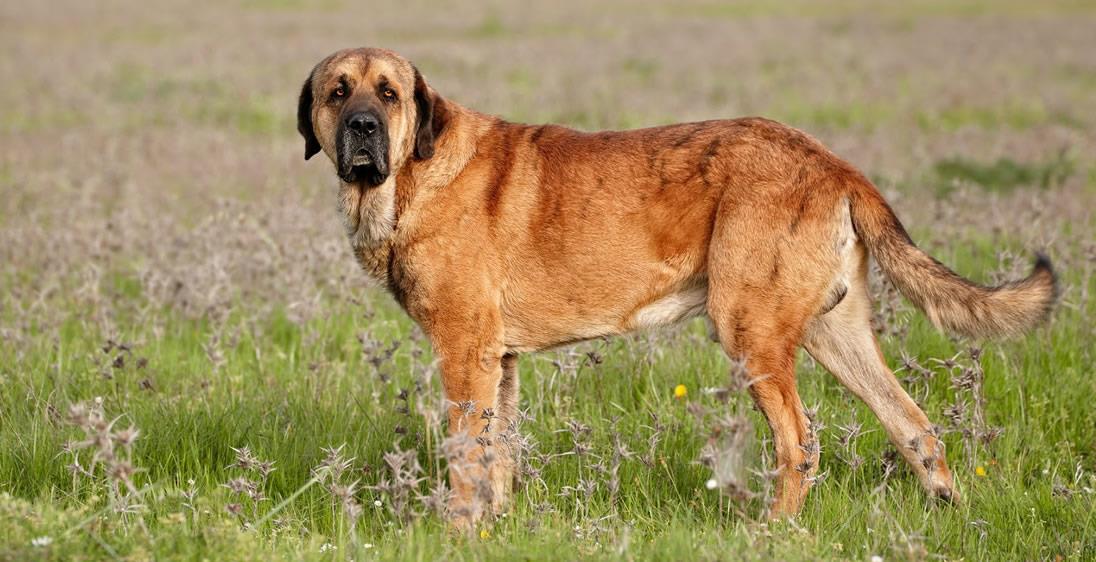
The Spanish Mastiff (Mastín Español) is a true giant of a dog, bred in Spain to stand guard over flocks and hold its ground against anything that came for them. What people fall for is the calm: a well-raised Spanish Mastiff is steady, watchful, and quietly imposing rather than frantic or noisy. That guardian instinct is the whole appeal, and it is also the whole catch, because the same dog that patrols your yard at night decides for itself who belongs there. It is a rewarding breed for the right home and a lot of dog for the wrong one. This guide covers the size, temperament, care, training and health realities worth understanding before you commit.
Size: Males typically 80 cm+ at the shoulder, females typically 75 cm+ at the shoulder1
Weight: Giant breed, weight varies widely depending on sex and build2
Coat: Dense, thick, medium length, with heavier seasonal shedding in many climates1
Colour: Wide range, including yellow, fawn, red and black, plus wolf or deer shades, with brindle and mixed patterns also seen2
Temperament: Naturally protective and watchful, typically calm when settled and well socialised3
Intelligence: Capable and observant, with a strong independent streak common in livestock guardian breeds3
Trainability: Usually responsive to reward-based training, but not a do-anything-for-anyone type4
Exercise needs: Moderate, with consistent daily movement and room to stretch mattering more than speed or distance5
Grooming: Moderate, with regular brushing to manage the dense coat and shedding5
Health: Like many giant breeds, can be vulnerable to orthopaedic issues and life-threatening gastric dilatation-volvulus (bloat or GDV)6
History and Origin
The Spanish Mastiff developed in Spain as a livestock guardian, shaped by long days beside moving flocks and cold nights out on the plains. The job was never herding. It was presence: a large body planted between the stock and trouble, alert enough to notice small changes in the dark.7
Appearance and Physical Characteristics
This is a genuine giant, heavy-boned, broad through the chest, and built for endurance rather than speed. The head is large, the neck strong, and the skin is often loose around the throat and chest, which is typical of many mastiff-type dogs.5
The coat is dense and weather-resistant, usually of medium length. Colours vary widely across the breed, and mixed patterns, including brindle, are accepted in the major breed descriptions.2
Temperament and Personality
In a settled home, Spanish Mastiffs are calm and measured, the kind of dog that watches first and decides what matters second. That is part of what people love about them, and part of what surprises first-time owners.
Many show strong territorial behaviour, especially as they mature. They can be reserved with strangers and naturally inclined to guard their home, yard or family. Early, gentle socialisation and clear household routines keep that instinct manageable and appropriate.3
Training and Exercise
Training works best when it is quiet, consistent and reward-based. Harsh corrections can damage trust and may increase fear-based behaviour, particularly in a big dog who already feels responsible for assessing risk.4
- Start early and keep it calm: short sessions, clear cues, and generous rewards for the behaviour you want.
- Socialise thoughtfully: aim for controlled, positive experiences with people, dogs, noises and surfaces, without forcing interactions. Let the puppy choose to approach or step away.8
- Practise real-life skills: settling on a mat, walking on lead without dragging, waiting at gates, and coming when called even when distracted.
Despite their size, Spanish Mastiffs are not high-octane dogs. They need daily movement and space, but they are not built for repeated hard running beside a bike. A steady routine suits them best:
- one or two relaxed walks each day
- time in a safely fenced area to wander and sniff
- basic obedience practice and calm enrichment such as food puzzles and scent games
If you are in suburbia, fencing and gates matter as much as exercise. A Spanish Mastiff who can see the whole street from the front yard may decide the whole street is theirs to monitor.
Is a Spanish Mastiff Right for You?
They can be a great dog, but they are not forgiving of a casual setup. A good match usually looks like this:
- secure fencing and enough space for a giant dog to move comfortably
- owners who enjoy calm, consistent handling rather than dominance games
- a plan for early socialisation and ongoing training
- comfort with barking and guardian behaviour, managed rather than punished
If you want a giant dog who greets every stranger like a long-lost mate, this is probably not your breed.
Health and Lifespan
Giant breeds come with giant-breed health realities, and two categories deserve particular attention.
Orthopaedic issues. Hip dysplasia is a known concern across many large and giant breeds. Ask breeders for documented hip scoring and health testing, and talk with your vet about sensible growth, diet and exercise through adolescence.
Gastric dilatation-volvulus (bloat or GDV). GDV is a life-threatening emergency where the stomach distends and can twist. It is seen most often in large and giant breeds, and it needs immediate veterinary treatment.6 Know the warning signs, which include unproductive retching, a distended abdomen, restlessness and sudden collapse, and ask your vet whether your dog's build and family history suggest elevated risk.
Grooming and Care
The coat is not delicate, but it is dense. Brush regularly to lift dead undercoat, reduce shedding around the house, and keep the skin in good condition. Expect seasonal coat blow-outs in places with real winters or strong seasonal shifts.5
Bathe only as needed, and check the ears, nails, and the skin under the neck folds and jowls, where moisture can linger.
A Few Things Worth Knowing
- As livestock guardians, Spanish Mastiffs are selected for steadiness, independence, and the ability to hold ground.7
- That heritage shows up even in companion dogs. Many will patrol a yard at night, bark to announce movement, and position themselves between family members and unfamiliar visitors.
- The independent streak is real. This is not a dog that lives to obey, so consistency counts for more than repetition.
The Bottom Line
A Spanish Mastiff that is well bred, well raised and well managed is a calm, impressive guardian. One that is under-exercised, poorly socialised or handled harshly can become difficult to live with. Give it secure fencing, calm and consistent training, and an owner who respects the guardian instinct rather than fighting it, and this is a superb dog. Bring it into a casual or under-prepared home and both of you will struggle.
References
- United Kennel Club (UKC), Spanish Mastiff Breed Standard
- United Kennel Club (UKC), Spanish Mastiff: colour and general description
- United Kennel Club (UKC), Spanish Mastiff: temperament notes within breed standard
- RSPCA Australia, Reward-based training and why punishment is not recommended
- Daily Paws, Spanish Mastiff breed overview (size, coat, grooming)
- Royal Canin Academy, Gastric dilatation and volvulus (GDV) overview and risk factors
- Encyclopaedia Britannica, Mastiff-type dogs (historical role and general characteristics)
- RSPCA Knowledgebase, How to socialise a puppy (reward-based, choice-led approach)

Dog lover and writer at My Pets Australia, sharing practical breed guides and care advice for Australian pet owners.