Shiloh Shepherd
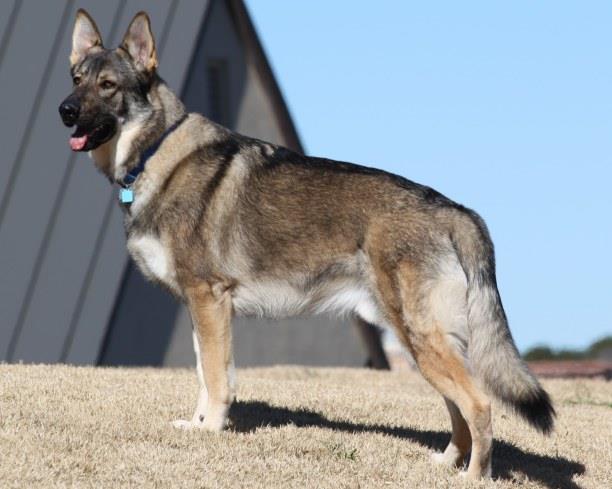
The Shiloh Shepherd is a large, shepherd-type dog bred in the United States for steady companionship as much as capability. It carries the alert, watchful character of a shepherd, but the lines were selected toward a calmer, more people-focused temperament than many high-drive working dogs. In the right home it settles into family life with quiet confidence, close to its people and happy with a routine. It is also a big, fast-growing animal, and with a dog this size small misunderstandings turn into expensive vet bills or behaviour problems. This profile covers where the breed came from, what to expect in size and temperament, and the health risks worth planning around, grounded in breed registry material and veterinary guidance.1, 2
History and Origin
The Shiloh Shepherd was developed in the United States in the late 20th century, with early breeding commonly linked to breeder Tina Barber. The aim was a large shepherd-type dog selected for a stable temperament and physical soundness, drawing on German Shepherd Dog foundations and other large northern-type influences described within Shiloh breed communities.1, 4
It helps to be clear about what the Shiloh Shepherd is not. It is not simply a long-coated German Shepherd, and it is not a size-upgrade of the German Shepherd Dog. Most Shiloh organisations treat it as its own developing breed with its own registries and standards.3, 6
That distinction matters when you go looking for one. In many countries, including here, the Shiloh Shepherd is not recognised by major all-breed kennel clubs, so you will often be dealing with breed-specific registries and breeder codes of ethics rather than a single national kennel club system. When comparing breeders, ask which registry the dogs are recorded with and what health screening is required for breeding animals. The International Shiloh Shepherd Dog Club (ISSDC) lists partner registries and notes that not all all-breed registries apply Shiloh-specific validation rules.6
Appearance and Physical Characteristics
Shiloh Shepherds are tall at the shoulder and long in the body, with a deep chest and strong bone. Males commonly stand around 71 to 76 cm at the shoulder and females around 66 to 71 cm, though breed standards may list broader ranges and minimums.1, 3 Weight often falls roughly between 34 and 54 kg depending on sex, build and line, and it is worth avoiding breeders who chase giant sizes at the expense of soundness.3, 4 Breed standards typically assess adults at full maturity around three years of age, not at 12 months when many are still all legs.4, 5
The breed has a double coat, and most registries describe two coat types:
- Smooth: a close-fitting double coat with a harsher outer layer.4
- Plush: longer outer hair with a denser, softer undercoat and more feathering around the neck and legs.4
Colours are commonly sable and black-and-tan, with some standards also allowing solid black and solid white.5 The coat is built for weather, which also means seasonal shedding is normal and it arrives all at once.4
Temperament and Personality
A well-bred, well-raised Shiloh Shepherd is usually described as steady and people-focused, more companion-oriented than many high-drive working shepherd lines, while still keeping the alertness and confidence that makes shepherd breeds so watchful of their surroundings.3
That balance is easiest to live with when it is shaped early. These dogs notice everything. Without calm, consistent training and generous social exposure, protective can slide into over-vigilant behaviours: barking at visitors, discomfort around strangers, or trouble settling when the household changes rhythm.
Is a Shiloh Shepherd Right for You?
In the right home a Shiloh Shepherd is a calm, affectionate presence, large enough to feel like part of the furniture, observant enough to notice every visitor, and trainable enough to enjoy learning the household rules. It is a big commitment, though, and honest about the demands is fairer than a sales pitch.
Often a good fit if you have:
- Space for a large dog to move comfortably, inside and out.
- Time for daily training and structured exercise.
- Interest in early socialisation and ongoing manners, especially greetings and lead walking.
Often a poor fit if you have:
- Very limited time at home, since some dogs develop separation distress, particularly if routines change abruptly.10
- A preference for a low-shedding, low-maintenance coat.
- No appetite for training a powerful adolescent dog through the clumsy teenage months.
If you are weighing this breed against a German Shepherd, the German Shepherd Dog is a long-established, widely recognised breed with many distinct working and show lines. The Shiloh was developed more recently, with breed communities describing it as larger-framed and selected toward a steadier companion temperament on average, though individuals vary widely by line and upbringing.3, 5 Focus less on the labels and more on the dog in front of you: the parents' temperaments, the breeder's health testing, and how thoughtfully the puppies are raised.
Training and Exercise
Shiloh Shepherds do best with daily exercise paired with mental work: training sessions, scent games, structured walks, and chances to practise calm behaviour around the ordinary bustle of life. The goal is not to exhaust them with endless running but to build a dog that can switch off.
Training style matters. Clear routines, rewards for the behaviour you want, and early, sensible socialisation tend to produce the best adult dogs. That is especially true in a breed that can grow large enough to knock over a child simply by turning too quickly in a hallway.
Health and Lifespan
No breeder can promise perfect health, but they should be able to show you what they have done to reduce predictable risks. In large shepherd-type dogs the main watch-outs are joint disease and gastric dilatation-volvulus (GDV), often called bloat.
Hip and elbow dysplasia are common discussion points in large breeds. Practical risk reducers include choosing breeders who screen breeding animals, keeping puppies lean during growth, and avoiding excessive impact exercise while the joints are still developing.
GDV is a life-threatening emergency where the stomach can distend and twist, cutting off blood flow and rapidly leading to shock. It is seen most often in large, deep-chested dogs, including shepherd types.7, 8 The risk cannot be eliminated, but routine habits help:
- Feed two or more smaller meals rather than one large meal.8, 9
- Avoid vigorous exercise for at least an hour before eating and for at least two hours afterwards.8, 9
- Slow down fast eaters with slow feeders, puzzle feeding or scattered kibble.8
- Know the early signs (unproductive retching, a swelling abdomen, drooling, restlessness) and go to an emergency vet immediately if they appear.7, 9
Grooming and Care
The Shiloh Shepherd's coat is designed to insulate, not to be fussed over, but it does need regular brushing. A thorough brush once or twice a week is a reasonable baseline, with more frequent sessions during seasonal coat blows. The aim is to lift out dead undercoat before it mats and before it ends up as tumbleweeds around the skirting boards.
Keep the nails trimmed, the ears clean and dry, and the teeth cared for. With large dogs, small maintenance tasks done consistently tend to prevent big, expensive problems later.
A Few Things Worth Knowing
- The breed is not recognised by major all-breed kennel clubs, so expect breed-specific registries rather than a national kennel club pedigree.6
- Adults are assessed at full maturity around three years of age, so a 12-month-old is far from finished.4, 5
- Seasonal shedding is heavy and arrives all at once, so a low-shedding household this is not.4
- As a large, deep-chested dog, this is a breed where knowing the signs of bloat can save a life.7
The Bottom Line
The Shiloh Shepherd is a big, watchful dog built for companionship as much as work. When breeding is careful and early training is steady, they move through family life with a quiet confidence, close to their people, responsive to routine, and happiest with a job, even if that job is simply to walk, learn and settle. Before you commit, confirm which registry the breeder uses, what health screening has been done, and how they will support you through adolescence. With a dog this size, good beginnings show up for years.
References
- Petco, Shiloh Shepherd Breed Facts and Information
- International Shiloh Shepherd Dog Club (ISSDC), Appearance
- The Shiloh Shepherd Registry (TSSR), Frequently Asked Questions
- International Shiloh Shepherd Dog Club (ISSDC), Coat varieties and maturity notes (Appearance)
- ISSDC, Shiloh Shepherd Breed Standard
- ISSDC, Registries
- Cornell University College of Veterinary Medicine, Gastric dilatation-volvulus (GDV) or bloat
- American Animal Hospital Association (AAHA), Understanding Canine Bloat (GDV): A Medical Emergency
- VetZone (Australia/New Zealand), Gastric dilation and volvulus (bloat) in dogs
- RSPCA Victoria, Separation anxiety

Dog lover and writer at My Pets Australia, sharing practical breed guides and care advice for Australian pet owners.