Shetland Sheepdog
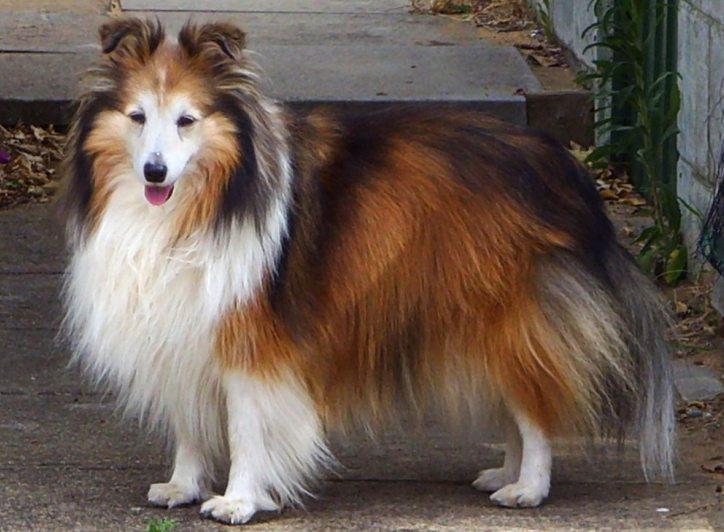
The Shetland Sheepdog is a small, agile herding dog with a full double coat and a sharp, watchful nature. Often called a "mini Rough Collie", the Sheltie is actually its own breed, with its own standard, and its own set of quirks. Their real appeal is the mix of brains and devotion: they learn fast, bond hard, and notice everything that happens around the home. That last trait cuts both ways. A Sheltie that suits your routine settles into a calm, attentive companion, while one left under-stimulated can turn noisy or anxious around strangers.
History and Origin
Shelties developed on Scotland's Shetland Islands, where small, quick dogs earned their keep around stock and crofts. The modern breed carries influence from Collie-type herding dogs. The exact mix varies across the early histories, but the outcome is consistent: a compact dog built to move, watch, and respond fast to direction. Wind, rock and livestock shaped a dog that is agile, alert and closely tuned to its handler.
Appearance and Physical Characteristics
The Sheltie is a small herding dog with a double coat and an alert expression. In Australia, the recognised ideal height is about 37 cm for dogs and 35.5 cm for bitches, with more than 2.5 cm either side considered highly undesirable in the breed standard.1 The coat is the defining feature: a soft, dense undercoat sits beneath a longer, harsher outer coat. This is protective insulation built for a cold, exposed climate, not just decoration.2, 3
Temperament and Personality
In the home, many Shelties are quietly observant. They tend to bond closely with their people and notice change: cars pulling up, gates clicking, unfamiliar footsteps on the path. That vigilance is part of the breed's appeal, and it is also where most problems begin if it is not managed thoughtfully.
Shelties are commonly reserved with strangers and can bark readily when someone approaches the house. Some individuals bark excessively if they are over-excited, under-exercised, or left with too little to do for long stretches.7 It is also not unusual for a Sheltie to be cautious around unfamiliar people or dogs. Early, gentle socialisation helps them learn what is normal in your world, whether that is visitors, kids on scooters, cafes or the vet, without forcing interactions or overwhelming them.7
Is a Shetland Sheepdog Right for You?
A Sheltie suits someone who enjoys gentle training, steady routines, and keeping barking in check early rather than trying to fix it later. They can be wonderful with families, and they also suit older people who want a close companion, provided the household is ready for a dog that notices everything and prefers a calm, predictable approach to new experiences.7
They do not need a big backyard. Shelties can live well in apartments and smaller spaces as long as their daily exercise and mental stimulation are consistent.7 The dog that struggles is the one left alone and unoccupied for long stretches, because a bored working-dog brain finds its own entertainment, usually by barking.
Training and Exercise
Shelties do not need a marathon, but they do need a purpose. A daily walk paired with short training sessions, scent games, or agility-style play usually suits them better than a big backyard alone. They are quick learners and often enjoy structured activities like obedience or agility.
- Daily movement: a brisk walk plus a short run or play is a common baseline.
- Mental work: training, food puzzles, and new routes help prevent boredom-driven barking.
- Gentle handling: they typically respond best to calm, reward-based training rather than harsh corrections.
Health and Lifespan
Many Shelties live into their teens, and the breed can be robust when responsibly bred. There are, however, a few inherited problems that are well recognised in the breed, and good breeders plan around them with testing and transparent records.
Progressive Retinal Atrophy (PRA) is an inherited degenerative disease of the retina that leads to vision loss over time. There is generally no curative treatment, and affected dogs should not be bred.4 Collie Eye Anomaly (CEA) also occurs in Shetland Sheepdogs. It is a hereditary condition affecting eye development, and DNA testing can identify clear, carrier and affected dogs. An eye exam may not detect all cases at all ages, including masked presentations, which is why DNA testing can be useful alongside ophthalmic exams.5, 6 When you buy a puppy, ask what eye screening has been done in the breeding lines, including DNA tests, ophthalmologist exams, and dates.
Hip dysplasia can also occur in Shelties. Breed organisations and health schemes commonly recommend, and in some programs require, hip evaluations such as OFA or PennHIP as part of responsible breeding decisions.10
Some Shelties put on weight easily, and extra weight can make heat stress more likely. Keep an eye on body condition, not just the number on the scales. Your vet can help you assess this and set a feeding plan.7
Grooming and Care
Despite the hairy-dog reputation, coat care is usually manageable if you keep up a routine. A thorough brush once or twice a week is a practical rhythm for most households, with extra sessions during seasonal shedding. Expect heavier shedding at certain times of year, and brushing more often during these periods reduces mats and keeps loose coat off carpets and upholstery.3, 7
That insulating coat can work against a Sheltie in hot, humid Australian conditions, especially if the dog is overweight, over-exercised, or unable to find shade and airflow. Heat stress can escalate quickly, so plan walks for early morning or evening, keep water available, and bring them into cooler indoor areas on very hot days.8, 9
Signs of heat stress to watch for include:
- Heavy or relentless panting
- Drooling or excessive salivation
- Weakness, wobbliness, confusion
- Vomiting or diarrhoea
- Collapse or seizures
Heatstroke is an emergency. Move the dog to a cool area, apply tepid or cool water (not ice-cold), use airflow from a fan if you can, and contact a vet urgently.8
Diet and Nutrition
Because some Shelties gain weight easily, feed to body condition and let your vet guide the amounts. For teeth, it is tempting to rely on the idea that raw bones look after dental care by themselves. Bones, including raw bones, can fracture teeth and cause choking or intestinal blockages, and raw products can carry bacteria that affect both dogs and people. If you do offer bones, discuss it with your vet and choose safer options and sizes.11
A Few Things Worth Knowing
- They are watchdogs by nature. Reserved with strangers and quick to bark at an approaching visitor, so early training matters.7
- They are not a big-backyard breed. Space matters less than daily exercise and enrichment.7
- Coat care is regular, not hard. A brush once or twice a week keeps the double coat in order.3, 7
- Ask about health testing. Eye screening (PRA and CEA) and hip evaluations are the key questions for any breeder.4, 6, 10
The Bottom Line
The Shetland Sheepdog is a bright, affectionate herding dog that rewards owners who enjoy training and steady routine. Give one enough daily exercise, mental work and early socialisation, and you get a devoted, easy-to-live-with companion that happens to keep an eye on the whole street. Skip that work and the same alertness turns into barking and worry. Match the dog to your routine, ask the right health questions before you buy, and manage that coat through an Australian summer, and a Sheltie can be a genuinely good fit for a lot of homes.
References
- Dogs Australia (ANKC), Shetland Sheepdog breed standard
- The Kennel Club (UK), Shetland Sheepdog breed standard (coat/size)
- American Shetland Sheepdog Association, AKC breed standard (size/structure)
- American College of Veterinary Ophthalmologists (ACVO), Progressive Retinal Atrophy (PRA)
- Orthopedic Foundation for Animals (OFA), Collie Eye Anomaly (CEA)
- American Shetland Sheepdog Association, Collie Eye Anomaly (CEA) DNA test (elective tests)
- Hill's Pet Australia, Shetland Sheepdog breed traits and care (barking, grooming, temperament)
- RSPCA Pet Insurance, Heatstroke (hyperthermia) in cats and dogs: signs and first aid
- RSPCA Australia, Protect pets from heatstroke (risk factors and signs)
- American Shetland Sheepdog Association, Explanation of required tests (hips/eyes; OFA context)
- RSPCA Australia Knowledgebase, What should I feed my dog? (bones and raw meat guidance)

Dog lover and writer at My Pets Australia, sharing practical breed guides and care advice for Australian pet owners.