Shetland Ponies and Highland Ponies
The Shetland Pony and the Highland Pony are both tough, long-lived British native breeds, and both turn up on the shortlist for anyone weighing a pony for children, a small property, driving, or showing. They earn that reputation honestly: hardy, economical, and generally sensible when handled well. What they do not do is fit the same job. One is a compact powerhouse built for kids and harness, the other a substantial pony sized to carry an adult all day. This guide runs them side by side so you can match the breed to the work, the budget, and the paddock you actually have.
History and Origin
Shetland Pony
Shetland Ponies developed on Scotland's Shetland Islands, shaped by scarce grazing, wind, and cold. They became known as strong, economical workers, used for carrying loads and pulling carts long before they were popular children's ponies.1
During the 19th century, Shetlands (among other small ponies) were widely used as "pit ponies" in coal mines, where low seams demanded compact, resilient animals.2
Highland Pony
The Highland Pony is a native Scottish breed from the Highlands and Islands, developed as an all-purpose pony for rough country: riding, driving, and packing over steep ground and boggy tracks.3
Highlands have also been used historically as pack and working ponies in military contexts, valued for their steadiness and their ability to travel under weight across difficult terrain.4
Size, Build, and Colour
The clearest difference between these two is height, and it decides almost everything else.
Height and build
- Shetland Pony: very small. Under Australian breed standards, pure-bred Shetlands must not exceed 10.2 hands (about 107 cm).1
- Highland Pony: much larger and weight-carrying. Breed descriptions commonly place them around 13 to 14.2 hands (132 to 148 cm), with 14.2hh as the maximum in the UK breed description.3, 5
In plain terms, a Shetland is a low-slung compact pony with real pulling power for its size, while a Highland is a big pony with bone and depth, built to take an adult rider and still have fuel left in the tank.
Coat, mane, and seasonal change
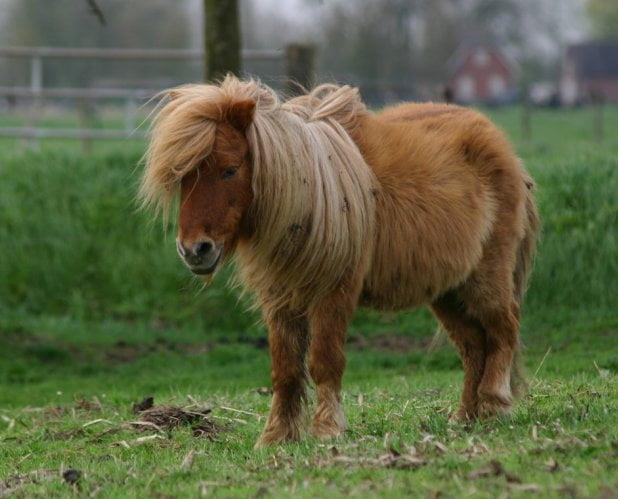
Both breeds grow dense winter coats. Shetlands in particular can look almost round in winter under a thick double coat that sheds out as the weather warms.1
Highlands tend to carry a heavy mane and tail and a substantial winter coat, suited to exposed climates.3
Colours
- Shetland Pony: Australian standards accept most colours, with exclusions depending on registry rules.1
- Highland Pony: commonly dun shades (often with a dorsal stripe and leg barring), plus grey, black, bay, brown, and occasional liver chestnut. Broken colours are not accepted in the UK breed description.3
Temperament and Day-to-Day Character
Temperament is always individual, but both breeds are typically hardy and sensible when handled well.
Shetland Pony
Shetlands are intelligent and quick to learn. They are often kind and steady with children, but their small size can hide a strong will, especially if they are overfed, underworked, or inconsistently handled. Many are happiest with clear routines and boundaries rather than constant negotiation.1
Highland Pony
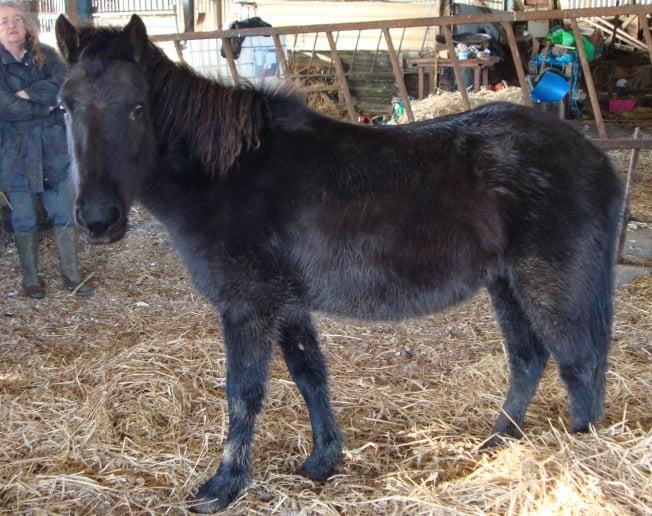
Highlands are generally described as calm, willing, and practical-minded, the sort of pony that keeps going in bad weather and does not fuss about rough footing. They are commonly used for riding and driving, and that steadiness is a big part of their appeal as family and trekking ponies.3, 5
Where Each Breed Fits Best
Shetland Pony: small body, wide range of jobs
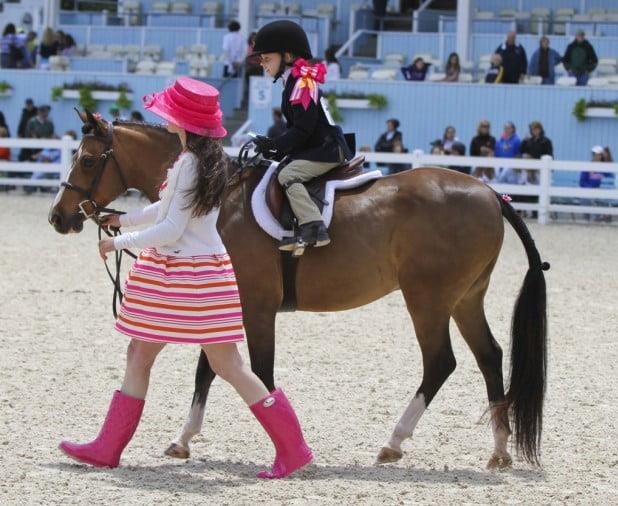
- Children's leadline and beginner riding, with careful supervision
- Driving and harness work
- In-hand showing
- Light farm and utility roles historically, including pit work in low coal seams2
Highland Pony: the do-anything bigger pony
- Adult riding and family riding
- Trekking, pleasure riding, and low-level sport, as suited to the individual pony
- Driving and working harness
- Packing and practical work in rough country, reflected in the breed description as a ride, drive, and pack animal3
Care and Management in Australia
Both breeds are good doers, and that is the point where many owners come unstuck.
Grazing and weight
In many Australian settings, improved pasture is far richer than what these ponies evolved to live on, so weight gain can arrive quickly and stay stubbornly. Obesity raises the risk of laminitis and other health problems. If you are choosing between these breeds for a paddock lifestyle, plan the management first, not later. Track systems, controlled grazing, low-sugar hay, and regular work often make the difference between a pony that stays sound and one that does not.
Hoof care and soundness
Both breeds are recognised for strong feet, but a tough breed still needs hoof care. Regular trims (or shoeing where needed), appropriate surfaces, and watching for early signs of laminitis are essential, particularly for easy-keeping ponies on rich feed.
Training approach
- Keep sessions short and clear. Both breeds learn quickly, including habits you did not mean to teach.
- Reward calm effort. Avoid drilling. Aim for steady repetition and good timing.
- Build fitness gradually. Highlands especially can look like they are coping well long before their tendons and topline are ready.
Coping with heat
Both breeds were developed for cool, windy climates, so hotter Australian regions call for practical support: shade, plenty of water, sensible work times, and careful monitoring during heatwaves. Their thick coats also make spring and summer management more hands-on, including timely grooming and, where appropriate, conservative clipping.
Showing and Breed Standards
If you are buying to show or to breed, use breed society standards as your baseline.
- Shetland Pony height (Australia): pure-bred not exceeding 10.2hh.1
- Highland Pony height (UK breed description): not to exceed 14.2hh (148 cm).3
- Highland Pony height (Australia): commonly referenced as 13hh to 14.2hh in local breed standards guidance, with ponies outside the range generally not eligible in Highland show classes.5
Conservation and Responsible Breeding
Conservation can mean different things depending on the registry and country, but the practical aim is the same: maintain genetic diversity and protect true-to-type ponies. In the UK, the Rare Breeds Survival Trust (RBST) maintains an annual Watchlist based on breed society data and genetic measures, used to guide conservation priorities for native breeds.6
If you are breeding, or buying a colt with breeding in mind, prioritise registration, soundness, and temperament over novelty colour or extremes of type. Crossbreeding may suit some riding goals, but it does not conserve a native breed.
The Bottom Line
Pick a Shetland if you need a truly small pony for children, driving, or in-hand showing, and you are prepared to manage feed carefully and train consistently. Pick a Highland if you want a substantial, adult-carrying pony with bone, stamina, and calm presence, still a good doer, still needing thoughtful grazing management, but sized for a very different role.
For beginners, either can suit when the individual pony is steady, well-handled, and appropriately trained. Size is the deciding factor: Shetlands are physically manageable for children, while Highlands are often a better fit for novice adults because they are sized to take an adult rider comfortably.1, 3 And on colour, no, Highlands are not always dun. Dun shades are common, but the breed description allows grey, brown, black, bay, and occasional liver chestnut, with broken colours not accepted in the UK breed description.3
References
- Australian Pony Stud Book Society, Shetland Pony (Standards of Excellence)
- Horse Journals, Pit Ponies: Ghosts of the Coal Mines
- Highland Pony Society, Breed Description
- PetMD, Highland Pony (breed overview)
- Highland Ponies Australia, Breed Standards and Characteristics
- Rare Breeds Survival Trust (RBST), Watchlist overview

Dog lover and writer at My Pets Australia, sharing practical breed guides and care advice for Australian pet owners.