Sea Monkeys as Pets
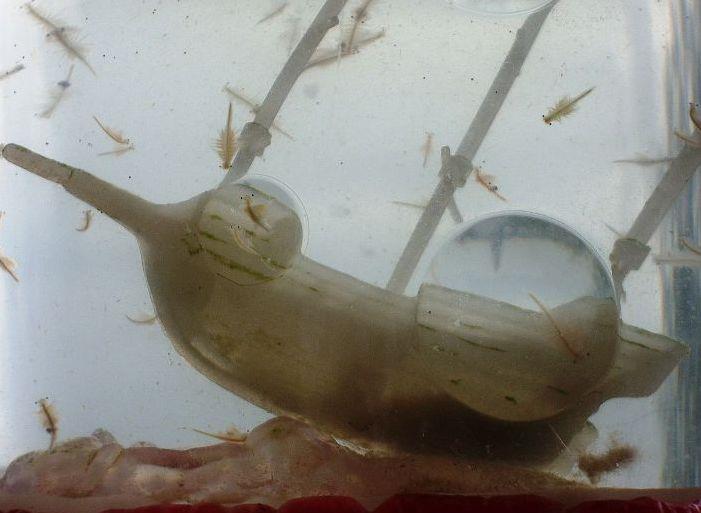
Sea-Monkeys are brine shrimp (genus Artemia) sold under a trademarked name, packaged as an "instant pet" kit that mixes the saltwater for you. They are one of the easiest aquatic animals to keep once the water is stable, cost very little, and reward the kind of person who would rather watch than handle. The catch is that everything happens on a tiny scale, so small mistakes show up fast. A little too much food, a temperature swing, or untreated tap water can tip the whole jar. Keep the water clean and steady and they largely look after themselves.
What Sea-Monkeys actually are
Sea-Monkeys is a marketing name for brine shrimp (genus Artemia) sold as a novelty pet, typically as dried eggs (cysts) packaged with a water-conditioning mix and food.1, 2 Brine shrimp are small crustaceans that naturally live in very salty inland waters such as salt lakes, brine pools and evaporation ponds, where the high salinity keeps most predators out.3
In the kits, the "instant" part comes from the eggs' ability to survive dry for long periods and then hatch once conditions are right. That is a genuine biological strategy, known as cryptobiosis or diapause, in brine shrimp eggs.4
Are they a good pet for you?
They suit people who want something small and observant rather than hands-on. A Sea-Monkey tank behaves more like a tiny, slow-moving tide pool than a pet you interact with directly.
- Space: a small container on a stable surface, away from harsh sun and heaters.
- Time: minutes per week once established.
- Noise and odour: none, provided the water stays clean and feeding is restrained.
- Good for kids: yes, with supervision. Most problems come from overfeeding and tipping the tank.
Setting up the tank
Follow your kit's instructions first, because the salt mix and food quantities are designed for that specific container. The general principles below help you avoid the crashes that catch people out in the first week.
1. Start with the right water
Use dechlorinated water. Tap water is commonly disinfected with chlorine or chloramine, which is excellent for people and pipes but not something you want in a tiny shrimp tank.5, 6 If you do not have a water conditioner, letting the water stand can reduce chlorine over time, but it does not reliably remove chloramine.
2. Keep the temperature steady
Sea-Monkeys do best at steady room temperatures. The official Sea-Monkeys guidance suggests roughly 21 to 26 degrees Celsius for day-to-day care, and around the mid-20s for faster hatching, with cooler water taking longer to hatch.7, 8 Avoid windowsills that cook in the afternoon and chill overnight.
3. Give them light, but not a hot sunbeam
Light helps, partly because it encourages harmless algae and other micro-life that brine shrimp can graze on. Bright, direct sun is risky because small volumes overheat quickly.7
Feeding: less than you think
Overfeeding is the quiet killer in small Sea-Monkey tanks. Excess food breaks down, fuels bacteria, and pushes the water towards a stale, oxygen-poor state. The colony can thin out over a few days and then seem to disappear.
- Feed tiny amounts and wait for the water to clear before adding more.
- If the water stays cloudy for hours, stop feeding and let the tank recover.
- In cooler weather their metabolism slows, so feeding usually needs to slow with it.
Routine care and water quality
Sea-Monkey kits are designed to run without complex equipment, but the biology does not change: oxygen and stable water chemistry matter. Gentle stirring, or the kit's aeration method, helps keep oxygen moving through the water and keeps fine food suspended where the shrimp can filter it.8
If you are running a larger, non-kit culture, brine shrimp husbandry guides typically hold the temperature around the low-to-mid 20s and emphasise aeration to maintain oxygen and stop food settling and rotting.9
Common problems and what usually fixes them
"They hatched, then vanished"
- Most likely: overfeeding, leading to poor water quality.
- Also common: temperature swings, especially near windows, or untreated tap water.
- What to do: stop feeding for a couple of days, keep the temperature steady, gently stir or aerate according to your kit, and avoid topping up with untreated water.
Cloudy or smelly water
- Most likely: too much food.
- What to do: pause feeding, keep the tank in stable light and temperature, and follow the kit's maintenance guidance. In small volumes, dramatic "fixes" often make things worse.
Slow hatch or no hatch
- Most likely: water too cool, or the setup water was not prepared as directed.
- What to do: bring the tank to a stable mid-20s range and wait. The Sea-Monkeys guidance notes that cooler temperatures can push hatching out to a week or more.8
Breeding and population swings
If conditions are steady, brine shrimp will reproduce and you will see cycles: a burst of tiny young, then a thinning as the tank reaches its food and oxygen limits. A stable colony comes from steady temperature, cautious feeding, and avoiding sudden changes.
Watching them without stressing them
They are not a handleable pet. Enjoy them the way you would watch a rock pool, from outside the tank, and avoid scooping them out. If you must move them, use a clean spoon or pipette gently and briefly, and return them to water of the same salinity and temperature.
How long do Sea-Monkeys live?
Lifespan varies with temperature, water quality and crowding. Many home colonies last months, and some run much longer with careful, steady maintenance. Reports and manufacturer materials commonly describe around a year as typical in good conditions, with the occasional longer-running colony.7, 10
References
- Encyclopaedia Britannica: Brine shrimp (Artemia), description, habitat, and facts
- Wikipedia: Sea-Monkeys (overview, history, and product description)
- Encyclopaedia Britannica: Brine shrimp, highly saline inland waters and feeding
- FAO: Artemia culture, water quality and oxygen and aeration considerations
- NHMRC: Australian Drinking Water Guidelines, Chlorine (general description and guideline value)
- NHMRC: Australian Drinking Water Guidelines, Monochloramine (use in reticulated supplies, typical concentrations)
- Sea-Monkeys USA: Day-to-day care (recommended temperature band and light notes)
- Sea-Monkeys USA: Temperature (hatching times by temperature and early stirring for oxygen)
- BrineShrimpDirect: Brine shrimp culturing guidelines (temperature range and aeration guidance)
- Newsweek: Sea-Monkeys, general lifespan ranges reported for pet brine shrimp

Dog lover and writer at My Pets Australia, sharing practical breed guides and care advice for Australian pet owners.