Pet Rocks - what we can learn from them.
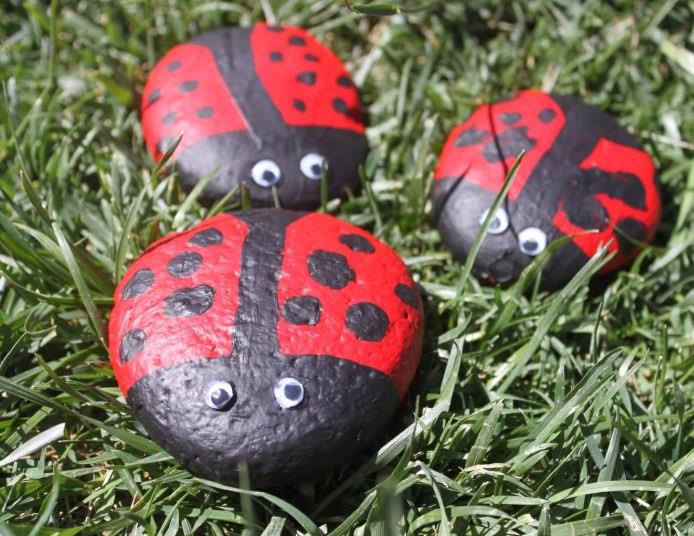
A pet rock is exactly what it sounds like: an ordinary stone treated as a small, no-maintenance companion. It started as a 1970s novelty and it has hung around ever since as a craft project, a classroom activity, and a bit of desk company that never needs feeding. The appeal is honest simplicity, since a rock asks nothing of you and cannot go wrong. It works best when you keep the story modest and do not pretend the rock is a living thing. Here is where the idea came from, why people grow fond of objects, and how to use a rock as a creativity or mindfulness prompt.
The Pet Rock: what it was and why it took off
The original Pet Rock was a 1975 novelty toy created by advertising executive Gary Dahl. It was an ordinary stone sold in a small cardboard "pet carrier" with ventilation holes and straw, plus a humorous instruction booklet.1, 2
It landed at the right moment, when people were ready for a joke about responsibility and convenience. Reports from the period and later summaries commonly put sales at around 1.3 to 1.5 million units during the initial run, with the peak of the fad lasting only months.1, 3 The success was never really about rocks. It came down to packaging, timing, and the quiet satisfaction of owning something that asked almost nothing of you.
Why people grow fond of an object
People are meaning-makers, and we form attachments to the things that reliably turn up in our day: places, songs, tools, toys. Psychology offers a few ideas here, though they are often oversimplified. One is projection, attributing something from our own inner world to something outside us.4 Another is transference, a clinical concept describing the way feelings from earlier relationships can be displaced onto a person in the present, often noticed in therapy.5
With a pet rock the explanation is usually more ordinary. A rock becomes a small anchor for attention, something you pick up when you are thinking or keep nearby so the desk feels less bare. The attachment is real, but it is built from routine and story, not from the rock giving anything back.
What a pet rock can and cannot offer
A pet rock is not a substitute for an animal and it is not a lesson in animal welfare. What it can be is a safe object for play and practice, which suits kids who like rituals, collections, and imaginative worlds.
What it does well:
- Low-stakes responsibility practice: remembering where it "lives", keeping it clean, not losing it.
- Creativity: decorating, building a "habitat", making a tiny storybook or label.
- Conversation and humour: a shared joke that can take the edge off a tense day.
- A simple mindfulness cue: a physical reminder to pause and notice the present moment.6
Where people overreach:
- Calling it "companionship" in the literal sense: companionship implies mutual interaction. A rock can support a feeling of comfort through ritual, but it does not respond.
- Using it to teach "pet care" as if it maps onto animals: the basics of animal care are about welfare needs, meaning food, water, enrichment, and health. A rock does not model that.
A more accurate way to frame responsibility
If you want the activity to teach something real, keep it grounded. The responsibility is not caring for a pet. It is caring for an object and the small commitments you have chosen to attach to it. Simple, practical tasks a child can actually manage:
- Choose a safe spot where the rock will not be a trip hazard or get vacuumed up.
- Wash it with water, and a little mild soap if needed, then dry it well before decorating.
- Keep craft materials appropriate and supervised, especially small parts that could be a choking hazard for little kids.
- Make a "home base", a small box or bowl, so it is easy to find and put away.
Using a pet rock as a mindfulness tool
Mindfulness is paying attention to what is happening right now, deliberately and without judgement. It is not about forcing calm. It is about noticing what is here.6 A pet rock suits this because it is steady, textured, and ordinary. It does not demand a reaction. It just sits there, like a small piece of landscape brought indoors.
A quick rock grounding exercise (1 to 2 minutes)
- Hold the rock in your hand, or rest your fingers on it.
- Notice three physical details (cool or warm, rough or smooth, heavy or light).
- Take three slow breaths, letting your attention return to the rock each time the mind wanders.7
- Look up and name one thing you can see and one sound you can hear.
If mindfulness brings up distressing thoughts or feelings, especially for children, do it with a trusted adult or an experienced practitioner, and keep it brief and gentle.8
The imagination factor
Imagination is the whole point, and a pet rock invites storytelling precisely because it is a blank surface for attention. You can build a tiny field guide entry, invent a habitat, or give it a name that makes you smile. It helps to keep one foot in reality:
- Say "let's pretend" when you are describing what the rock "does".
- Describe behaviour as a story, not as a fact about the rock.
- Let the rock stay quiet. That quiet is part of its charm.
Make your own pet rock
If you are making one at home or in a classroom, aim for materials that will not flake, smear, or create sharp edges.
- Choose the rock: palm-sized, stable, not crumbly. Avoid stones that shed grit.
- Clean it: wash and dry thoroughly so paint adheres.
- Decorate: acrylic paint pens work well, and allow proper drying time.
- Seal (optional): a clear craft sealer helps if it will be handled a lot. Use it in a ventilated area and follow the label.
- Give it a "home": a small box, bowl, or tray to stop it wandering.
The Bottom Line
The Pet Rock started as a well-timed joke with sharp packaging and a straight face.1, 2 What has lasted is gentler: a small, touchable object that can carry a story, a craft session, or a quiet pause in the day. Keep the claims modest and the rituals simple, and a rock earns its place on the shelf, still as stone but doing useful work in the background.
References
- Pet Rock (background, packaging, timeline and reported sales)
- Gary Dahl (biographical details and Pet Rock development)
- Investopedia: Five Famous Collectibles That Inspired Fads (Pet Rock summary and sales estimates)
- Encyclopaedia Britannica: Psychological projection (definition and explanation)
- JAMA Psychiatry: "An Exceptional Transference in Psychotherapy" (clinical definition of transference)
- healthdirect (Australia): Mindfulness (definition and general benefits)
- Victorian Public Sector Commission: Mindfulness and guided meditation (present-moment attention and non-judgement)
- Raising Children Network (Australia): Mindfulness for parents, kids and teens (everyday mindfulness and cautions)

Dog lover and writer at My Pets Australia, sharing practical breed guides and care advice for Australian pet owners.