Frogs as Pets
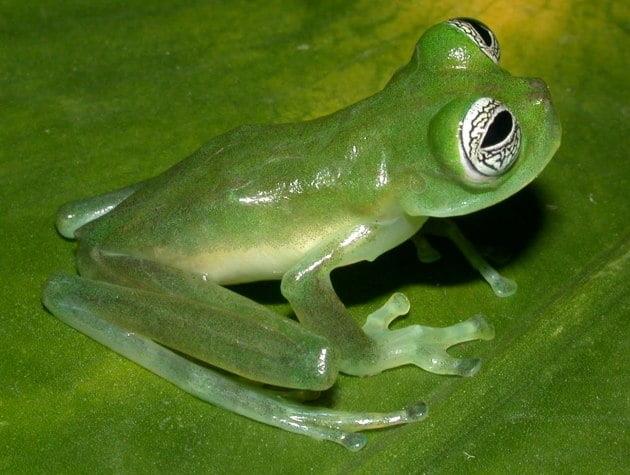
A frog is one of the quieter animals you can keep. It asks for very little attention, it rewards a well built enclosure, and a healthy one can be a small, steady presence for years or even decades depending on the species. The catch is that a frog does not complain when something is wrong. It simply stops eating, its skin dulls, and infections move in fast. Most of the real work happens before the frog arrives, in the enclosure, the food supply, and the paperwork.
In Australia, frogs are also a licensed animal rather than an over-the-counter pet. Native frogs are protected, rules vary by state and territory, and legal frogs come through licensed keepers rather than the wild. This guide covers how to choose a suitable species, build a stable enclosure, feed it properly, keep disease risk low including chytrid precautions, and stay on the right side of the licensing rules.
Quick Facts (and What Depends on Species)
Almost every number for frogs is species-specific, so treat these as ranges rather than targets.
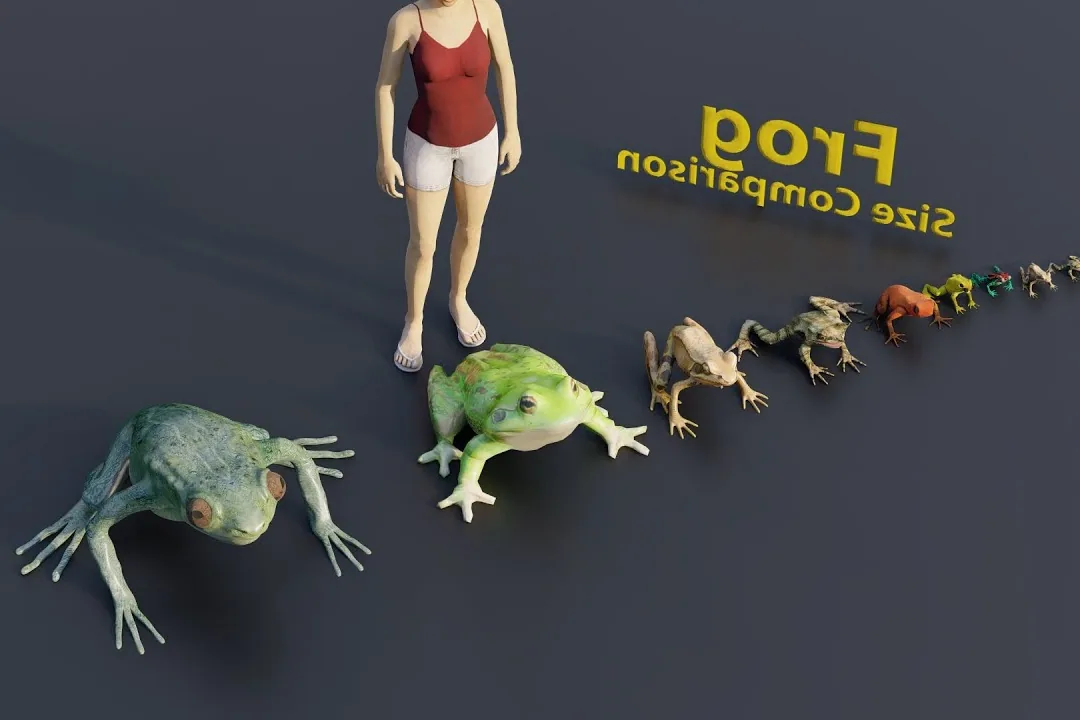
- Size: from a few centimetres to over 30 cm depending on species.
- Lifespan: some pet frogs live for years to decades with good care, and it varies widely by species.
- Diet: mostly live invertebrates, and many frogs will not take dead food readily.2
- Housing: a secure enclosure with hiding places, appropriate substrate, clean water and ventilation.
- Temperature and humidity: targets are species-specific, so avoid the idea that one number fits all.
- Handling: minimal. The skin is absorbent and easily damaged, and hygiene matters for both frog and human.7, 8
Choosing the Right Frog Species
A frog's needs are set by where it naturally lives: leaf litter, rainforest canopy, slow creeks, cool mountain bogs. When frog keeping goes wrong, the usual reason is an enclosure built for a different kind of frog. Work through these checks before you buy anything.

- Legal and ethical sourcing: keep only species you are allowed to keep in your state or territory, and only if they were legally obtained, which usually means captive-bred through licensed pathways. Never take frogs or tadpoles from the wild.1, 2, 6
- Adult size and enclosure footprint: a bigger frog is not just more frog. It needs more stable heating, more space and more waste management.
- Behaviour and habitat type: arboreal frogs want height and climbing structure, terrestrial frogs want floor space and deep, damp hides, and aquatic species need robust filtration and safe water quality.
- Access to food: if you cannot reliably buy or breed suitable feeder insects, do not buy the frog. Collecting insects outdoors can bring pesticides into the enclosure.2
- Realistic handling expectations: frogs are animals to observe, not to interact with. If you want a pet that enjoys frequent contact, a frog is the wrong match.7, 8
Setting Up a Stable Habitat
A frog enclosure works less like a cage and more like a small weather system. The goal is stability: consistent temperature, predictable humidity and clean water, day after day.
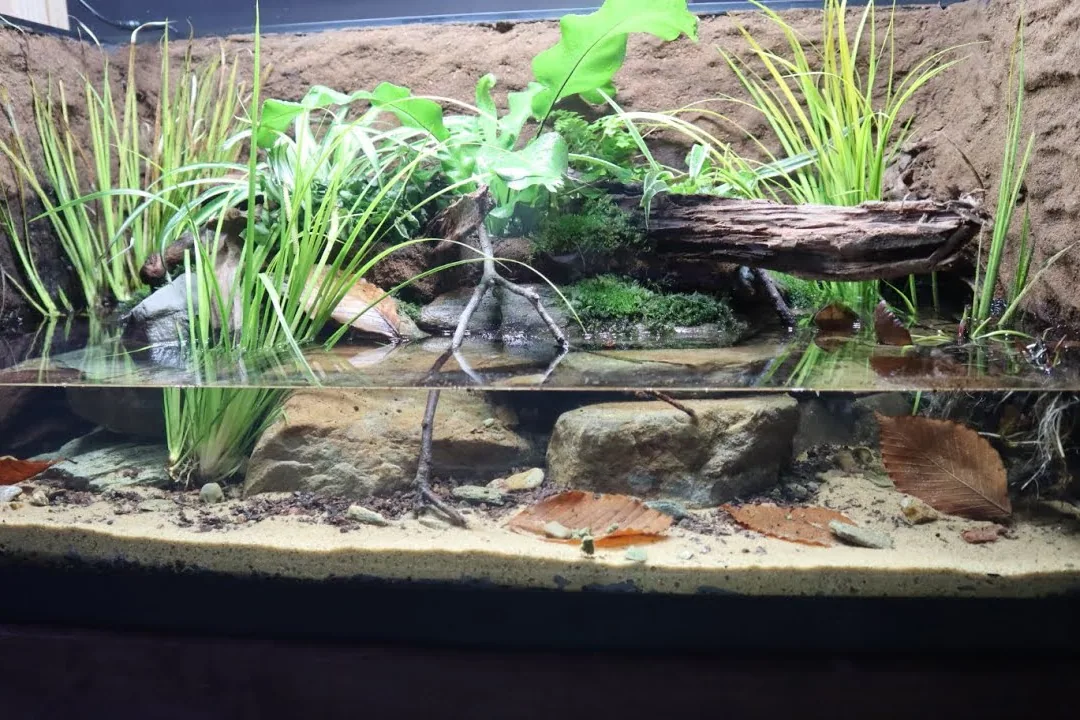
Enclosure basics
- Secure lid: frogs climb and squeeze through gaps, so a locking, escape-proof top is non-negotiable.
- Ventilation without drying out: good airflow prevents stagnant, mouldy conditions, but too much of it strips humidity quickly.
- Hides and cover: provide several hiding places so the frog can choose warm, cool, damp or dry shelter. A frog that cannot hide often stays stressed and exposed.
- Species-appropriate substrate: some setups suit damp leaf litter, others need simpler, easily cleaned surfaces. Avoid anything dusty, sharp or prone to moulding.
Temperature and humidity
Blanket ranges such as 22 to 28 degrees Celsius and 50 to 80 per cent humidity can be dangerously wrong for certain species. Aim for the conditions recommended for the exact species you keep, and measure them with reliable instruments. Sudden heat and dry air are common triggers for stress and skin trouble.8
Lighting and UVB
UVB needs vary between species and husbandry styles. Some frogs do well with low-level UVB and a natural day and night cycle, while others are kept successfully with carefully managed lighting and diet. If you use UVB, choose a quality fixture, provide shade options, and avoid overheating the enclosure.
Water quality
Frogs absorb water through their skin, so water quality is often the quiet problem. Chlorine, chloramine, soap residues and cleaning-product fumes can all be harmful. If you use tap water, treat it appropriately and rinse any equipment thoroughly before it goes back in the enclosure.2, 8
Feeding and Nutrition
Most pet frogs are insectivores that notice movement first. A feeding response that looks picky is usually just the frog's normal hunting trigger.
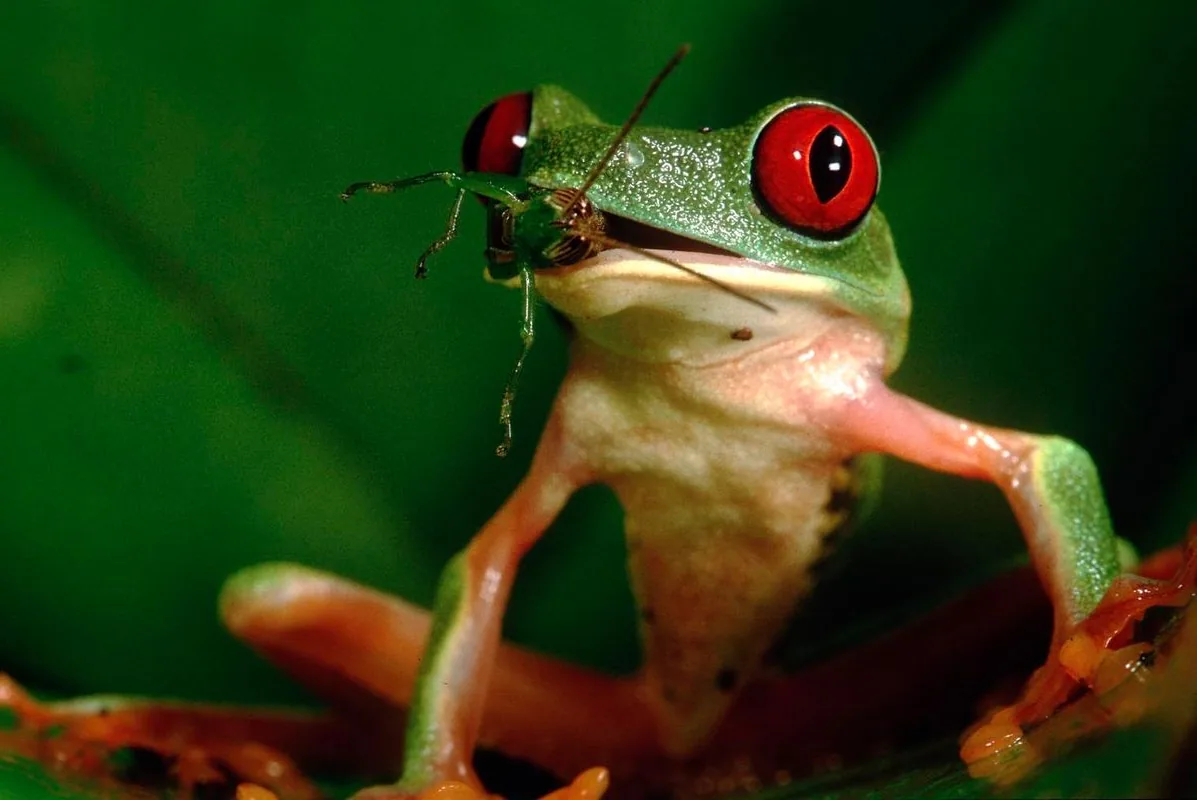
- Live invertebrates: common feeders include crickets and worms, in a size the frog can swallow safely.
- Variety: rotate feeders where practical rather than relying on a single insect long-term.
- Avoid contaminated insects: do not feed insects that may have been exposed to insecticides or garden chemicals.2, 8
Nutritional gaps are common in captive diets. A widely used approach is dusting feeder insects with a suitable vitamin and mineral supplement on a schedule that suits the species and life stage, since juveniles often need more support than adults.8
Hygiene and Disease Risk
Frogs live in constant contact with their own surfaces: skin against glass, damp substrate, water bowls. If bacteria or fungi build up, the frog cannot move away to fresh ground the way it would in the wild. Cleanliness here is a health measure, not just tidiness.
Cleaning routine
- Daily: remove faeces, uneaten insects and any mouldy material, and rinse and refresh water bowls as needed.
- Regular deeper clean: clean and disinfect enclosure items safely and rinse thoroughly, guided by veterinary or animal welfare advice. Avoid leaving toxic residue on anything that touches the frog or its water.3, 9
- Where to clean: do not clean tanks or frog equipment in kitchen food-prep areas. Dispose of wastewater down a toilet rather than sinks used for food and dishes.9, 10
Quarantine new frogs
If you keep more than one frog, quarantine new arrivals before introducing them to an existing enclosure. Disease spreads easily via shared water, nets, hands and substrate.7
Chytrid and other serious diseases
Australia has national hygiene guidance aimed at reducing the spread of frog diseases, including chytridiomycosis, caused by the amphibian chytrid fungus Batrachochytrium dendrobatidis. Biosecurity is not just for fieldwork, it matters for keepers too. Do not share equipment between enclosures without proper cleaning, and never release a captive frog into the environment.2, 4
Handling Your Frog
A frog's skin is not a tough outer coat. It is a living surface involved in breathing and water balance, and it readily absorbs residues from human hands. Frequent handling can also cause injury and stress, so keep it to a minimum.7, 8
- Keep it brief: handle only when necessary, such as health checks or moving the frog during cleaning.
- Use appropriate gloves: moistened, powder-free gloves, changed between enclosures to reduce contamination risk.7
- Support the body: do not squeeze, and keep the frog low over a soft surface in case it jumps.
- Wash your hands after: amphibians can carry germs such as Salmonella, so basic hygiene protects you and your household.8, 10
Common Mistakes to Avoid

- Buying first, researching later: husbandry is species-specific, and the wrong setup fails slowly.
- Using universal temperature and humidity targets: measure, adjust and follow species guidance rather than generic ranges.
- Over-handling: skin damage and stress are common outcomes.7, 8
- Feeding wild-caught insects from sprayed areas: pesticide exposure can be lethal to amphibians.2, 8
- Cleaning in the kitchen sink: it is a cross-contamination risk, so clean outdoors where possible and dispose of wastewater appropriately.9, 10
- Releasing unwanted frogs: this harms the frog and risks local wildlife populations and disease spread.2, 4
Legal Considerations in Australia
Rules vary by state and territory, and they change. The safest approach is to check your local wildlife authority before you buy anything.
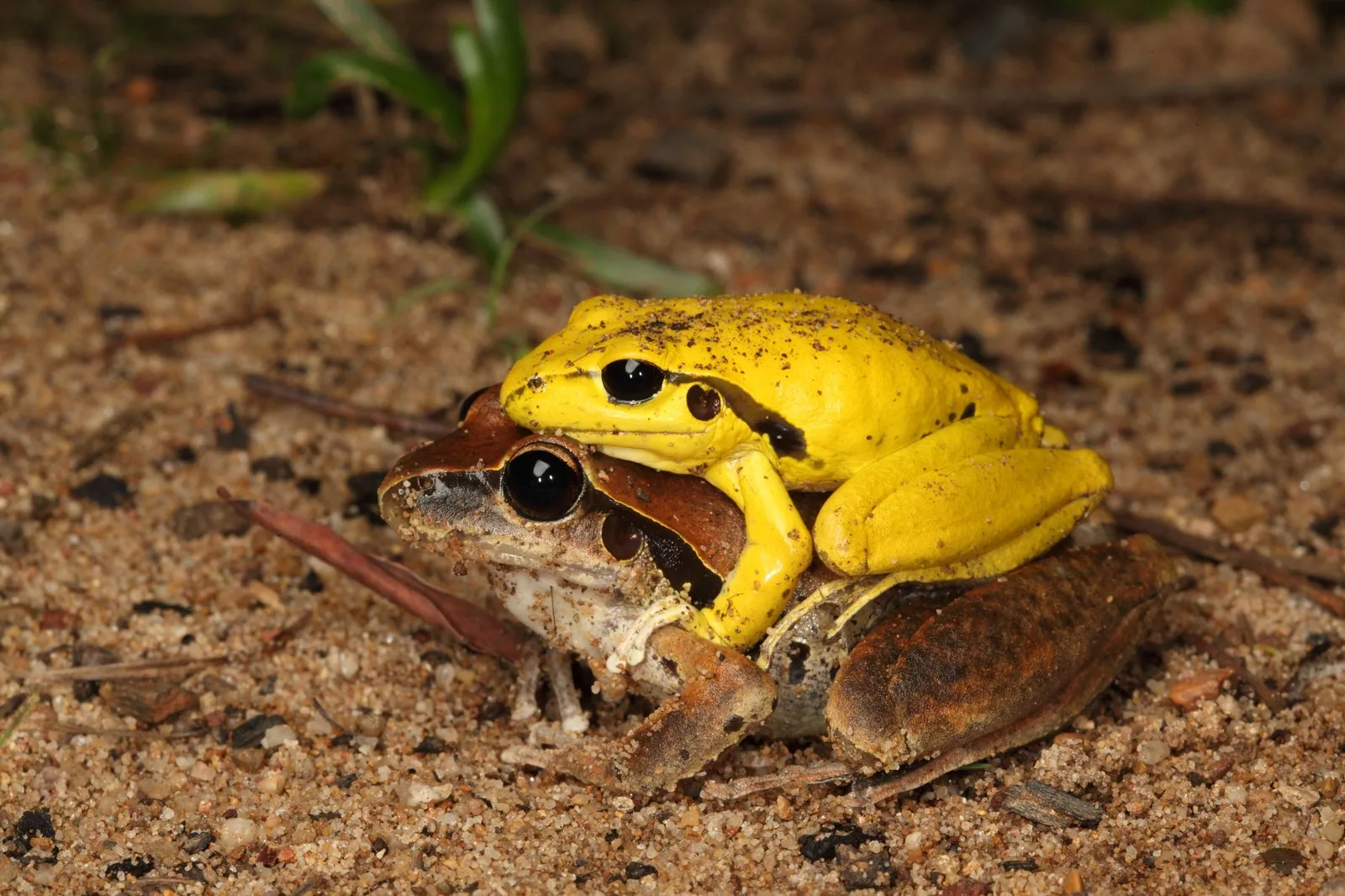
- New South Wales: native frogs are protected. Keeping one as a pet requires the appropriate biodiversity conservation licence, and pet shops are not allowed to trade frogs and tadpoles in NSW. Frogs must be obtained through licensed keepers and legal channels.1, 2
- Queensland: a licensing framework applies to keeping protected native animals, including amphibians, with the licence type depending on species and numbers. Only buy from licensed sellers and follow the relevant codes of practice.5, 6
The Bottom Line
A well-kept frog is usually quiet and still, tucked into a familiar hide while the enclosure hums along around it. Most of the effort comes up front: choosing a suitable species, setting up stable conditions, and sorting out food, hygiene and the legal paperwork. Get that right and you have a small, steady animal that thrives on routine rather than attention.
References
- NSW Environment & Heritage: Frog keeper licences
- NSW Environment & Heritage: Buying and caring for frogs and tadpoles
- Agriculture Victoria: Code of Practice for the Welfare of Amphibians in Captivity
- DCCEEW: Hygiene protocols for the control of diseases in Australian frogs
- Queensland Government: Native animal keeping licence (permit summary)
- Queensland Government: Keeping native animals (buy from licensed sellers)
- Merck Veterinary Manual: Clinical techniques in amphibians (safe handling)
- Agriculture Victoria: Caring for your pet amphibian
- CDC: Reptiles and amphibians (habitat cleaning and hygiene)
- FDA: So you think you want a pet reptile or amphibian? (safe cleaning and handwashing)

Dog lover and writer at My Pets Australia, sharing practical breed guides and care advice for Australian pet owners.