Scottish Terriers: A Comprehensive Guide to the Beloved Breed
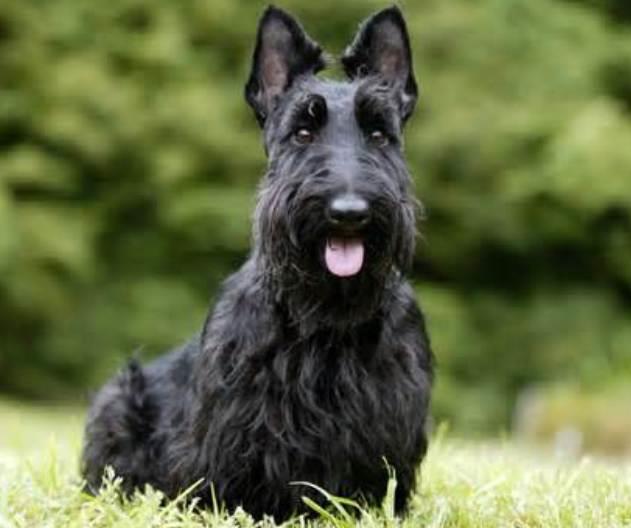
The Scottish Terrier is a small, short-legged dog with a long head, a wiry black or brindle coat, and the beard and eyebrows that give it that unmistakable Scottie outline. It is bold, dignified and quietly devoted, the kind of dog that keeps track of the whole household from a favourite spot without demanding constant attention. It fits an apartment, which is part of the appeal. It is not, however, a "small and easy" dog: the breed is independent, strongly terrier-minded and particular about handling, so the training, socialisation and coat care you put in early shape the dog you live with for years.
History and Origin
Scottish Terriers were bred in Scotland as tough little hunters and ratters, built to work through scrub and burrows on farms and estates.3 The job explains the dog. Once a Scottie disappeared underground after vermin, it had to make its own decisions with no hand signals and no second chances, which is why the breed still tends to think first and comply second. In Australia the breed is well established, with Dogs Australia noting that Scottish Terriers were first imported into the country in 1889.3
Appearance and Physical Characteristics
The classic Scottie is compact and low to the ground, with a long head, erect ears, and the familiar beard and eyebrows framing the eyes.1 The double coat is practical rather than fluffy: a harsh, wiry outer coat over a soft undercoat, weather-resistant and dense, designed for brambles, dirt and cold air.1 The harsh outer texture is part of the breed's function and look. If you keep a Scottie in a short pet trim done with clippers, the coat can turn softer over time, while hand-stripping by a skilled groomer keeps the wiry texture, though not every household needs or wants that level of coat work.
- Size: Small, thick-set and short-legged1
- Height: 25 to 28 cm at the withers1
- Weight: 8.5 to 10.5 kg (typical breed-standard range)1
- Coat: Close-lying double coat, harsh wiry outer coat with a soft undercoat1
- Colours: Black, brindle or wheaten1
Temperament and Personality
In the house, a Scottie moves like a small, watchful animal with its own opinions. Breed standards describe it as loyal and faithful, dignified, independent and reserved, and "bold, but never aggressive".1 That independence can read as stubbornness, and it can also read as calm: a dog that does not constantly seek attention but keeps an eye on everything. In everyday life it usually means a strong bond with family, sometimes with one person in particular, wariness with strangers until proper introductions are made, and a tendency to chase small moving things, which is classic terrier behaviour.3
Is a Scottish Terrier Right for You?
A Scottie suits people who enjoy a dog that feels like a small, self-possessed creature: alert, durable and quietly devoted rather than eager to please. If you want a biddable dog that repeats drills for the fun of it, this is not the breed. It can work well in family life, particularly with older children who can read a dog's signals and avoid rough handling. With very young children close supervision matters, because Scotties are not typically tolerant of being poked, hugged tightly or surprised while resting. With other animals, early introductions help, but a strong prey drive is normal, so small pets such as rabbits, guinea pigs and birds should always be managed carefully and never assumed safe just because the dog seems calm.
Training and Exercise
Scotties do best with calm, consistent training and clear boundaries. They are bright and observant, but not especially interested in repeating exercises just to please you, so short sessions, good timing and rewards that actually matter to the dog work far better than heavy-handed corrections. Early, steady socialisation helps a Scottie stay composed around visitors, other dogs and busy public places, so aim for lots of small, positive exposures rather than a few overwhelming ones. Most Scottish Terriers are not endurance athletes, but they do need daily movement and time to sniff and explore, and many households find a brisk walk plus some play and nose-work at home is enough for a settled adult dog.
Health and Lifespan
Scottish Terriers often live around 10 to 14 years, though individual dogs vary.2 The breed is generally sturdy, but a few conditions are worth understanding early, because they affect how you choose a breeder and what you watch for across the dog's life. Scotty cramp is a hereditary neuromuscular disorder seen in the breed, where episodes can be triggered by exercise or excitement and may involve stiffness, arching of the back and an altered gait; the outlook is often good for mild cases, but repeated episodes in a young dog should be discussed with your vet.4 Scottish Terriers are also widely recognised as having an increased risk of transitional cell carcinoma (bladder cancer), so blood in the urine, straining, frequent urination or accidents in a previously house-trained dog should be checked promptly, since these signs can look like a simple urinary tract infection.5 Because Scotties are low-set and sturdy, keeping them lean matters, as extra weight adds strain on the joints and reduces comfort and stamina; your vet is the best guide for target weight and feeding amounts.
Grooming and Care
A Scottie's coat is built to resist weather, not to look tidy on its own, so regular grooming prevents matting in the softer undercoat and keeps the skin in good condition.1
- Brush and comb: a few times a week, paying attention to the furnishings on the legs, beard and skirt.
- Trim: every 6 to 10 weeks for most pet homes, more often if you prefer the classic outline.
- Ears, nails, teeth: small, regular checks beat occasional big battles.
Diet and Nutrition
Feed a complete and balanced diet suited to your dog's age and activity level. Scotties can be enthusiastic about treats, so it helps to measure meals and use part of the daily ration for training rewards rather than adding extra on top. If your dog has itchy skin, recurrent ear infections or persistent digestive upsets, speak with your vet before switching foods repeatedly, because skin and gut signs can have several causes and a structured plan tends to get better answers.
A Few Things Worth Knowing
- The breed has a long public profile. One of the best-known Scotties was Fala, owned by US President Franklin D. Roosevelt, who became famous in his own right during Roosevelt's presidency.6
- A short clipper trim keeps grooming simple but softens the coat, while hand-stripping keeps the traditional wiry texture.
- The independent streak is not a training failure. It is the working instinct the breed was built around.
The Bottom Line
A Scottish Terrier is at its best with people who enjoy a dog that is alert, durable and quietly devoted rather than eager to please. It fits small homes, it does not need to run marathons, and it will bond closely with its family. It is also a real commitment: steady training, early socialisation, ongoing coat care, and attention to a couple of genuine health risks. If that suits you, the Scottie can be a remarkably satisfying companion.1
References
- Dogs Australia (ANKC), Scottish Terrier breed standard
- Burke's Backyard, Scottish Terriers (overview, size, lifespan)
- Dogs Australia, Scottish Terrier (breed overview and Australian import history)
- PetMD, Muscle cramps in Scottish Terriers ("Scotty cramp")
- VCA Hospitals, Transitional cell carcinoma of the urinary bladder in dogs
- Franklin D. Roosevelt Presidential Library & Museum, Fala (Roosevelt's Scottish Terrier)

Dog lover and writer at My Pets Australia, sharing practical breed guides and care advice for Australian pet owners.