Schipperke
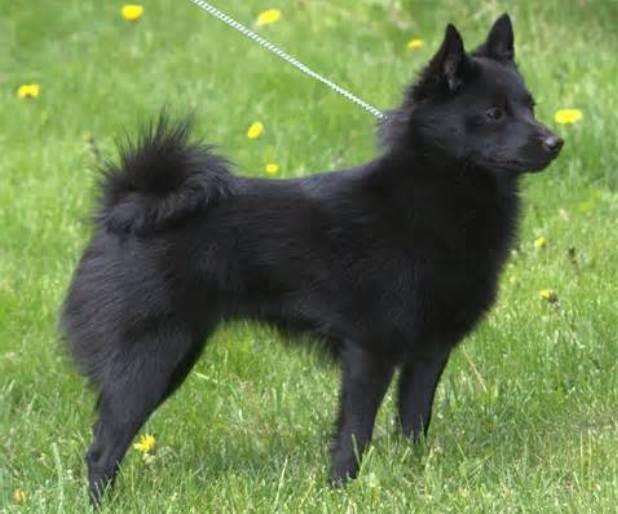
The Schipperke is a small black Belgian dog with a fox-like face, pricked ears and a coat that puffs out into a mane around the neck. It was bred to guard boats and canal properties and to kill rats, and it still behaves like a working dog: alert, quick, curious and rarely off duty. People are drawn to it as a compact watchdog that suits a unit or a smaller home, and in the right household it delivers exactly that. It is also a loud, busy, independent little dog that needs its brain kept occupied. This guide covers what is genuinely typical for the breed, and what is just marketing.
History and Origin
The Schipperke developed in Belgium as a small working dog. It earned its keep as a sharp-eyed property guardian and a determined ratter, and it was widely kept on boats and around canals, which is where the enduring "little skipper" or "little captain" story comes from. Modern breed standards describe the same practical animal: compact, agile, weather-resistant and always watching, even when the only job on offer is noticing everything that moves. 1, 2, 3
Appearance and Physical Characteristics
This is a small, square, sturdy spitz-type dog with a fox-like head and upright ears. The coat is the signature feature. It sits shorter on the head and legs, then builds into a mane-like ruff around the neck and longer feathering over the back of the thighs, known as the "culottes". 3 Most dogs stand around the low-30 cm mark at the withers and weigh roughly 5.5 to 7.5 kg in many kennel-club standards, with some individuals lighter or heavier. 1, 2
Colour is a common point of confusion. Internationally the Schipperke is usually described as black. Some standards, including Dogs Australia, also allow other solid colours, though these are uncommon in Australia. 1, 2, 3
Temperament and Personality
Living with a Schipperke means living with a dog that watches everything. Many track the household's movements closely, pick up new sounds fast, and use their voice as an alarm. That makes them good watchdogs, but it can be a real problem within earshot of close neighbours unless you actively teach calm behaviour. They are also independent-minded, so training goes best when it is brief, regular and rewarding, with clear boundaries that do not shift from day to day. With children and other pets, outcomes depend on the individual dog, early socialisation and supervision. They are small but quick, and they play with intensity.
Is a Schipperke Right for You?
For a lot of households, honestly, this is more dog than expected. They thrive in smaller homes when their minds are kept busy and their routines are steady, but the risk in tight living is not floor space. It is boredom, noise complaints and a dog that starts patrolling the world from the windowsill. Run through these checks before you commit.
- Can you manage barking? Plan for training and for neighbour-friendly routines.
- Is your yard genuinely secure? Dogs should be confined to the property unless under effective control, with fencing they cannot get over, under or through. 5
- Do you have time for daily engagement? Not just walks, but short training and enrichment as well.
- Are you prepared to prevent roaming? Roaming dogs are more likely to be injured, lost or involved in incidents, and confinement is a legal expectation in many places. 4, 5
- Is your dog microchipped with current details? It is one of the simplest ways to get a lost dog home. 10
Training and Exercise
Schipperkes are built to stay busy. Most do best with daily walks plus short bursts of brain work, such as training games, scent games, food puzzles or learning a new cue, rather than one long session that drags on. A short dog with a big engine gets bored long before it gets tired.
- Early socialisation: calm exposure to people, dogs, noises, surfaces and handling of ears, paws and brushing.
- Reward-based training: fast feedback, small treats and short sessions suit their attention span.
- Noise habits: teach a "quiet" cue and reward checking in with you before barking becomes the default.
- Secure boundaries: curiosity is part of the package, so good management stops them rehearsing escape habits.
Health and Lifespan
Most Schipperkes live active lives well into the early-to-mid teens, with variation by individual and care. 7 Like all breeds they carry patterns of risk, so the practical approach is to choose a breeder or rescue who can explain what they screen for, then keep up regular vet checks so small issues do not become chronic ones.
- MPS IIIB (mucopolysaccharidosis type IIIB): a serious inherited neurodegenerative disease identified in Schipperkes. Signs often appear around 2 to 4 years of age, and DNA testing exists to guide breeding decisions. 6, 8
- Hip dysplasia and patellar (kneecap) issues: can occur in small breeds, and screening plus sensible body condition help reduce the impact over a lifetime.
- Eye disease including progressive retinal atrophy: PRA is a group of inherited retinal degenerations that ultimately lead to blindness. If you are buying a puppy, ask what eye testing is done in that line. 9
- Hypothyroidism: reported in the breed, with signs that can be subtle such as coat changes, lethargy and weight gain, worth discussing with your vet if they appear. 6
Obesity is not a breed trait, but small, clever dogs can become overweight quickly if food is generous and exercise is patchy. Keeping a lean body condition is one of the simplest ways to protect joints and stamina over time.
Grooming and Care
The coat looks dramatic, but it is designed to be functional. For most of the year a thorough brush once or twice a week is enough to lift dead undercoat and keep the ruff and culottes tidy. Twice a year many Schipperkes "blow" their coat, and during those weeks daily brushing makes a noticeable difference to the hair around the house and to the dog's skin comfort.
- Brushing: focus on the neck ruff, behind the ears and the back of the thighs, where coat can pack down.
- Bathing: occasional and as needed, rinsing thoroughly so residue does not irritate the skin.
- Nails and teeth: keep nails short and teeth clean, because small dogs can develop dental disease quietly.
A Few Things Worth Knowing
- The "little skipper" nickname traces back to the breed's history working on Belgian boats and canals.
- Schipperkes and Schipperke crosses do turn up in rescue from time to time. Ask about barking, separation tolerance and behaviour around visitors, because those day-to-day patterns matter more than a tidy breed description.
- When you adopt, set the first fortnight aside for decompression: quiet routines, short walks, gentle training and a secure yard. Behaviour often settles once the dog feels safe and predictable rhythms return.
The Bottom Line
A Schipperke is small but rarely easy. They tend to be bright, alert and loyal, with a strong watchdog streak and a coat built for weather, and if you like a dog that notices everything and wants to be involved they can be a steady, entertaining companion for many years. If you want quiet, low-effort and unfussed, this is not the breed to gamble on.
References
- Dogs Australia (ANKC), Schipperke breed standard
- The Kennel Club (UK), Schipperke breed standard
- Fédération Cynologique Internationale (FCI), Schipperke standard (No. 83)
- Agriculture Victoria, Confine your dog (legal requirements and safety)
- Agriculture Victoria, Code of Practice for the Private Keeping of Dogs
- The Schipperke Club (UK), General health information (including MPS IIIB)
- Burke's Backyard, Schipperke breed profile
- Wisdom Panel, MPS IIIB (discovered in the Schipperke): signs, onset, inheritance
- Cornell University College of Veterinary Medicine, Progressive retinal atrophy (PRA)
- RSPCA Australia, Microchipping

Dog lover and writer at My Pets Australia, sharing practical breed guides and care advice for Australian pet owners.