Saarlooswolfhond
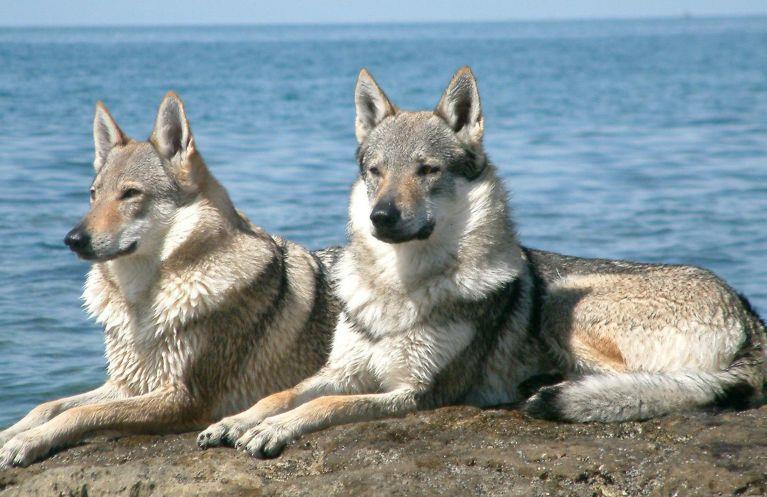
The Saarlooswolfhond, or Saarloos Wolfdog, is a striking wolf-like breed built for quiet companionship rather than showy obedience. Its appeal is obvious: a strong, balanced frame, long limbs, and an outline and gait that genuinely recall a wolf.1 What sets it apart from a good-looking working dog is its character, a natural reserve and a habit of withdrawing from anything unfamiliar, which shapes how you handle socialisation, visitors and busy public spaces.1 It is a rewarding dog for the right person, and a genuinely demanding one otherwise. One more thing to sort out before you fall for the look: because this is a wolf-derived breed, importing and keeping one in Australia can be restricted, so check the federal live-import rules and your state or territory authority before you commit.
History and Origin
The breed was developed in the Netherlands by Leendert Saarloos. In the 1930s he crossed a German Shepherd Dog with a wolf, then bred the offspring back into German Shepherd lines to try to produce dogs with more natural characteristics.1, 2 The modern breed is recognised internationally, and the FCI standard describes it as a companion and house dog rather than a working breed with formal trial requirements.1
Appearance and Physical Characteristics
The standard describes a strongly built dog with a balanced frame and long limbs, giving a wolf-like impression in outline and movement rather than a heavy, blocky build.1 The coat is a true double coat with seasonal changes. Colours commonly described include wolf-grey and brown ("bos"-brown), with lighter shading on the underside and inner limbs, and many dogs show a facial mask.1
- Height: males 65 to 75 cm, females 60 to 70 cm at the withers1
- Build: strongly built and balanced, with movement and outline reminiscent of a wolf1
- Coat: double coat with seasonal shedding, wolf-grey or brown with lighter underside1
- Typical lifespan: often around 10 to 12 years, though individuals vary, so ask breeders about longevity in their lines
Temperament and Personality
The Saarlooswolfhond is lively and energetic, but notably independent, and the breed standard is unusually blunt about it: this is not a reliably biddable, eager-to-please dog, and it can be reserved and somewhat suspicious with strangers.1 The trait that matters most in a suburban Australian setting is the breed's wish to flee in unfamiliar situations. That is not aggression. It more often looks like avoidance: backing away, slipping a collar, refusing to approach, or shutting down under pressure.1
In a family home, that usually means visitors get watched from a distance rather than greeted. Busy footpaths, cafes and off-lead dog areas can overwhelm the dog without careful, gradual exposure. Containment is not optional either, so good fencing, double-gate habits and secure walking gear all matter.
Is a Saarlooswolfhond Right for You?
For most people looking for an easygoing family dog, honestly, this is not the breed. In the right setting it can be a calm presence at the edge of family life, close to its people but not constantly seeking attention. In the wrong setting the same traits become exhausting: avoidance, escape behaviour, and a dog that finds ordinary suburban traffic and visitors too much.
Often a good match for:
- Experienced owners who enjoy steady, patient training and do not need a highly biddable dog.
- Homes with secure fencing and predictable routines.
- People who prefer quiet companionship over a dog that wants to greet everyone.
Often a poor match for:
- Busy households with constant visitors and lots of novelty, and little ability to give the dog space.
- Owners wanting a natural guard dog. Reserved and suspicious does not equal stable protection work, and fear-driven behaviour can become a welfare problem.
- Anyone without robust containment, including secure gates and reliable walking gear.
Training and Exercise
This is an active, athletic breed that needs daily movement and enough space to stretch out, plus calm mental work: pattern games, scent work, and short, repeatable training sessions that build confidence without flooding the dog with novelty.1 Because the breed defaults to avoidance when unsure, training goes best when it is consistent, low-drama and reward-based. Harsh corrections may suppress a behaviour in the moment, but they tend to deepen wariness and make handling harder over time.
Socialisation here is less about meeting lots of strangers and more about learning that new things can be observed at a distance without anything bad happening. The goal is a dog that can move through the world without panic or escape attempts, even if it stays naturally reserved.1
Health and Lifespan
No breed is healthy by default, and outcomes depend on genetics, breeding choices and lifelong management. If you are looking at a puppy, ask for evidence of health testing and a frank discussion of the issues seen in the breeder's lines. Hip dysplasia is a recognised problem across many medium-to-large breeds, so prioritise screened parents and transparent results. Epilepsy is also reported in some lines, and a responsible breeder should be able to talk clearly about any history of seizures in their dogs and close relatives.
Gastric dilatation-volvulus (GDV), often called bloat, is a life-threatening emergency seen more commonly in large, deep-chested dogs. Risk factors include eating quickly, large meals, exercising soon after eating, increasing age, and family history.3, 4 Practical steps many vets recommend include feeding several smaller meals, slowing down fast eaters, and avoiding hard exercise around mealtimes.3, 4
Grooming and Care
The coat is a true double coat and tends to shed seasonally. Weekly brushing suits many dogs for most of the year, with more frequent brushing during heavy sheds to prevent compacted undercoat and keep the dog comfortable.1 Home dental care is easy to overlook in large breeds because they may not show obvious discomfort early. Veterinary dental organisations recommend daily tooth brushing where possible, and something regularly if daily is not realistic.5
A Few Things Worth Knowing
If you decide the breed is right for you, start with breed clubs and established kennel bodies, then judge individual breeders on what they do, not what they claim. Ask to meet adult dogs, because adult temperament tells you far more than puppy cuteness.
- Temperament transparency: breeders should describe reserve and flight tendency clearly, not gloss it as "aloof".1
- Health testing evidence: ask what screening is done, and request documentation you can verify.
- Puppy raising: look for structured, low-pressure exposure to everyday life (sounds, surfaces, gentle handling), with a strong emphasis on choice and recovery time.
- Support: a good breeder stays involved, helps with early training plans, and will take a dog back if circumstances change.
The Bottom Line
The Saarlooswolfhond is distinctive not just in looks but in how it meets the world, with energy, independence and a guarded distance from strangers that is normal for the breed.1 If you are considering one in Australia, confirm you can legally import and keep it, then base the decision on temperament and management, secure containment, thoughtful socialisation and patient training, rather than the romance of a wolf-like outline. With those pieces in place, the breed can settle into family life with a quiet, steady presence.
References
- Fédération Cynologique Internationale (FCI) Standard No. 311: Saarlooswolfdog (Saarlooswolfhond) (English)
- United Kennel Club (UKC): Saarloosewolfdog breed standard (history and characteristics)
- Cornell University College of Veterinary Medicine: Gastric dilatation volvulus (GDV) / bloat
- American Animal Hospital Association (AAHA): Understanding canine bloat (GDV), a medical emergency
- Veterinary Oral Health Council (VOHC): Brushing (daily brushing recommendation and technique notes)

Dog lover and writer at My Pets Australia, sharing practical breed guides and care advice for Australian pet owners.