RHINELANDER and WURTTEMBERGER Horses
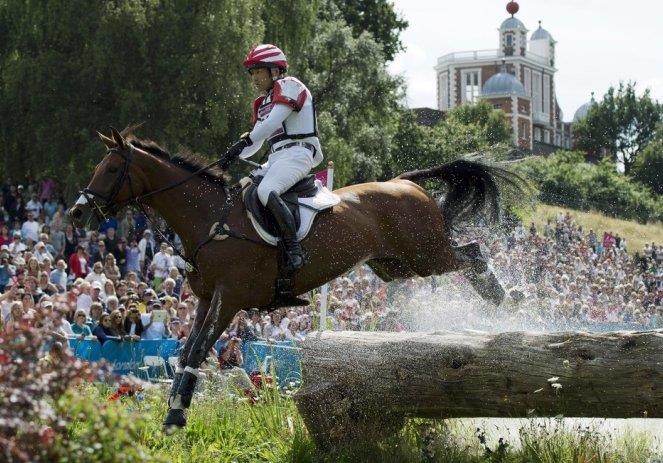
Rhinelanders and Württembergers are German warmblood sport horses, the kind of athletic, level-headed riding horse people look for when they want a dressage partner with an easy back, a careful jumper, or a sensible all-rounder that can cope with clinics, floats and a windy day without unravelling. Both are studbook horses, bred and selected for rideability rather than a single fixed look. The names get muddled online, Rhinelander, Rhenish Warmblood, Rheinisches Reitpferd on one side and Württemberger or Baden-Württemberger on the other, which is how you end up with conflicting height charts and "facts" that do not quite fit. This guide sorts out what the names really mean, where the horses come from, what they are bred for, and what to check on the paperwork. Both are legal to own in Australia and there is a local registry pathway for Rhineland horses.
Quick facts at a glance
- Origin: Germany1, 2
- Type: German warmblood sport horses, studbook-based rather than "closed" breeds in the way many pony breeds are1, 2
- Typical height: commonly around 160 to 170 cm (about 15.3 to 16.3 hh), with plenty of variation by bloodline and purpose1
- Common coat colours: bay, chestnut, black, grey1, 2
- Temperament (general): selected for rideability, trainable, steady-minded, athletic rather than hot1
- Main uses: dressage, showjumping, eventing, with some also seen in driving and pleasure riding1, 2
- Lifespan (typical horse range): many horses live into their mid-20s to around 30 with good care, though individuals vary widely8
What the names really mean
The two are distinct populations, not the same horse under two labels. Rhinelander usually refers to the Rheinisches Reitpferd (Rhineland Riding Horse), a German warmblood associated with the Rhineland region and managed as a studbook population, with management linked to the Hannoveraner Verband in recent years.1
Württemberger, also called Baden-Württemberger, is a German warmblood from Baden-Württemberg, historically connected with Marbach and a long-running regional breeding programme aimed at producing a modern riding horse.2
In practice both sit in the broad German warmblood world: horses bred for sport, shaped by performance testing and selective breeding rather than a single fixed look. One point worth correcting, since it circulates online, is that both are sometimes placed in Rhineland-Palatinate. The Rhinelander is tied to the Rhineland region and its studbook history, while the Württemberger comes from Baden-Württemberg in the south-west of Germany.1, 2 Both have been influenced by a mix of warmblood and refined bloodlines over time, which reflects what German sport-horse breeding does best: adjusting type and athletic ability to the demands of modern competition.1, 2
Appearance
Both look like modern sport horses, and up close they can be hard to tell apart. Rhinelanders are described as athletic, long-lined riding horses with a refined head, a good neck and withers, and gaits bred for sport. They are commonly bay, though chestnut, black and grey are also seen.1
Württembergers are modern warmblood riding horses, selectively bred for disciplines like dressage and showjumping. As with many German warmbloods, the emphasis is on correctness, movement, and a frame that can carry power without heaviness.2
Temperament and rideability
The most reliable thing to say about both types is that breeders select strongly for rideability, meaning horses that learn, accept training and stay workable in a busy environment. That does not mean every individual is quiet. Young warmbloods can be sharp, and bloodline choices matter, but the breeding aim is a horse that stays trainable as the work gets harder.1, 2
Breeding, registration and the paperwork
In the warmblood world, registration is handled by studbook organisations, the breed associations or verbands, each with a defined breeding programme. It is a myth that a single national body registers every horse in Germany, or that DNA testing is universally required before registration. The Rhineland Riding Horse is managed within a breeding programme published by the Hannoveraner Verband.1, 6 Württembergers are associated with the Horse Breeding Association of Baden-Württemberg, which is recognised in international sport-horse breeding circles.2, 6
When someone says "Rhinelander" or "Württemberger", these are the checks worth making:
- The studbook named on the papers: look for the issuing studbook and the horse's recorded breeding section or class, which matters for any future breeding plans.1, 2
- Parentage verification: many registries require genetic material or DNA on file for parentage verification as part of registration, though requirements vary by registry and circumstance.7
- Breeding goal: some lines lean dressage, others jumping. Let the horse's movement, jump and brain tell you what it is.
Uses in sport and beyond
Both are bred first as sport horses, and it shows in their usual job descriptions: dressage, showjumping and eventing, with individuals also used for adult riding club life, clinics, pleasure riding and some driving work depending on build and training.1, 2 Warmblood breeding is deeply tied to international sport performance, and studbooks are compared globally through results-based rankings.9
Training and care
These horses thrive on the same fundamentals as any good riding horse: steady handling, enough turnout to move and decompress, and training that builds strength before collection. Warmblood youngsters in particular do well on short sessions and clear repetition, since they are strong in body while still growing in mind.
- Start with sound basics: straightness, rhythm, brakes and steering before intensity.
- Protect joints and backs: avoid drilling big movement or repeated jumping while the horse is still developing.
- Keep the body comfortable: regular hoof care, dental checks, appropriate saddle fit, and a feeding plan that matches workload.
Health and lifespan
There is no single, universally cited disorder that defines either type, so "no known breed-specific health issues" is too absolute a claim to make. Any warmblood can be affected by the common equine problems, lameness, colic and dental issues, and by heritable conditions that appear in parts of the sport-horse population. The sensible approach is to treat health as individual and line-specific, and to rely on a proper pre-purchase examination rather than the label. With good care, many horses live into their mid-20s to around 30, with a lot of variation between individuals.8
Owning one in Australia
Clean popularity numbers are hard to state without a specific registry dataset, so treat any claim that these horses are "rare" here with caution. What can be said with confidence is that Rhineland horses have an Australian registry pathway via the Hanoverian Horse Society of Australia's breed standards and related studbook structures.1 If you are shopping locally, you will often meet these horses under broader labels such as "German warmblood" or simply "warmblood" rather than a daily-use breed name, even when the paperwork is precise.
A few things worth knowing
- Rhinelanders and Württembergers are distinct studbook populations with different regional origins, not two names for one breed.1, 2
- Height varies widely, so check the individual horse rather than trusting a single "breed height".1
- Carl Hester and Isabell Werth are sometimes listed as "famous Rhinelanders and Württembergers". They are riders, not horses. Famous horses exist within these studbooks, but naming them accurately depends on verified pedigrees, so it is better not to guess.
The bottom line
Rhinelanders and Württembergers are two closely related corners of German warmblood breeding, both selected for an athletic, trainable riding horse that holds up under real sport work. For an amateur rider, an older, educated horse chosen for temperament and rideability can be an excellent partner, but suitability comes down to the individual horse's training, soundness and sensitivity, not the name on the papers. Read the horse and the vet report before you read the label.
References
- Rhinelander horse (overview, history, characteristics)
- Württemberger (Baden-Württemberger) horse (overview, history)
- Hannoveraner Verband: Breeding Program of the Rhineland Riding Horse (PDF, 12 January 2024)
- Westphalian Studbook Association: St. Gallen "Next Generation" foal auction with Baden-Württemberg Breeding Association (6 February 2024)
- WBFSH: Membership list (includes recognised breeding associations such as Hannoveraner Verband and Pferdezuchtverband Baden-Württemberg)
- WBFSH: Studbook teams list (includes Pferdezuchtverband Baden-Württemberg)
- Fédération of Hannoveraner Associations (North America): Rules and regulations (parentage verification and genetic material requirements for registration)
- WebMD: Horse lifespan (average and influencing factors, reviewed 17 July 2025)
- WBFSH: Final studbook rankings 2025 (context for international sport-horse breeding and performance)

Dog lover and writer at My Pets Australia, sharing practical breed guides and care advice for Australian pet owners.