Reptiles as Pets: A Comprehensive Guide for Australian Enthusiasts
A reptile is a quiet, low-drama companion for people who would rather watch an animal than walk one. In Australia that usually means a native species: a blue-tongue skink, a bearded dragon, or a python from a licensed keeper. The appeal is real, and so is the fine print. Most reptiles ask for less of your day than a dog, but they are unforgiving about two things in particular: the right heat and light, and the right paperwork. Get either wrong and a healthy animal can slowly decline, or you can end up with an illegal animal and a lot of heartache.
Popular reptile pets in Australia
The reptiles most often kept by private keepers here are native species, especially skinks, dragons, and pythons. That is not a style preference. Exotic (non-Australian) reptiles are not allowed to be imported as pets and are generally illegal to keep.1, 2
Beginners tend to do best with hardy, well-understood species that cope with captivity once their basic environmental needs are met. Common starting points include:
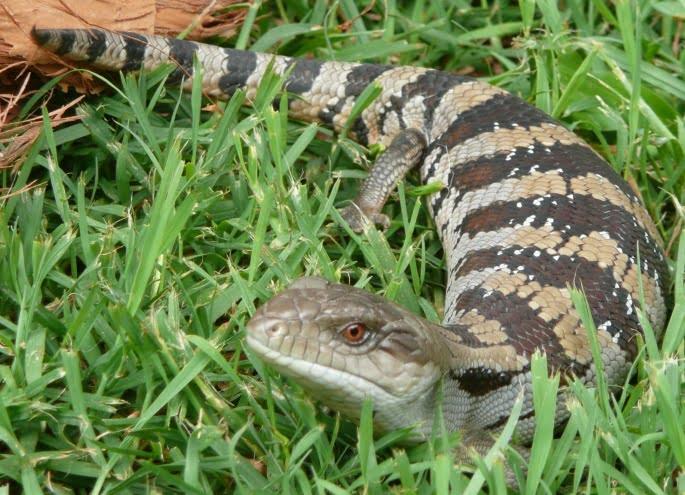
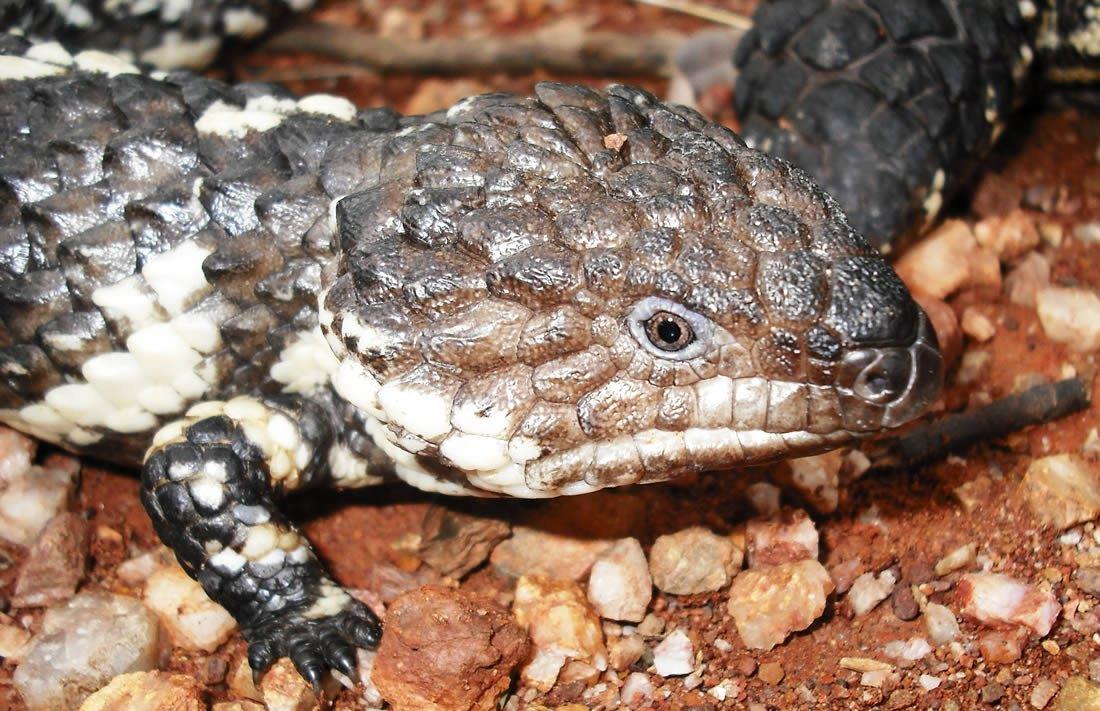
- Blue-tongue skinks (often called blue-tongue lizards)
- Bearded dragons
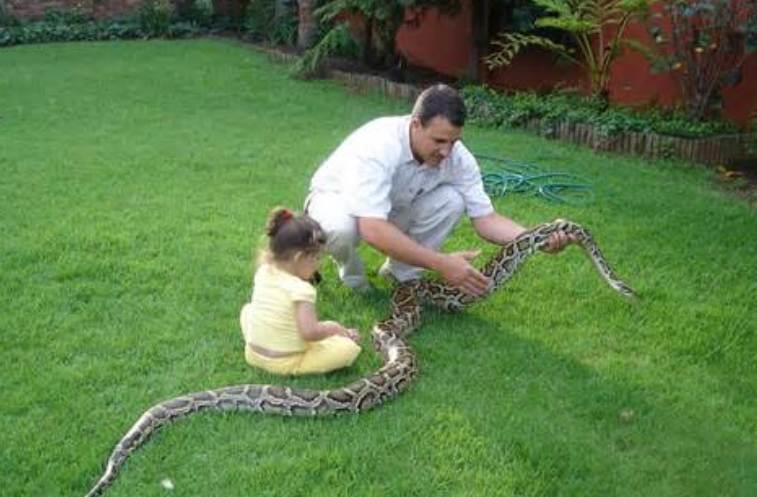
- Python species commonly available through licensed keepers, with species and availability varying by state and territory
Even within these groups, care differs by species, locality, age, and enclosure style. The animal in front of you matters more than the label on the shop card.
Licences, records and lawful sources
Rules are set by state and territory wildlife authorities. In most places you will need a keeper's licence or permit for native reptiles, and you will be expected to buy from a lawful source and keep records, including purchase details, transfers, and births or deaths where relevant.3, 4, 5
Requirements differ across the country. A few examples show the pattern:
- New South Wales: reptile keeper licences are class-based, with record keeping and conditions, and advanced classes require more controls for higher-risk reptiles.4
- Queensland: native animal keeping licences (standard, specialised, advanced) apply depending on what you keep, with applications and conditions handled through the Queensland Government licensing system.6
- Northern Territory: permits and proof of lawful purchase are part of the process, with timing requirements after purchase.5
If you are unsure, check your state or territory wildlife authority website before you buy the enclosure, let alone the animal.
What they are like to live with
Reptiles do not need walks, and many adults do not need daily feeding. What they need instead is steady, reliable husbandry: correct heat, correct UVB for the species that require it, clean water, and a secure enclosure. The care is less about constant attention and more about getting the environment right, then keeping it right.
An enclosure is a small landscape where you can watch thermoregulation, basking, hiding, and natural feeding play out. It is a different kind of companionship, closer to sharing space with a well-adapted animal than to training a pet to fit your day. It also has genuine educational value: heat gradients, light cycles, hygiene, and how subtle the signs of illness can be. For children, that can encourage calm handling, routine, and respect for wildlife, as long as adults keep the focus on the animal's needs rather than novelty.
What people underestimate
Habitat is not optional. Reptiles are ectothermic, so they rely on external heat to regulate body temperature. That makes you responsible for a safe temperature gradient, not just a warm cage.7
For many diurnal lizards, UVB lighting is central to long-term health because it supports vitamin D production and calcium metabolism. Without it, problems develop slowly and then become hard to reverse.7, 8 Enclosure security matters too. Escapes are common when lids, vents, and sliding doors are not properly secured, and for some species the licensing rules may require extra safety controls.4
Health issues can be quiet. Reptiles often show illness late, so by the time appetite drops or breathing looks a bit off, the underlying problem may already be advanced. Poor husbandry is a frequent root cause, especially when heat and UVB are mismatched to the species. Handling is a skill as well, not a given. Some reptiles tolerate it well, others stay easily stressed even when tame. Brief, gentle handling with full support of the body is safer than frequent contact, and a still animal is not necessarily enjoying itself. It may just be conserving energy.
Setting up the enclosure
The core equipment is straightforward, and getting it right is most of the job:
- A secure enclosure sized for the adult animal, not the baby you bring home
- A heat source that creates a basking area plus a cooler zone, giving a temperature gradient
- Thermometers, ideally digital probe types, so you are measuring rather than guessing
- UVB lighting for species that require it, which includes many popular pet lizards7, 8
- Hides and furnishings that let the animal choose shade, shelter, and basking position
Spot-cleaning, meaning removing faeces and leftover food, keeps the bacterial load down and helps you notice changes early. Schedule deeper cleans often enough that the enclosure stays dry, fresh, and odour-free, but avoid harsh chemicals or strong fumes that linger in an enclosed space.
Feeding and nutrition
Reptiles vary widely: some are insectivores, some are omnivores, and many snakes require whole prey. If you copy a diet from a different species, or from an overseas care sheet that assumes animals legal in other countries, you can end up with long-term deficiencies.
Do not try to fix poor lighting with supplements. Calcium and vitamin products are useful, but they do not replace correct UVB and heat where those are needed. In many lizards the three work together: heat supports digestion, UVB supports vitamin D production, and vitamin D supports calcium metabolism.7, 8
Veterinary care
Line up a reptile-experienced vet before there is a crisis, not during one. Seek advice if you notice:
- reduced appetite lasting more than a few days, outside normal seasonal patterns
- wheezing, bubbles from the nose, or open-mouth breathing
- weakness, tremors, a soft jaw, or difficulty moving, which can point to calcium or UVB problems
- persistent diarrhoea or very unusual droppings
- repeated retained shed, wounds, or swelling
Ask specifically whether the clinic regularly treats reptiles and what diagnostics they can run, such as radiographs, parasite tests, and blood work. It is worth locating a suitable clinic before you need one urgently.
Legal and ethical ownership
Australia's biosecurity settings are strict. Reptiles are not permitted to be imported as pets, and illegally imported animals and their offspring can trigger serious penalties under national law.1, 9 At the state level, introduced reptiles classed as prohibited are illegal to keep, with penalties applying. Queensland, for example, explicitly lists several prohibited reptiles such as ball pythons and boa constrictors.10
A few quick checks before money changes hands:
- Confirm the species is legal in your state or territory and that you can meet the permit or licence rules.3, 4
- Buy only from a lawful source and keep proof of purchase.5
- Ask what the animal is currently eating, what temperatures it is kept at, and what UVB it receives. Vague answers are a warning sign.
A few things worth knowing
- Bearded dragons change colour. They can shift tone and patterning, linked to temperature, light, health, and other environmental factors. It is not a reliable mood indicator, so treat sudden or persistent darkening as a prompt to double-check husbandry.
- The blue tongue is a display. Blue-tongue skinks may flash their vivid tongue as part of a defensive display, one of those brief moments that reminds you these are wild animals living beside us rather than domesticated ones.
The bottom line
A reptile can be a steady, fascinating presence, quiet and particular about its small patch of climate. If you enjoy careful setup, patient observation, and doing the same small tasks well, they can be deeply satisfying to keep. If you are hoping for an animal that thrives on constant handling, it is kinder to choose something else.
References
- Department of Agriculture, Fisheries and Forestry (Australia), Unique or exotic pets (biosecurity and import rules)
- Australian Museum, Reptiles as Pets (licensing overview and getting started)
- Service NSW, Apply for a native animal keeper licence
- NSW Environment and Heritage, Reptile keeper licences (classes, conditions, record keeping)
- Northern Territory Government, Keeping protected and prohibited wildlife (permits and proof of purchase)
- Queensland Government, Licences to keep native animals (native animal keeping licence types)
- Australian Museum, Reptiles as Pets (basic husbandry principles and common starter groups)
- ReptiFiles, Bearded dragon temperatures and UVB requirements (UVB and UVI gradient guidance)
- Australian Government (DCCEEW), Household pets (illegal imports and penalties)
- Queensland Government, Keeping exotic animals as pets in Queensland (prohibited reptiles list)

Dog lover and writer at My Pets Australia, sharing practical breed guides and care advice for Australian pet owners.