Rat Terrier
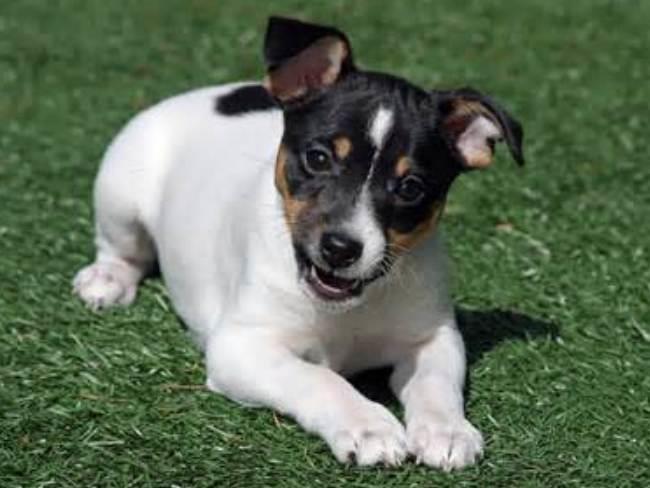
The Rat Terrier is an American-bred working terrier: compact, quick, and built for movement. People usually look at one when they want a small dog that keeps up with daily life without being fragile, a dog that is present, trainable, and happy on a weekend walk. They are bright and responsive, and they notice everything. They are also a genuine commitment for the next decade or more, so the details below cover what they are like to live with, what they need, and what to watch for.
History and Origin
The Rat Terrier developed in the United States as an all-purpose farm dog: small enough to live close to the house, hardy enough to work all day, and quick enough to hunt rats and other small pests. The breed's story is tied to rural life in the early 20th century, when efficient vermin control genuinely mattered.3
You will sometimes read that Rat Terriers were used by the military to detect land mines, or that President Theodore Roosevelt "preferred" the breed. These claims are hard to support with reliable breed histories and tend to get repeated online without solid evidence. What reputable sources do commonly note is that the name "Rat Terrier" is often said to have been coined during Roosevelt's era, which is a different thing from proving a personal connection or a formal wartime role.3
Appearance and Physical Characteristics
A Rat Terrier is a small, athletic terrier with a smooth coat and a body built for efficient movement. They look neat and purposeful rather than delicate, light on their feet, quick to turn, and able to go from stillness to full speed in a few strides.1
Conformation standards use two size divisions. Miniatures stand 25 to 33 cm (10 to 13 in) at the shoulder, and Standards stand 33 to 46 cm (13 to 18 in).1 Weight is not fixed as strictly, but healthy adults commonly sit somewhere around 4.5 to 11.3 kg (10 to 25 lb) depending on height and build.2 The coat is short, smooth, and easy to care for, usually a pied pattern of coloured patches with white.3
Temperament and Personality
Rat Terriers are typically alert, intelligent, and highly engaged with their surroundings. Many are affectionate with their people and want to be included in whatever is happening, especially if it involves movement, a toy, or a chance to use their nose.3, 4
They are still terriers. That shows up as persistence, quick reactions, and a strong interest in chasing small moving things. Channelled into training games, sport, and structured play, this makes them good company. Left with empty days, the same drive turns into noise and self-invented mischief.4
Is a Rat Terrier Right for You?
This is a busy little farm dog, not an ornamental lap dog. It suits people who enjoy interacting with their dog every day, not just providing food and a quick walk. When they have enough to do, they are lively, amusing companions. When they do not, they will find their own entertainment, and you may not like their choices.
If you are looking for a Rat Terrier in Australia, availability varies by state and by year, so take your time. Whether you choose a breeder or a rescue group, the aim is the same: a stable temperament, transparent health information, and a dog raised with thoughtful handling. Useful checks include:
- meeting at least one parent where possible, and watching how the dogs respond to strangers and everyday handling
- asking what health screening is done in that line, particularly orthopaedic and dental awareness plus any known breed-relevant concerns
- seeing the living environment: clean, calm, with puppies exposed to normal household sounds
- choosing a puppy or adult whose energy level matches your home, not just the boldest one in the room
Training and Exercise
These dogs learn quickly, especially with reward-based training. Keep sessions short, practical, and frequent. A Rat Terrier that understands the rules and gets regular chances to be active usually settles more easily indoors.4
Exercise needs vary with age and individual temperament, but most do best with daily activity plus mental work. Useful options include:
- brisk walks with time to sniff
- short training sessions (recall, loose lead walking, polite greetings)
- food puzzles and scent games at home
- dog sports that suit quick, agile bodies, for example agility or obedience-style work4
Early, steady socialisation matters. Aim for calm exposure to different people, surfaces, sounds, and other dogs, without flooding them. The goal is a dog that can observe the world without needing to take charge of it.
Health and Lifespan
Rat Terriers are often quoted a life expectancy of around 12 to 18 years.3 Like many small breeds, they can be prone to dental disease, and it is one of the easiest problems to underestimate. Plaque hardens into calculus (tartar), gums inflame, and over time teeth can loosen and be lost.5, 6
Orthopaedic issues are also worth keeping in mind. Small dogs can have a predisposition to kneecap instability (luxating patella), which may show up as an intermittent skip or a brief three-legged gait on a run before things look normal again.7
Allergies and skin irritation are commonly reported across many breeds and mixed-breed dogs, including Rat Terriers, and can range from mild itch to recurrent ear and skin infections. If itching, redness, ear odour, or recurring sores become a pattern, a vet-guided plan usually saves time and discomfort in the long run.4
A few simple habits help a lot:
- Dental care: daily toothbrushing is the gold standard for plaque control, and professional cleaning is sometimes needed because calculus cannot be brushed off once it hardens.5
- Weight management: keep them lean, since extra weight increases stress on joints and can worsen mobility issues over time.
- Routine checks: ask your vet to check knees, teeth, ears, and skin at regular visits.
Grooming and Care
The coat is straightforward: a quick brush now and then to lift dead hair, and an occasional bath when they are properly dirty. More important than coat care is the small-dog maintenance routine, with nails kept short, ears checked, and teeth handled often enough that brushing becomes normal rather than a wrestling match.6
A Few Things Worth Knowing
- They come in two recognised size divisions, Miniature and Standard, so "Rat Terrier" can mean quite different dogs.1
- At heart they are working terriers, built to hunt, investigate, and keep moving, and that drive does not switch off in a suburban home.
- Dental disease is the health issue owners most often underestimate, and it is largely preventable with routine care.5
The Bottom Line
A Rat Terrier is small, bright, and active, closer to a busy little farm dog than a lap dog. They can be a very good fit for people who enjoy training, movement, and a dog that stays engaged with the world. The main trade-offs are their need for daily stimulation and the usual small-dog commitments: dental care, sensible weight control, and keeping an eye on joints and skin if problems appear.3, 5, 7
References
- United Kennel Club (UKC), Rat Terrier Breed Standard
- American Kennel Club (AKC), Breed Weight Chart (Rat Terrier)
- Rat Terrier Club of America, About the Rat Terrier
- PetMD, Rat Terrier
- Merck Veterinary Manual (Professional), Periodontal Disease in Small Animals
- Merck Veterinary Manual (Pet Owner), Dental Disorders of Dogs
- VCA Animal Hospitals, Luxating Patella in Dogs
- Purina, Rat Terrier Dog Breed Information

Dog lover and writer at My Pets Australia, sharing practical breed guides and care advice for Australian pet owners.