Pyrenean Mountain Dog - Great Pyrenees
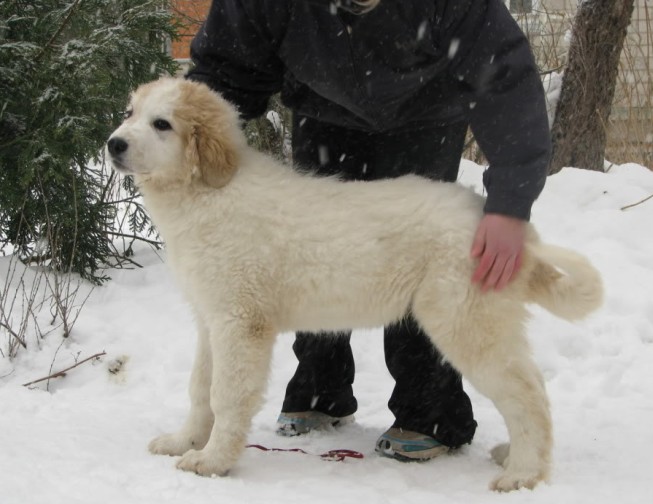
The Pyrenean Mountain Dog, better known in many countries as the Great Pyrenees, is a giant white livestock guardian bred to watch over flocks in the mountains between France and Spain. It is calm, affectionate with its own people, and genuinely impressive to have around, a dog that settles near the family and keeps a quiet eye on the edges of the property. It is not a herding dog. It was made to stay with animals, patrol boundaries and make its own decisions, which is exactly why it can be so rewarding and so much work at once. The size, the coat, the barking and the independent streak are all part of the same package, and knowing what they mean day to day is the difference between a well-settled guardian and a dog that takes over the house.1, 2
History and Origin
This breed has a long working history as a flock guardian in the Pyrenees, and it became fashionable in the French court in the 1600s.3 That heritage still shows up in three everyday traits: a watchful presence, an instinct to patrol boundaries, and a tendency to make up its own mind.2, 3 None of this was bred out when the dog moved from hillside to home paddock, so it helps to think of the Pyrenean as a worker first and a companion second.
Appearance and Physical Characteristics
These dogs are genuinely large, even when all that coat makes them look soft. The breed standard expects great size and strength without clumsiness, and it warns against dogs that look heavy because they carry excess fat rather than solid structure.1, 2
- Type: livestock guardian (working dog)2
- Height: males 70 to 80 cm, females 65 to 75 cm (breed standard)1
- Minimum weight (Australian breed standard): males 50 kg, females 40 kg, with weight in proportion to height and build1
- Colour: white, sometimes with patches or markings, including badger or wolf grey and other pale shades, on the head, ears and base of the tail, and occasionally the body1, 2
The coat is a thick double coat: a profuse undercoat under a longer outer coat that lies fairly flat, straight to slightly wavy. It was designed for cold, wet, rough country, not for tidy living rooms.1
Temperament and Personality
A well-bred Pyrenean Mountain Dog is confident, composed and affectionate with its people, while staying protective when it judges that protection is needed. Independence is part of the design, not a fault to train away. This is not a wait-for-permission sort of worker.2
In a family home that usually looks like a dog that settles near the action and keeps an eye on the edges, the front gate, the fence line, the far end of the yard, rather than constantly seeking games or praise. It also means barking. The breed is known for being vocal, especially when it hears or sees movement beyond the property line, which is less bad behaviour than an ancient job description: warn first, hold ground, keep scanning.2, 3 If you live close to neighbours, plan to manage this rather than hoping it will not happen.
Practical ways to reduce nuisance barking
- Bring the dog inside overnight, or provide a secure, quiet sleeping area away from the fence line.
- Block visual triggers where you can, with solid fencing or screening along high-traffic boundaries.9
- Teach a cue for quiet using reward-based training, then practise it when the dog is already calm.
- Do not park the dog outside for long stretches with nothing to do. Boredom and vigilance feed each other.
Is a Pyrenean Mountain Dog Right for You?
For a lot of households, honestly, this is not the right dog. It suits people who like a quiet, watchful companion, who have the space and fencing to manage a guardian instinct, and who do not mind a house that occasionally looks as though it has been dusted with white fluff. It is a poor match if you need a silent dog, want an always-obedient people pleaser, or cannot commit to early training and ongoing coat care.
Space helps but does not solve everything. A large block can simply give the dog a bigger perimeter to patrol. What helps most is a secure yard paired with a steady routine of walks, quiet time with the family, and boundaries that make sense.
Training and Exercise
Because adults are so strong, early training and careful socialisation matter more here than they do for many breeds. The goal is not a robotic obedience dog. It is a large guardian that walks on a loose lead, comes when it reasonably can, and can be handled safely for everyday care. Reward-based methods are widely recommended in welfare guidance because they build reliable behaviour without escalating fear or conflict, which matters with a dog already inclined to make its own decisions.6
Early skills worth prioritising
- Loose-lead walking before the dog reaches full strength
- Calm greetings, with no jumping or leaning
- Comfort with grooming and being examined, including ears, paws and mouth
- Reliable recall in low-distraction settings, plus a strong wait at doors and gates
Exercise tends to look more like purposeful walking than high-speed chasing. Many Pyreneans will happily do long, unhurried patrols and then sleep deeply, as long as their minds are settled and their environment feels predictable.
Health and Lifespan
With giant breeds, excess weight quickly becomes a joint and mobility problem. Australian veterinary research has found that a substantial proportion of dogs seen in practices are overweight or obese, which shows how easily gradual weight creep slips past owners.7 Keeping this dog lean is one of the most useful things you can do for its long-term comfort.
A simple check: you should be able to feel the ribs under a light covering, and the dog should have a visible waist when viewed from above. Your vet can help you assess body condition and set a feeding plan that matches your dog's build and activity.
Grooming and Care
The double coat is not decorative, it is a working coat, and it asks for real upkeep. Heat management is part of ownership too: provide shade and cool water, and on hot days exercise earlier or later and keep it gentle.
- Shedding is normal. Expect ongoing hair around the house, with heavier seasonal moults.
- Coat care matters. Regular brushing helps prevent mats, especially around the mane, feathering and trousers.
- Plan for the heat. Australian summers are hard on a dog built for cold, wet mountains, so watch for overheating.
Diet and Nutrition
Feeding follows on directly from the weight issue above. Match the amount to the dog's build and activity rather than the size of the bowl or the size of the dog, and use body condition, ribs you can feel and a visible waist, as your guide rather than a fixed cup measure. A vet can help you set and adjust portions as the dog grows and matures, which is worth doing with a breed where extra kilos land straight on the joints.7
A Few Things Worth Knowing
- It is a livestock guardian, not a herding dog. It stays with animals and watches rather than moving them.2
- The independence is deliberate. Expect a dog that assesses situations for itself.
- Vocalising is normal for the breed, so proximity to neighbours is a genuine planning factor.
- Secure fencing does double duty here, containing the dog and screening the triggers that set off barking.9
The Bottom Line
The Pyrenean Mountain Dog is a calm, loyal, deeply capable guardian for the right home. It is also a serious commitment: a giant dog with a heavy coat, a strong protective drive, a habit of barking at the boundary, and a mind of its own. Give it space, a secure yard, early training and steady care, and you get a settled companion. Skip those, and the size, coat and instinct will make daily life hard.
References
- Dogs Australia (ANKC), Pyrenean Mountain Dog breed standard
- Great Pyrenees Club of America, Great Pyrenees Official Standard
- Encyclopaedia Britannica, Great Pyrenees (Pyrenean mountain dog)
- Fédération Cynologique Internationale (FCI), Pyrenean Mountain Dog (breed information and standard publication details)
- FCI Standard No. 137 (English text), Pyrenean Mountain Dog
- RSPCA, What are the most effective training methods for dogs?
- The Veterinary Record (2005), Prevalence of obesity in dogs examined by Australian veterinary practices and risk factors
- Australian veterinary study (2010), Dog obesity: veterinary practices' and owners' opinions on cause and management
- RSPCA, What type of fencing is best for my dog?

Dog lover and writer at My Pets Australia, sharing practical breed guides and care advice for Australian pet owners.