Polish Lowland Sheepdog
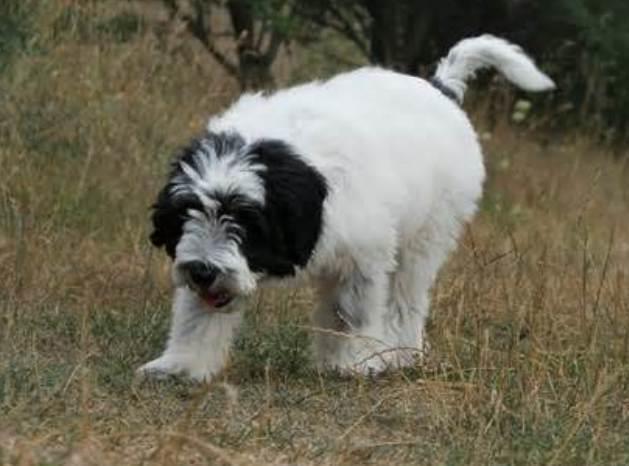
The Polish Lowland Sheepdog, often shortened to PON, is a shaggy, medium-sized herding dog that has spent centuries moving stock and keeping watch over farms. It is clever, alert, and genuinely bonded to its people, the kind of dog that notices everything happening around the home and stays close while it does. Given training, exercise, and regular grooming, it makes a steady and quick-learning companion. It is also a real commitment, because the same coat and watchdog drive that make the breed appealing will turn into problems if they are left unmanaged. This is a dog for owners who like routine, not a low-maintenance option.
Quick facts (at a glance)
- Height: Dogs 45 to 50 cm; bitches 42 to 47 cm at the withers1
- Build: Medium size, sturdy, rectangular outline; strong bone and muscle1
- Coat: Long, dense, shaggy outer coat with a soft undercoat; slight wave permissible1
- Colours: Many colours accepted; merle not acceptable under the Dogs Australia/Kennel Club standard used in Australia1
- Temperament (broadly): Alert, equable, watchful; bright with strong memory; typically trainable but can be independent1
- Common roles: Herding and watch dog; also kept as an active companion1
History and Origin
The Polish Lowland Sheepdog has been known in Poland since at least the 16th century as a herding type, bred to move stock and keep watch around flocks and farms.2 That working past still shapes the dog you meet today. In Australia, the breed standard published by Dogs Australia, the national kennel council body, is the practical reference point reflected in showing and responsible breeding programs here.1
Appearance and Physical Characteristics
Under all that hair, the Polish Lowland Sheepdog is compact, muscular, and built for steady work rather than sprinting. The outline is slightly longer than it is tall, with a strong topline and solid hindquarters.1 The hallmark is the coat: long and dense, with a harsh outer texture over a softer undercoat. Hair commonly falls forward over the eyes in the breed's characteristic way, though it should not block vision or limit movement.1
Temperament and Personality
A well-raised PON is watchful and self-controlled, aware of changes in its environment, quick to notice visitors, and inclined to keep track of what is happening around the home.1 Because this is a herding and watchdog breed, early socialisation matters. Some reserve around strangers is normal, but it should not tip into fearfulness or reactivity. Calm exposure to new people, places, surfaces, and handling of the ears, feet, and brushing helps set the adult dog up for steadier behaviour.1
The working instincts still show through in modern homes. You may see the dog positioning itself where it can watch doorways and yards, or using its body to influence where people and animals go. This is not a fault, it is heritage, and it responds well to clear boundaries and enough structured activity that the dog does not invent its own job.
Is a Polish Lowland Sheepdog Right for You?
Be honest about the routine before you commit. This breed suits homes that enjoy the daily rhythm of walking, training, and brushing done little and often. If you want a quiet, low-maintenance dog that grooms itself and entertains itself, this is probably not the breed for you. If you like the idea of a sturdy herding dog that stays close, notices everything, and learns fast when treated fairly, the match can be very rewarding.
When you are choosing a puppy or adult dog, the aim is predictable temperament, sound structure, and health screening that is visible on paper rather than just promised.
- Ask for evidence of health testing, commonly a hip evaluation and an eye examination by a veterinary ophthalmologist.4, 3
- Meet at least one parent if possible, and watch for steadiness: curious, calm, and able to recover quickly from surprises.
- Look at the coat and skin condition of the adult dogs, because good management is obvious up close.
- Be cautious with "rare colour" marketing. In Australia's breed standard, merle is not acceptable, and colour should never outrank health and temperament.1
Training and Exercise
This breed learns quickly, but it does not learn blindly. Expect moments of independence, especially if the dog thinks the job is done or if the training feels repetitive.1 Training that suits the PON usually has three features: short sessions, clear rules, and enough variety to stay interesting. Many owners find the dog thrives when it has regular tasks such as obedience foundations, scent games, trick training, or dog sports, rather than just a walk.1
Practical exercise guide
- Daily movement: a solid walk plus free running in a safe area when possible.
- Mental work: food puzzles, scent searches, or short training blocks most days.
- Herding behaviours: may show up as circling, nudging, or trying to control movement. Redirect these early into structured games and cues.
Grooming and Care
The coat is beautiful, but it is not a set-and-forget coat. If grooming slips, the dense undercoat and long outer hair can tighten into mats close to the skin, trapping moisture and debris and making the dog uncomfortable. A simple routine works better than occasional big sessions.
- Brush and comb: several times a week, more often during shedding, working down to the skin to prevent mats forming underneath the topcoat.
- Check friction zones: behind the ears, under the collar or harness, armpits, groin, and around the tail.
- Bathe only as needed: and dry thoroughly, because a damp undercoat is where problems start.
In Australia, it is also worth asking your groomer to show you a line-brushing technique suited to double coats, so you are not only smoothing the top layer.
Health and Lifespan
No breed is problem-free. For Polish Lowland Sheepdogs, the commonly discussed areas are hips and eyes, and reputable breeding programs often prioritise screening in both.3, 4
Hip dysplasia
Hip dysplasia is a developmental condition where the hip joint does not fit as it should, which can contribute to arthritis and reduced comfort over time. Screening programs such as hip scoring are widely used to reduce risk through breeding choices.3, 5
Eye disease
Inherited eye conditions are part of why ophthalmologist eye examinations are commonly recommended for breeding dogs, alongside hip evaluation.4 Progressive retinal atrophy (PRA) is a group of inherited retinal degenerations that can lead to blindness. DNA tests exist for some PRA variants, and eye screening remains important because not all problems are captured by a single test.6, 3
A Few Things Worth Knowing
- The name is often shortened to PON, from the Polish Owczarek Nizinny.
- The breed is prized for a strong memory, which helps training but also means bad habits stick.
- Merle is not acceptable under the standard used in Australia, so treat "rare colour" sales pitches with caution.1
- Herding instincts can surface as circling or nudging around the home, and are best redirected into games and cues.
The Bottom Line
The Polish Lowland Sheepdog is an active, observant companion with a working dog's memory and a coat that demands steady care. It rewards homes that enjoy routine and want a dog that stays close, notices everything, and learns fast when treated fairly. Give it training, exercise, and regular brushing, and you get a clever, loyal partner. Skip those, and the same strengths turn into noise, frustration, and a coat that becomes a constant problem.
References
- Dogs Australia (ANKC): Polish Lowland Sheepdog breed standard
- Canadian Kennel Club: Polish Lowland Sheepdog (history and breed overview)
- Polish Lowland Sheepdog Club (UK): PON health information and screening (hips/eyes)
- American Kennel Club: Recommended health tests (Polish Lowland Sheepdog)
- Cornell University Riney Canine Health Center: Hip dysplasia in dogs
- UC Davis Veterinary Genetics Laboratory: Polish Lowland Sheepdog (genetic testing information, including rcd4-PRA)
- The Kennel Club (UK): Polish Lowland Sheepdog breed standard
- WebMD: What to know about Polish Lowland Sheepdogs (health overview)

Dog lover and writer at My Pets Australia, sharing practical breed guides and care advice for Australian pet owners.