Pleven Horse
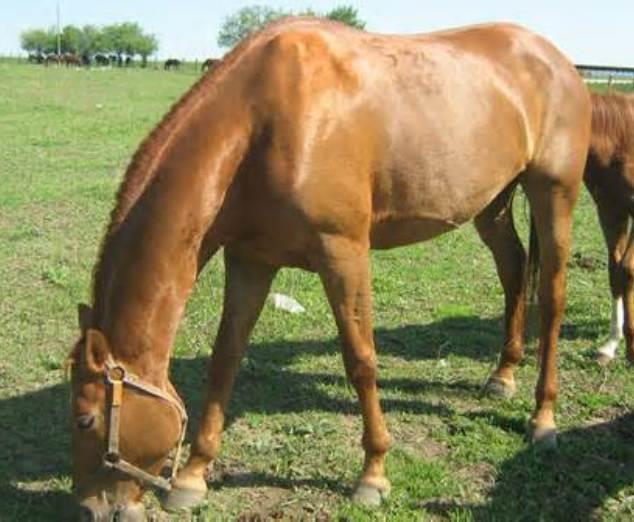
The Pleven is Bulgaria's practical sport horse: a compact, athletic riding type built on Arabian and Thoroughbred blood, known for free-flowing gaits, a natural jump and a calm, willing head. Most people meet the name before they meet the horse, usually while weighing up a sport horse they have never seen in the flesh. It reads more like a useful, everyday competition horse than a heavy drafter, and it is typically chestnut. Developed at a state stud from the late 1800s, it was refined into a consistent type and officially recognised in 1951.1 The honest catch is that genuine studbook Pleven horses are uncommon outside Bulgaria, so the main challenge is finding a real one.
Pleven Horse at a glance
- Country of origin: Bulgaria1
- Type: Anglo-Arabian (Arabian and Thoroughbred influence), later shaped with other bloodlines such as Gidran1, 2
- Typical height: about 15.2 to 16 hands (roughly 155 to 163 cm)1, 3
- Typical weight: commonly reported around 450 to 550 kg (varies with sex, condition and type)3
- Common coat colour: traditionally chestnut; many breed descriptions state chestnut only1, 4
- Usual uses: riding and sport (especially jumping and dressage); also suitable for light harness or driving in some programs1, 3
- Temperament (typical): calm, willing, trainable (individual horses vary)1, 4
History and Origin
The Pleven was developed from 1898 at the Klementina stud near the city of Pleven in northern Bulgaria, with the aim of producing a capable, athletic saddle horse that could serve practical national needs and, later, sport.1 Breeding leaned on strong Arabian and Thoroughbred influence, the classic Anglo-Arab pattern, and later brought in stallions from the Gidran, another Anglo-Arab type breed, among other refinements.1, 2 The breed was officially recognised in 1951, the point where a useful local type became a recorded, selected population with a defined direction.1
Appearance and Physical Characteristics
The Pleven sits in a clean, athletic frame. Most descriptions give it a straight-profile head, a long muscular neck, prominent withers, a back that can read a touch longer than modern warmblood fashions, and strong quarters built to push off the ground cleanly.1, 4 The legs are generally well conformed with good bone and hard feet, an everyday kind of durability rather than show-ring ornament.1
On colour, many reputable breed summaries state the Pleven is chestnut, often "always chestnut".1, 4 If you see a "Pleven" advertised as bay, black or grey, it may reflect loose naming, crossbreeding or a broader local sport-horse label rather than a strict studbook Pleven.
Temperament and Personality
Pleven horses are commonly described as calm and willing, with a reputation for being economical to keep and straightforward to work with, especially when handled consistently.1, 4 Temperament is always individual, though. A Pleven raised with generous turnout, steady handling and clear routines will usually read very differently from one that has been rushed, confined or fed beyond its workload.
Is a Pleven Horse Right for You?
Most sources place the Pleven firmly in the riding and sport category, with particular suitability for jumping and dressage, and a general versatility for everyday riding.1, 3 Some programs also list driving among suitable disciplines, which fits the breed's practical origins and balanced build.3 If you are choosing on work type, the Pleven sits at the light end: a horse that can pull a light vehicle or do modest farm tasks, but is not built like a true heavy draught breed.
The realistic hurdle for Australian buyers is availability. Genuine studbook Pleven horses may be uncommon outside Bulgaria, and the name is sometimes used loosely in sales listings. If you are trying to confirm what you are looking at, ask for registration papers or studbook documentation where available, breeding details (sire and dam), and a clear description of coat colour history, particularly if the horse is not chestnut.1, 4
Training and Exercise
The Pleven is repeatedly described as a competition horse with free-flowing gaits and a natural jump, traits that fit its Anglo-Arab foundation, where endurance, responsiveness and efficiency tend to come through in the way the horse travels.1 In practical terms you are often looking at a horse that can cover ground without fuss and organise itself at fences without needing to be pushed into every decision. Consistent handling and clear routines get the best out of the type, which suits both flatwork and jumping programs.
Care and Housing
Pleven horses do not come with a special rulebook. In Australia, good horse care still comes down to the same steady pillars: enough roughage, clean water, sound hooves, monitored teeth, and early attention when something is off.5, 6
Feet
Regular trimming, often every 6 to 8 weeks, helps keep the hoof capsule balanced and reduces the slow drift into strain and lameness that can come from long toes, under-run heels or neglected cracks.5, 6
Teeth
Plan on at least an annual dental check, with younger horses often needing more frequent reviews as their mouths change and teeth erupt.5, 6
Diet and Nutrition
- Base diet: prioritise roughage (pasture and/or hay). Adjust concentrates such as grain or pellets to workload, age and condition rather than habit.5, 6
- Water: horses need constant access to clean water. In hot weather, daily intake can rise dramatically, often to tens of litres.5, 6
- Salt and minerals: provide access to salt, such as a salt lick, and use supplements only where there is a clear need (pasture quality, workload, veterinary advice).5
Health and Lifespan
Learn your horse's normal, its appetite, manure, movement and attitude, so changes stand out. Seek veterinary help quickly for signs of colic, serious wounds, severe lameness, or any rapid decline in condition.5 The breed is generally reported as hardy and economical to keep, which fits its practical origins.1, 4
A Few Things Worth Knowing
- The name can be used loosely in sales listings; papers and breeding details are the only reliable check.1
- Claims about individual Pleven horses winning major national Grand Prix titles or placing at world championships need verifiable competition records. Examples previously circulated, such as a stallion "Pleven" winning the Grand Prix of Bulgaria in 2008 or a mare "Ludmila" placing at the 2018 World Equestrian Games, cannot be supported by the sources used here, so they are not repeated.
The Bottom Line
The Pleven is best pictured as Bulgaria's practical Anglo-Arab sport horse: medium-sized, athletic and typically chestnut, with a reputation for calm willingness and efficient movement.1, 4 For day-to-day keeping it thrives on the same quiet fundamentals as any horse, steady roughage, clean water, routine hoof and dental care, and prompt attention when something changes.5, 6 The hardest part for most Australian buyers will be finding a genuine one.
References

Dog lover and writer at My Pets Australia, sharing practical breed guides and care advice for Australian pet owners.