Pet Rat Varieties
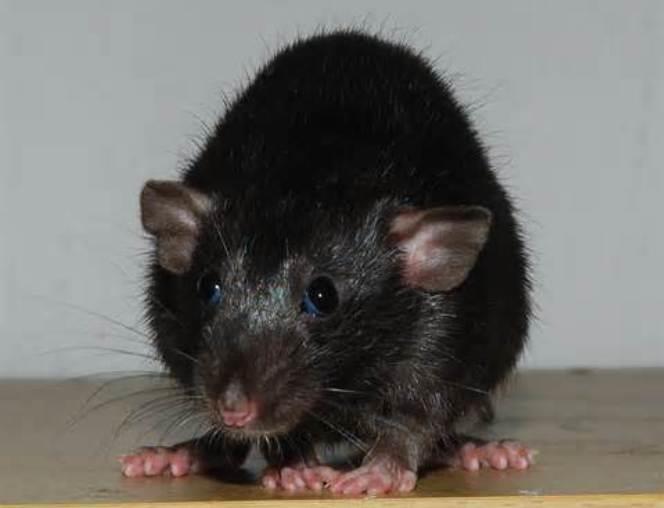
Pet rats are among the friendliest small mammals you can keep, and they are fully legal across Australia. They are clever, sociable, and quick to bond with the people who handle them, which is a big part of why the rat fancy has built up a long list of coat types, ear shapes, and colours. Most of the terms you will hear, like "rex", "dumbo", or "hairless", describe how a rat looks rather than how it behaves. This guide walks through the main varieties you will come across in Australia, what actually changes between them, and the care basics that matter far more than any label.
Breeds versus varieties
Pet rats do not have "breeds" the way dogs do. In the rat fancy and in showing, the usual term is varieties, which covers features like coat type, ear type, and tail type, with colours and markings layered on top.6 So a "black hooded dumbo rex" is really one rat described by several separate features at once.
The core animal
Almost all pet rats kept as companions are domesticated brown rats (Rattus norvegicus). Whatever the variety, their needs stay broadly the same. They are social, most active at dawn and dusk, and strongly shaped by how they are handled and housed.
Common pet rat varieties
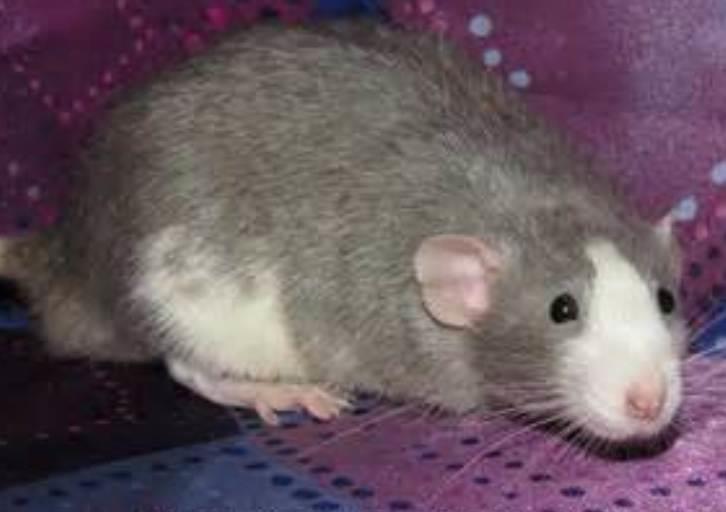
Standard coat (smooth)
This is the everyday, classic pet rat: a short, smooth coat, straight whiskers, and the widest range of colours and markings. If you are adopting from a shelter or buying from most pet shops, this is what you are most likely to see.6
Rex (curly coat)
Rex rats have a curly or wavy coat and curly whiskers. The curl is tighter in some individuals and looser in others, and the coat can thin out a little with age, especially in does (females).7
Satin (sheen coat)
Satin refers to the hair structure. The coat looks glossier, with a noticeable sheen, and it can appear alongside many colours and markings. It does not change a rat's basic care needs, though coat condition still depends on diet, health, and stress levels.6
Dumbo (ear type)
Dumbo rats have ears set lower on the sides of the head, which gives a rounder, more open look to the face. Dumbo is an ear placement variety, not a temperament guarantee. Friendly rats come in every ear type, and so do shy ones.7
Hairless
Hairless rats exist internationally, but they are not commonly available everywhere and need more careful management. That means stable warmth, soft bedding, and attention to skin dryness, scratches, and minor infections. If you are offered a hairless rat, confirm the source and be ready for extra husbandry and vet costs.6
Tailless (often called "Manx")
Tailless rats have a complete absence of a tail. The variety is recognised in some rat standards, but it is not ideal from a welfare point of view in many cases, because tails support balance and heat regulation, and taillessness may be linked to other anatomical issues. If you are considering one, ask the breeder about health history and consult an experienced exotics vet before committing.6
What actually shapes personality
Variety alone does not decide temperament. In practice, personality is most strongly shaped by:
- early handling and gentle, regular exposure to people
- stable social grouping, meaning compatible rats kept together, ideally from young1
- environment, meaning space, enrichment, places to hide, and things to chew
- health, meaning respiratory irritation, pain, parasites, or tumours
A confident rat looks curious and steady in the hands. A stressed rat tends to freeze, bolt, or bite. Those behaviours often improve with calm routines and the presence of a bonded cage-mate.
Choosing a variety that fits your home
For the simplest start, choose healthy, bright-eyed rats with a standard or rex coat from a reputable rescue or breeder, and aim for a compatible same-sex pair or small group.1 Before you decide, run a quick practical check:
- Plan for two or more rats. Single rats are more likely to suffer socially.1
- Ask about respiratory history, such as sneezing, "snuffles", or chronic noise.
- Look for clean breathing and smooth movement. Avoid rats that seem puffed up, lethargic, or have discharge around the eyes or nose.
- Be realistic about lifespan. Many pet rats live around 2 to 3 years.5
Care basics that matter more than variety
Companionship
Rats are social and should be kept in small groups of their own species. Same-sex groups avoid surprise litters, and introductions are easiest when rats are young and compatible.1, 2
Housing and ventilation
A well-ventilated enclosure with a solid base and deep bedding supports normal digging, nesting, and resting. Poor ventilation and infrequent cleaning let ammonia from urine build up, which irritates the airways and can contribute to respiratory disease in rats.2
Food and water
Use a balanced rat diet as the base, which for many owners is a commercial rat pellet, then add small amounts of suitable fresh foods. Victorian animal welfare guidance includes vegetables such as carrot and broccoli, and fruit such as apple, alongside fresh, cool water available at all times.3
Handling
Rats make excellent companion animals when they are handled gently and regularly. Support the whole body, keep sessions short at first, and supervise children closely, because rats are small and can be injured if gripped or startled.4
Vet care and common health issues
Find a vet who is comfortable with small mammals before you are in an emergency. Rats can deteriorate quickly when sick, and early treatment makes a real difference. If you notice weight loss, laboured breathing, head tilt, lumps, or sudden behaviour changes, book promptly.3
Frequently confused terms
- "Fancy rat": a general term for domesticated pet rats, not a single variety.6
- "Teddy bear rat": not a formal, widely standardised variety term. It is often used informally for plush-looking coats, sometimes rex, and is best treated as a marketing label rather than a guarantee.
- Colour or marking versus variety: "black hooded" describes colour and marking, while "rex" and "dumbo" describe variety features such as coat or ears.6
References
- RSPCA Knowledgebase, How should I care for my rats?
- RSPCA Knowledgebase, What company do my pet rats need?
- Agriculture Victoria (Animal Welfare Victoria), Caring for pet rats and mice
- RSPCA Australia, Adopting other animals (mice and rats)
- Merck Veterinary Manual, Biologic Data of Pet Rodents
- American Fancy Rat & Mouse Association (AFRMA), Official Rat Standard
- National Fancy Rat Society (UK), Rex and Dumbo varieties
- Queensland Government, Keeping exotic animals as pets in Queensland

Dog lover and writer at My Pets Australia, sharing practical breed guides and care advice for Australian pet owners.