Pet Rat Selective Breeding
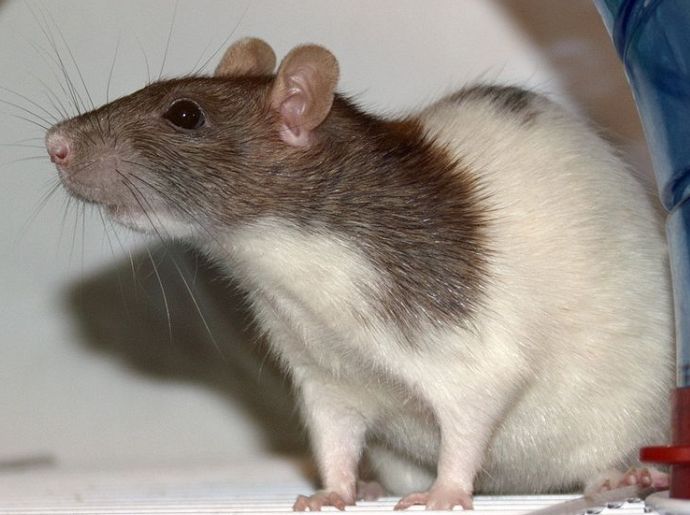
Selective breeding is how pet rats got the traits people like: steady temperaments, tidy markings, and the distinctive looks of Dumbo ears, Rex coats, and hairless lines. Done with patience and good records, it can produce calmer, sturdier rats that cope well as companions. Done carelessly, it does the opposite, concentrating heritable problems such as chronic respiratory illness, poor fertility, and pups that struggle to thrive. Most people meet this topic when they are weighing up a breeder or planning a litter. The sections below cover what selective breeding actually is, what genetics can and cannot predict, and the welfare checks that separate responsible breeding from rolling the dice.
Understanding selective breeding in pet rats
Selective breeding means choosing which rats mate and which do not, based on traits you want to see more often in the next generation. Those traits might be visible (ear position, coat texture, colour), behavioural (steady, curious, easy to handle), or health related (fewer chronic respiratory flare-ups, robust body condition, a sound bite).
Selection always has trade-offs. When a breeder focuses hard on a narrow look, the gene pool tightens, and harmful recessive variants have more chances to meet up. In small populations, inbreeding is one of the main pathways to reduced fitness (survival, growth, reproduction), even when the animals look fine on the surface.7, 8
Where fancy rats came from
Pet rats descend from the brown rat (Rattus norvegicus), the same species used widely in laboratories. Over time, fancy breeding selected for calmer handling, predictable markings, and distinctive features such as Dumbo ears and Rex coats. The modern pet-rat world still runs on the same basic engine: small breeding groups, strong preferences, and rapid spread of popular lines.
That history explains two realities you will see again and again. Traits can stabilise quickly when breeders select consistently across generations. Health problems can stabilise the same way if they are tolerated, hidden in carriers, or accidentally linked to a fashionable trait.
Benefits and risks
Selective breeding is not automatically harmful. In principle, it can:
- Increase predictability of temperament and handling tolerance when calm, well-socialised parents are consistently chosen.
- Reduce the frequency of known inherited problems when breeders avoid affected animals and track family outcomes across multiple litters.
- Improve mothering and pup viability by selecting for lines that whelp and wean reliably, rather than pushing animals that struggle.
The risks cluster around the same few pressure points:
- Loss of genetic diversity. Repeatedly using close relatives or a small number of popular sires makes the gene pool shallow, increasing the chance that recessive harmful variants become homozygous and show up as disease or poor robustness.7, 8
- Inbreeding depression. Across animal populations, inbreeding is associated with reduced reproductive success, slower growth, and higher mortality risk in some contexts, effects that can take several generations to fully reveal themselves.7
- Selection for looks over function. If the ideal is purely cosmetic, animals that are structurally or physiologically less resilient can still be bred, and the line carries that weakness forward.
Animal-welfare regulation offers a useful lens here. Victorian guidance for breeding animals with heritable defects that cause disease is explicit about preventing avoidable suffering from inherited conditions, and about the responsibility of breeders to manage known heritable problems rather than passing them along quietly.6
Genetics in plain language
Some traits behave predictably through simple dominant or recessive patterns. Many health outcomes do not, because they are polygenic, influenced by multiple genes and by the environment. That is why "both parents look healthy" is not a guarantee. Carriers can be clinically normal, and problems can surface only when certain combinations occur.
In small breeding populations, a second layer appears: chance. Founder effects and the heavy use of particular animals can concentrate rare variants. Studies of inbreeding and small populations show that the burden of deleterious recessive variants, and how strongly they affect survival and reproduction, can shape outcomes in ways that are not obvious from appearance alone.8
For pet-rat breeding, genetics is best treated as two things at once: a record-keeping problem (tracking relatives, outcomes, and recurring issues), and a probability problem (reducing risk rather than chasing certainty).
Popular selectively bred types
Pet rats are not generally separated into formal breeds the way dogs are, but certain types are widely recognised.
Dumbo
Dumbo rats have lower-set, larger ears. The trait is mainly cosmetic, but it is still part of a lineage. The important question is not the ears, it is the family's health history and temperament stability over time.
Rex
Rex coats are curly or plush. Coat mutations can come with changes to whiskers and skin, and they can change how an animal copes with cold draughts or abrasive surfaces. Watch for skin irritation, and prioritise bedding that is soft, low-dust, and easy on the respiratory system.
Hairless
Hairless rats need extra attention to warmth, sun exposure, and skin integrity. They are also less forgiving of dry air, rough substrates, and temperature swings. Guidance for rats in controlled environments notes that animals with reduced thermoregulatory capacity, including hairless genotypes, may require higher ambient temperatures and careful bedding and heat support.3, 4
Welfare and ethics
Ethics in pet-rat breeding is mostly about predictable outcomes: avoiding practices likely to produce suffering, and being honest about what you do not yet know. A responsible breeder assumes that hidden problems exist until proven otherwise by time, numbers, and records. Two practical anchors hold up well.
- Do not breed from animals that are unwell, chronically unstable, or showing inherited disease patterns. Breeding guidance around heritable defects focuses on preventing the spread and expression of disease caused by genetic defects, not normalising it.6
- Do not treat the pups as an afterthought. Breeding creates lives that must be housed, socialised, and rehomed responsibly, with clear plans for the ones that do not match the ideal.
Practical tips for responsible breeding
Before pairing
- Start with stable, social animals. Rats are social by nature. Stable group behaviour and low aggression matter, because stress and conflict can cause injuries and destabilise colonies.2
- Keep proper lineage records. Track parents, grandparents if known, ages at death, major illnesses (especially chronic respiratory disease), temperament notes, and reproductive outcomes.
- Avoid close inbreeding as a default. If line-breeding is used at all, it should be deliberate, rare, and paired with ruthless selection for health and robustness, not looks.
Housing and environment
Even excellent genetics will not survive poor husbandry. Respiratory disease risk rises in dirty, dusty, or poorly ventilated housing, where ammonia builds up from urine.1
- Group house appropriately. Keeping rats in small same-sex groups is commonly recommended, and separating males and females promptly after weaning helps prevent accidental litters.1, 2
- Provide enough space and complexity. Victorian minimum standards for rats include room temperature ranges (commonly 18 to 24°C) and minimum floor areas that depend on body weight and whether animals are singly housed, group housed, or breeding.3
- Manage temperature carefully. Rats are sensitive to heat, and temperatures above 30°C can cause heat stress and may affect fertility and survival. This matters most for pregnant females and newborn pups.4, 5
Breeding and weaning management
- Handle timing with care. Early-life social stability matters. Introducing enclosure-mates before or soon after weaning reduces the likelihood of aggression later. RSPCA guidance commonly notes weaning around 21 days (three weeks).2
- Plan sex separation. Separate young males and females promptly after weaning unless desexing is part of your plan and you have veterinary support.1, 2
- Track outcomes, not just litter size. Note growth rates, respiratory signs, bite quality, skin issues, maternal behaviour, and how pups cope with handling.
The bottom line
Selective breeding in pet rats is neither a magic wand nor a moral failing. It is a slow pressure applied over generations. When that pressure is guided by careful records, wide enough genetics, and unglamorous welfare basics such as clean air, stable groups, and safe temperatures, it can produce rats that are calmer, sturdier, and more predictable as companions. When it is guided mainly by appearance, the costs tend to arrive later, in smaller litters, fragile pups, and lines that wheeze before they are old.
References
- RSPCA Australia Knowledgebase: How should I care for my rats?
- RSPCA Australia Knowledgebase: What company do my pet rats need?
- Agriculture Victoria: Code of Practice for the Housing and Care of Laboratory Mice, Rats, Guinea Pigs and Rabbits, Appendix 1 (minimum standards)
- Agriculture Victoria: Code of Practice for the Housing and Care of Laboratory Mice, Rats, Guinea Pigs and Rabbits, Climate control
- Merck Veterinary Manual: Special Considerations for Rats
- Agriculture Victoria: Code of Practice for the Breeding of Animals with Heritable Defects that Cause Disease
- PubMed: Slow Recovery from Inbreeding Depression Generated by the Complex Genetic Architecture of Segregating Deleterious Mutations (2021)
- PMC: Strongly deleterious mutations are a primary determinant of extinction risk due to inbreeding depression (2021)

Dog lover and writer at My Pets Australia, sharing practical breed guides and care advice for Australian pet owners.