Pet Rat Safety - yours and your rats!
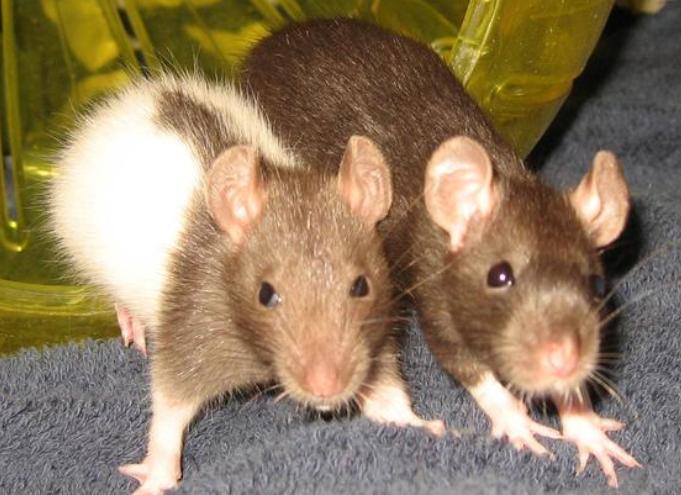
Pet rats are clever, sociable and genuinely rewarding to keep, and most of the trouble people run into is preventable. The small setup decisions do the heavy lifting: poor ventilation irritates airways, the wrong fabrics snag toes, and a single loose door turns a night-time wander into an accident. Rats are also fast, curious and very good at finding gaps, so a bit of planning pays off. This guide covers the practical safety layer, from housing and handling to home hazards and the early warning signs that mean it is time to ring a vet.
Safe housing for pet rats
A rat's cage is the air they breathe, the floor they run on, and the place they retreat to when the room is busy. Get the enclosure right and you head off a long list of common problems, especially respiratory irritation and escapes.1
Choose an enclosure that ventilates well
Rats produce a lot of urine, and in a poorly ventilated enclosure ammonia can build up and contribute to respiratory illness and stress. Wire-sided cages generally ventilate far better than solid tanks or plastic tubs with limited airflow.1
Make escape difficult and injuries unlikely
- Bar spacing: Choose bar spacing that prevents escapes and reduces the risk of limbs getting caught. A common guide is no larger than 2.5 cm for adult rats, and smaller is needed for juveniles.1
- Check for sharp edges and chewed plastic: Damaged plastic can create sharp points. Regularly run your hand along shelves, doors, and joins.1
- Avoid snaggy or constricting materials: Loose-weave long-fibre fabrics, fluffy bedding, and metal chains can catch claws or teeth and cause injuries. Avoid rubber items and other materials likely to cause trouble if swallowed.1
Bedding and cleaning: keep it simple and consistent
Cleaning is not about making the cage smell nice to humans. It keeps air quality acceptable and removes damp, soiled areas before they sour. Spot-check daily, remove wet patches, clean solid surfaces, and clear out any stashed fresh foods before they spoil.1
Keep rats with rats (and away from predators)
Rats should not be housed with other species. Even in nearby cages, the presence of predator species can be stressful, because rats can detect them by scent and sound. Aim for a steady room temperature, no drafts, and a location away from direct sun and kitchen fumes.2
Rat-proofing your home before the first free-roam
Assume your rats will find every gap, climb every texture, and test every cord. Pet rats explore with noses and teeth, so the room has to be secured before they are loose in it.
High-risk hazards to fix first
- Electrical cords: Rats gnaw. Protect cords with hard conduit, route cables behind furniture, or block access entirely.
- Small gaps and doors: Block holes behind appliances, under cupboards, and around pipes. Close doors and cover vents where a rat could squeeze through.
- Other pets: Keep cats, dogs, and ferrets physically separated during rat time out. Even a gentle pet can injure a rat in a second.
- Toxins and fumes: Store cleaning products securely, do not allow access to baits or insecticides, and avoid exposing rats to aerosol sprays or strong fumes.
Plan a controlled rat zone
A playpen or a single rat-proofed room is far easier to make safe than an entire house. Keep the floor clear of clutter, remove anything you would hate to see shredded, and provide a few familiar hides so your rats can pause and reset between bursts of exploring.
Safe rat toys and accessories
Enrichment is not a luxury. Rats need to climb, chew, forage, and rearrange their world, and giving them ways to do it reduces boredom-related stress and destructive behaviour.2
Quick safety checks for toys
- Size: Avoid small parts that can be swallowed.
- Materials: Choose sturdy, non-toxic items, and avoid rubber objects that could be chewed into swallowable pieces.1
- Surfaces: Avoid loose threads, fluffy fabrics, and anything that can tighten around toes or legs.1
- Condition: Remove anything cracked, sharp, or heavily chewed.
Handling and interacting with pet rats safely
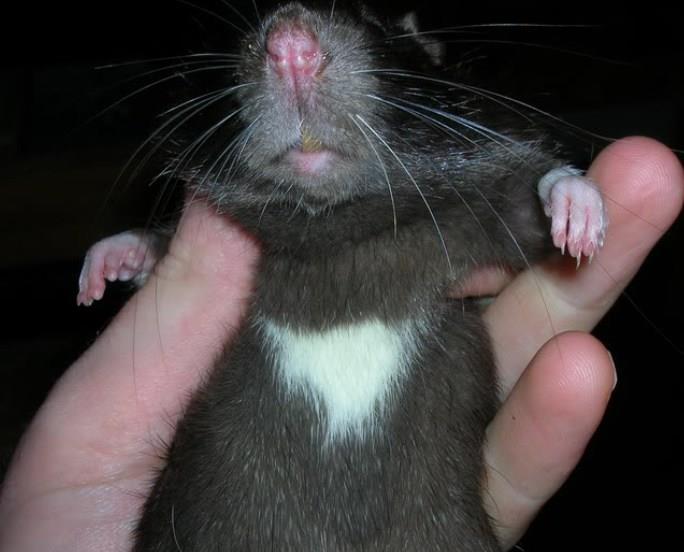
Most injuries happen during hurried handling: startles, falls, and tail accidents. Move slowly, support the body, and let confidence build over days rather than minutes.
How to pick up a rat without hurting them
- Do not lift or restrain a rat by the tail. Tail injuries can be serious and painful.
- Scoop with two hands: one supporting the chest and front feet, the other supporting the hindquarters.
- When carrying, keep your hands close to your body and low over a soft surface in case they wriggle.
Reduce bites without assuming rats are aggressive
Biting is more likely when a rat is frightened, in pain, half-asleep, or startled by a hand coming from above. Offer a closed fist first, use calm movements, and avoid waking a sleeping rat by grabbing. If biting appears suddenly in a previously settled rat, treat it as a potential pain signal and book a vet check.3
Rat health and safety concerns
Rats are small, fast, and good at hiding early illness. The most useful skill you can develop is recognising what normal looks like for your rats, so subtle changes stand out.
Early signs that need a vet call
Seek veterinary advice promptly if you notice appetite loss, low energy, a dull or puffed-up coat, loud or raspy breathing, laboured breathing, or changes in urine and faeces. Reddish-brown staining around the eyes or nose (porphyrin) can also be associated with stress or illness and is worth taking seriously when paired with other signs.3
Respiratory disease is common and often contagious
Chronic respiratory disease, including murine respiratory mycoplasmosis, is a well-known issue in pet rats. Signs can include sneezing, sniffling, rough coat, lethargy, laboured breathing, weight loss, head tilt, and porphyrin staining, and it can spread via direct contact and airborne droplets. If one rat becomes unwell, your vet may recommend separating them from cage mates depending on the suspected cause and the household situation.4
Zoonotic risk: wash hands after handling
Most rat owners never have a problem, but it is still sensible hygiene to wash hands after handling rats or cleaning cages. Rats can carry Streptobacillus moniliformis, which can cause rat-bite fever in people, even when the rats show no signs of illness.4
Emergency preparedness for pet rats
In a true emergency, the best first aid is usually rapid transport to a vet while keeping your rat warm, quiet, and supported on the way. A small kit is still useful for minor issues and for stabilising situations while you organise help.
A sensible rat first-aid kit
- Gauze and non-stick pads
- Saline (for gentle flushing)
- Antiseptic suitable for small animals (ask your vet what they prefer)
- Digital thermometer
- A small carrier and a spare towel for warmth
- Your vet's number and the nearest after-hours clinic details
Do not give human pain relief unless a veterinarian has specifically instructed you to. Many common human medications are dangerous for small animals.
Responsible rat ownership and care
Rats are social, and many do best in compatible same-sex groups to prevent unexpected litters. Female rats can come into oestrus and mate within 24 hours of giving birth, so mixed-sex housing needs careful management and is not a casual choice.5
Daily observation helps. Watch them stand, move, and interact, and take note of any changes, because small mammals can look fine right up until they are not.2
In Australia: check state rules before you buy
The rules can differ depending on whether you mean domestic fancy rats or native rodents. Domestic fancy rats are legal to keep as pets across Australia, but native mammals are a separate matter. In New South Wales, for example, keeping native mammals as pets is tightly restricted and requires a licence, with only limited species permitted under that framework.6
Final thoughts
Pet rat safety is mostly quiet prevention: clean air, secure doors, careful hands, and a home that does not offer easy access to wires and toxins. Get those foundations in place and rats tend to do what they do best, which is wake, explore, groom, nap in a warm pile, and return to their cage as if it is the centre of the map.
References
- RSPCA Australia Knowledgebase: Where should I keep my rats?
- NSW Department of Education: Rats, environment (Animals in Schools)
- Merck Veterinary Manual: Routine Health Care of Rats
- Merck Veterinary Manual: Disorders and Diseases of Rats
- NSW Department of Education: Rats, introduction (Animals in Schools)
- NSW Environment & Heritage: Mammal keeper licence (native mammals as pets)

Dog lover and writer at My Pets Australia, sharing practical breed guides and care advice for Australian pet owners.