Pet Rat Risks
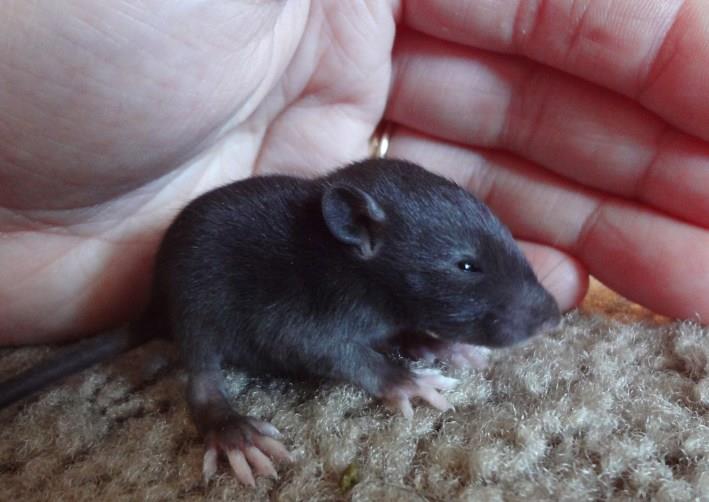
Pet rats are clever, social and genuinely affectionate, and they earn a lot of loyalty from the people who keep them. Domesticated Rattus norvegicus is a tidy, curious little animal that learns its name, enjoys company and settles happily into a home. The risks that people worry about are real, but they are mostly practical: hygiene, the odd bite or scratch, and making sure the rat cannot escape. This guide walks through those risks in an Australian context, what makes each one more likely, and the simple habits that keep both rats and people well.
Health risks associated with pet rats
Pet rats can carry germs that occasionally infect people, but most illness is preventable with routine hygiene and sensible handling. It is still worth knowing what is possible before you bring rats into a household, especially if there are young children, pregnant people, or anyone with a weakened immune system.1, 2
Infections people can catch from rats
The main concern is zoonotic disease, meaning infections that pass from animals to humans. With rats, this usually happens through contact with droppings or urine, contaminated hands touching the mouth, or a bite or scratch.1, 2
- Salmonellosis (Salmonella): can spread through contaminated hands, surfaces, food, or bedding. It typically causes gastro symptoms such as diarrhoea, cramps and fever.1
- Rat-bite fever: uncommon, but possible after a bite or scratch. Any bite that breaks the skin needs prompt cleaning and medical advice if symptoms develop.1
- Lymphocytic choriomeningitis (LCM): an arenavirus associated with rodents. Risk is higher with exposure to rodent urine and faeces and to contaminated dust. Pregnant people should take particular care around rodents and their waste.1, 2
- Leptospirosis: bacteria shed in urine. Infection can occur through contact with contaminated urine or environments.1
Parasites and allergies
Rats can develop external parasites such as mites, which may irritate human skin and aggravate allergies. These issues are usually manageable with veterinary guidance and good cage hygiene.2
About hantavirus
Hantaviruses are linked to some wild rodent populations overseas. For pet owners, the practical takeaway is the same: avoid stirring up dust from droppings, keep cages clean, and wash hands after handling rats or their bedding.1
Zoonotic diseases and how transmission happens
Most zoonotic risk comes from everyday, fixable moments: cleaning the cage, handling soiled bedding, touching your face, or letting rats roam on food-prep surfaces. Rodent germs spread by direct contact through bites and scratches, indirect contact through contaminated surfaces, and occasionally through contaminated dust when droppings or urine dry out.1, 2
Simple habits that cut the risk
- Wash hands with soap and water after handling rats, their cage, or bedding.1
- Keep rat gear separate: use dedicated cleaning tools for the cage. Avoid washing cage items in the kitchen sink where you can, and disinfect afterwards if you do.1
- Clean calmly, not dusty: dampen bedding or litter slightly before removal if it is dusty, and avoid sweeping dry droppings into the air.1
- Keep rats off food areas: benches, dining tables, and anything used for preparing food.1
Behavioural risks of owning a pet rat
Rats are social, alert animals, and behaviour problems tend to appear when their basic needs are missing: company, space, enrichment, and predictable handling.3, 4
Common behaviour-related risks
- Biting or scratching: usually linked to fear, pain, rough handling, or being startled. Even a small bite can become infected.1, 4
- Chewing damage: rats need to chew. Without safe chew options and supervision, they may target furniture, cords, or carpet edges.3
- Stress from isolation: rats generally do best with other rats. Keeping a same-sex pair, or a small compatible group, reduces boredom and stress-related behaviour.3, 4
A note on exercise equipment
Running balls can cause stress and injury, and they limit normal behaviour such as hiding and choosing where to go. Safer options are a secure playpen, supervised free-roam in a rat-proofed room, tunnels, and species-appropriate wheels chosen to suit the rat's size.3
Risks of improper handling and care
Most pet rat incidents are simple: a frightened rat, an unsecured door, a cage that is hard to clean, or a child grabbing instead of supporting. Rats are small and can be injured easily if handled roughly or dropped.4
Handling basics that prevent bites and injuries
- Support the body with two hands, and avoid grabbing by the tail.4
- Wake a resting rat gently. Sudden grabs are a common trigger for nips.
- Supervise children closely and keep handling short and calm.4
Environmental risks for pet rats
Rats are sensitive to heat and poor air quality. Many health problems in pet rats worsen in hot rooms, in damp or ammonia-smelling bedding, or in cages that do not allow enough movement and retreat space.2, 4
Quick environmental checks
- Air: the cage should not smell sharply of ammonia. Frequent spot-cleaning helps.4
- Heat: keep rats out of direct sun and away from heat sources. Provide shade and ventilation in warmer months.2
- Space and structure: multi-level cages, hiding spots, and chew items support normal movement and reduce stress.3, 4
Potential risks for children and other household pets
The biggest risks here are physical: accidental drops, bites when a rat is frightened, and predation or stress caused by other pets. Even gentle dogs and cats can injure rats in seconds, and the rat may bite in self-defence.4
- Keep interactions between rats and cats or dogs separate and controlled. Do not rely on the animals getting used to each other.4
- For kids, prioritise supervised handling and clear hygiene rules: hands washed after contact, no kissing rats, and no rats on faces.1, 4
Legal and practical compliance risks in Australia
Rats are legal to keep as pets in Australia, so this is not about a ban. Two legal themes come up repeatedly instead: preventing escape, and meeting biosecurity and import rules.
Escapes and secure housing
Some councils explicitly require that any pet rats or mice are kept in an enclosure they cannot escape from, with penalties for non-compliance. Even where the wording differs by area, the expectation is the same: a secure cage, secure doors, and no chance of a breeding population establishing outside.5, 6
Importation and biosecurity
Bringing live animals into Australia is tightly controlled. If you are relocating from overseas, do not assume pet rats can travel with you. The Australian Border Force notes that only certain animals are eligible to be imported as pets, and rats are not on that list.7, 8
The Bottom Line
Pet rats are not risk-free, but the risks are mostly familiar and manageable: hygiene, gentle handling, safe housing, and keeping them secure from other pets. A well-set-up cage, a same-sex companion, and calm daily routines usually lead to a small, busy life that sits comfortably alongside a human household.3, 4
References
- CDC, Healthy Pets, Healthy People: Controlling Wild Rodent Infestations (diseases and transmission routes)
- Merck Veterinary Manual, Zoonotic diseases (overview of zoonoses and vectors)
- RSPCA Australia Knowledgebase, What company do my pet rats need?
- RSPCA Australia, Adopting other animals: Mice and rats (handling and care considerations)
- Rockhampton Regional Council, Am I allowed to keep rats and mice? (secure enclosure requirement)
- Logan City Council, Rodents (rats) and mice (keeping pet rats/mice in a secure enclosure)
- Australian Border Force, Live animals and pets (what pets can be imported)
- Australian Border Force, Importing animals (permit requirements and process overview)

Dog lover and writer at My Pets Australia, sharing practical breed guides and care advice for Australian pet owners.