Pet Rat Colouring
Pet rats come in a surprising range of coats, from warm wild-type brown through slate blue to pure white, and the names attached to them (agouti, hooded, Berkshire, blue) each describe something specific. The catch is that a single word like "colour" is doing three jobs at once: it can mean the base colour, the white markings, or the eye colour, and those are inherited more or less independently. Sort those three things out in your head and the whole vocabulary suddenly makes sense. This guide walks through the common colours and markings seen in Australian pet rats, how the genetics roughly work, and the everyday care that keeps a coat healthy. It also names a few colour myths worth ignoring.
What "colour" actually means
In fancy rats, "colour" gets used as a catch-all. In practice there are three separate features people notice first:
- Base colour, for example agouti versus black-based colours such as black or blue.
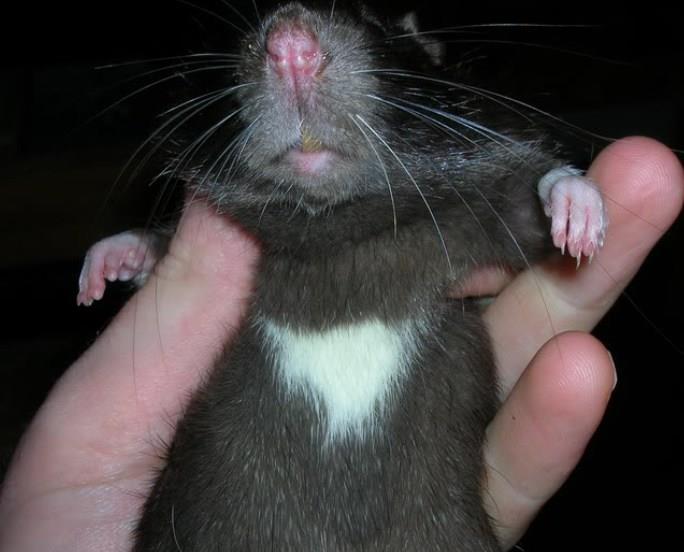
- Markings, the white patterning such as hooded or Berkshire.
- Eye colour (black, ruby, or pink), which can change the overall look dramatically.
A rat described as "blue hooded" is usually a blue base colour carrying a hooded marking pattern. An "agouti Berkshire" is an agouti base with Berkshire-style white. Pet shop labels and breed names do not always keep these categories tidy, so it helps to separate them yourself first.
Common base colours
These are the base colours seen most often in pet rats. Names and availability vary by line and by state, but the visual cues below hold steady.
Agouti (ticked)
Agouti is the classic wild-type look: each hair is banded, giving a warm brown coat with darker ticking. Australian standards describe agouti as rich chestnut brown with black guard hairs and a darker undercoat, with a lighter belly.1
Black (self)
Black rats are "self" coloured, meaning one solid shade without ticking. A good black is dark right down to the skin rather than brownish or rusty, though sunlight and age can soften the tone over time.5
Blue (dilute black)
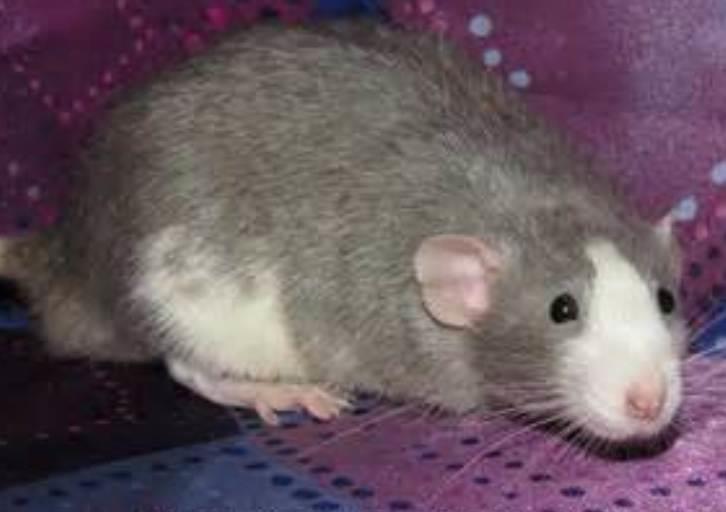
Blue in rats is a slate-grey dilution of black, usually even through the coat rather than ticked like agouti. It is one of the more common dilutes in pet lines and can look anything from deep steel to softer grey depending on modifiers.4, 5
Cinnamon, fawn, and other warm tones
Warm-toned colours can be confusing because similar-looking rats may be produced by different combinations of genes. In Australian show standards, for example, cinnamon and fawn are distinct ticked colours with specific expectations for undercoat and guard hairs.1
Albino (pink-eyed white)
Albino rats are not a white "colour" in the usual sense. Albinism masks the underlying colour and markings, producing a white coat with pink eyes even when the rat genetically carries other colours or patterns.4, 6
Common markings
Markings sit on top of the base colour, so two rats can share a marking name and still look very different because their base colours differ.
Hooded
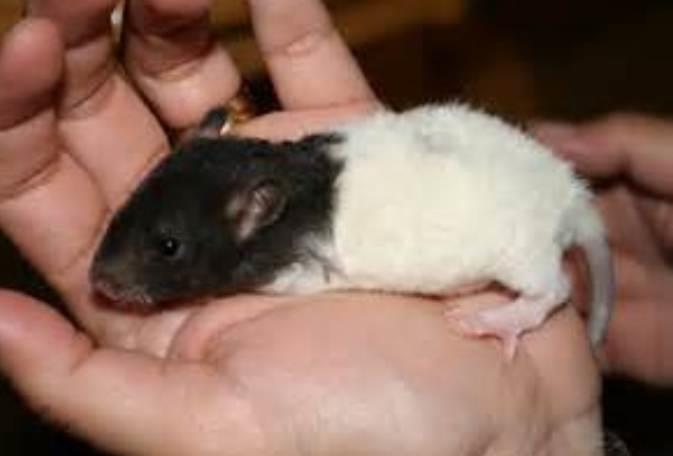
Hooded rats typically have colour over the head and shoulders plus a stripe running along the spine, with the rest of the body mostly white, though the extent varies by line. In show definitions, faults often include a broken or uneven stripe.2
Berkshire
Berkshire usually means a coloured back with a white belly and white feet, often with additional preferred features depending on the standard, such as white extending up the legs. It is common in pet lines and often used as a general label for "white tummy" rats.2, 7
Other marking names you may hear
Depending on the breeder, registry, and state, you may also see terms such as Irish, blaze, capped, bareback, variegated, and downunder. These names describe where the white sits and how clean the edges are, rather than creating a different breed.2, 7
How colour inheritance works
Rat colour is real genetics, but you do not need to memorise letter codes to use it sensibly. The plain version is this:
- Some genes are recessive and only show when a rat inherits two copies, one from each parent. Classic examples include black-based colour, often described as recessive to agouti, and albinism masking colour.4, 5
- Some genes dilute or modify an existing base colour, for example turning black into blue.4, 5
- Markings are inherited separately from base colour, and the same marking name can involve more than one genetic route in different lines. That is part of why pet shop labels can be inconsistent.7
If you are choosing rats with breeding in mind, work with a breeder who tracks lineage and uses recognised standards and genetic references. For pet homes, it is usually enough to identify base colour plus marking accurately.
"Breeds": what is real and what is just a look
In everyday pet talk, "breed" often means a visible type rather than a distinct breed in the dog sense.
- "Fancy rat" usually just means a domesticated pet rat (Rattus norvegicus) in any of its many colours and markings.
- Dumbo refers to ear placement and shape (larger, lower-set ears), not coat colour.
- Hairless refers to coat type. It is striking, but it also changes day-to-day care, especially around warmth and skin health.
Temperament is shaped far more by handling, social housing, and breeding for stable behaviour than by coat colour. Be wary of claims that black rats are always outgoing or white rats are timid, because those stereotypes do not hold up as selection tools.
Choosing a rat: love the colour, but do not let it lead
Colour is allowed to matter to you, just keep it in proportion. The practical order is health and behaviour first, then colour.
- Watch breathing at rest. Persistent clicking, wheezing, or laboured breathing is a red flag in any colour.
- Look at the coat and skin. Patchy hair loss, heavy scurf, or sores suggest parasites or illness.
- Choose social confidence. A well-socialised rat usually approaches, sniffs, and settles with gentle handling.
If you are choosing between two equally healthy, well-handled rats, then yes, pick the one whose markings make you look twice. You will be looking at that coat for years.
Coat care without overdoing it
Rats are fastidious self-groomers. Most healthy rats do not need routine bathing, and frequent washing causes stress and interferes with their scent-based social life.8
When a wash is actually appropriate
- They are elderly or unwell and cannot groom properly.8
- They have gotten something on their coat that you do not want them ingesting during grooming.8
- A vet has recommended bathing as part of treatment.
If you must wash a rat
Use warm water and aim for a gentle sponge bath rather than immersing them. If shampoo is needed, keep it mild and unscented, rinse thoroughly, and return them to their cage only once they are fully dry.8
Diet and colour: what food can and cannot change
A good diet supports healthy skin and coat condition, meaning shine, softness, and normal moulting. It does not reliably boost a genetically fixed colour in the way some pet myths suggest. Carotenoid-rich foods such as carrot can contribute pigments in some species, but in rats the coat colour you see is determined primarily by genetics, with health, age, and sunlight affecting how vibrant it looks over time.
When a coat looks dull, the causes are usually mundane: poor diet quality, chronic stress, parasites, or illness. Treat the basics first before chasing colour hacks.
Health notes sometimes linked to colour
Be sceptical of sweeping claims that certain markings or colours cause specific diseases. Most pet-rat health issues, especially respiratory disease, are not driven by coat pattern. What does have some evidence behind it is that albinism affects the eyes and light handling in many animals, rats included.
Albino rats and light sensitivity
Research in rats shows differences in visual system responses between albino and pigmented animals, and albino rat retinas are widely noted as more susceptible to light-induced damage under experimental conditions.9, 10
In a pet setting this is less about catastrophe and more about sensible housing: provide shaded areas, avoid harsh constant lighting, and let rats choose where to rest.
The Bottom Line
Pet rat colouring is best read as a map of base colour, markings, and eye colour, all inherited in overlapping ways. Learn the names, enjoy the variety, then keep most of your attention on the quiet signals that matter more: steady breathing, bright curiosity, and a clean, well-managed home. The coat will follow.
References
- NSW Fancy Rodent Society (NFRS), Rat show standards (colours and definitions)
- Dazzle Rats Rattery, Rat markings and colours (Australian fancy rat markings guide)
- American Fancy Rat & Mouse Association (AFRMA), Fancy rat genes: genetic code listing
- AFRMA, Fancy rat genes: black-based colours
- RatsPacNW, Rat standards: non-agouti (black-based) colours
- AFRMA, Fancy rat genes: marked rats (markings and notes)
- Telos Exotics, Fancy rat colours, patterns, and coat types (overview and naming variability)
- RSPCA Australia Knowledgebase, How should I groom my rats? (washing and handling advice)
- PubMed, Light response differences in the superior colliculus of albino and pigmented rats
- PubMed, Retinal damage in pigmented and albino rats exposed to cyclic light (photoreceptor damage)

Dog lover and writer at My Pets Australia, sharing practical breed guides and care advice for Australian pet owners.