Pet Rat Coat Types
Pet rats come in a surprising range of coats, from short and sleek to curly, glossy, or nearly bare. Coat type is one of the first things people compare when they are picking a rat from a litter, and it is also what sends owners searching when a rat's fur suddenly feels or looks different. The practical point is simple: the coat a rat carries changes how you groom it, how warm you need to keep it, and what counts as normal as it grows and moults. Most of the differences come down to the structure of the fur rather than anything exotic. This guide covers the common varieties you are likely to meet and the care points that actually matter.
What "coat" really means in rats
In rats, "coat type" refers to the structure of the fur, whether it is straight, wavy, curly, satin-sheened, or largely absent. It is not the same as colour or markings, and it is separate from body traits like ear type. Dumbo, for instance, describes ear placement, not fur. Most healthy rats keep themselves clean through constant grooming, so when a rat looks unkempt the cause is usually environment, age, illness, parasites, or unsuitable bedding rather than the coat type itself.1
Standard (smooth) coat
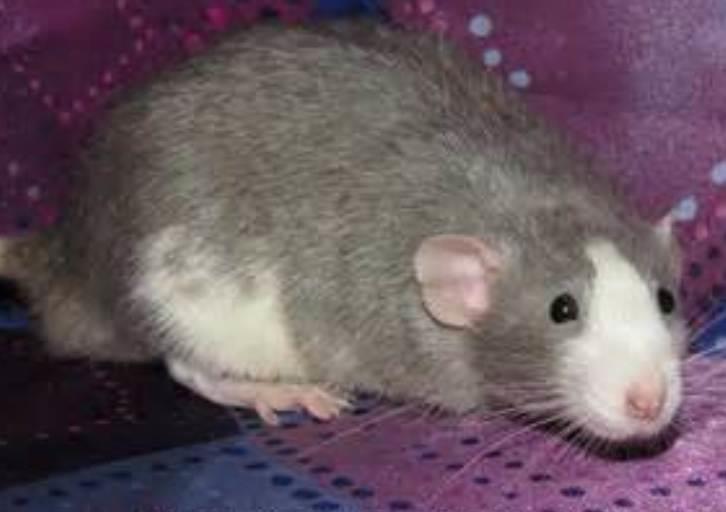
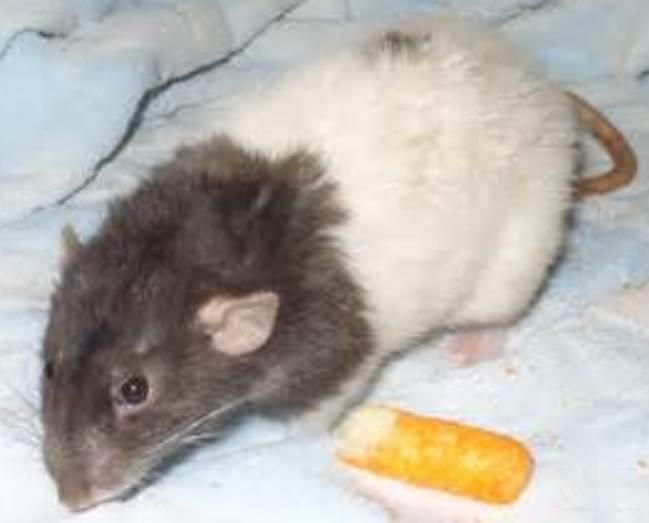
A standard coat is short, straight and fairly even over the body, and it can come in any colour or marking. It is the easiest coat to live with: it sheds, but it does not tend to tangle, and it generally stays neat with normal cage hygiene.
- Routine bathing is not usually needed. If cleaning is necessary, warm water and a gentle spot clean is preferred over frequent full baths.1, 2
- A brief weekly check of the skin, shoulders, rump and under the chin catches early irritation, scabs, or lice and mites before they become a bigger problem.
Rex coat
Rex rats have curly or wavy fur and characteristically curled whiskers (vibrissae). The coat is meant to be evenly dense, though it can look less curly after a juvenile moult, and some Rex coats thin with age.3, 4
- Low maintenance does not mean no maintenance. Rex coats can trap bedding dust and urine residue, so good ventilation, low-dust litter, and regular cage cleaning matter more than brushing.
- Avoid over-bathing. Too much washing can dry the skin and make itchiness worse.1, 2
Hairless and double Rex (patchy) coats
Truly hairless rats have very little coat and often a fine fuzz. A separate and common nearly hairless look is double Rex, where the coat is thin and can be patchy or change over time, sometimes called patchwork in casual conversation. This patchiness is a coat variety effect, not something created by stitching fur or using adhesives.5
- Warmth matters. Without a full coat, these rats can struggle more with temperature swings, draughts, and cold cage surfaces.
- Skin is more exposed, so check for scratches, dry patches, and irritation from rough substrates. Choose soft nesting material and avoid sharp-edged hides.
- Bathe only occasionally and for a reason, such as a sticky mess, medical direction, or an older rat that can no longer groom itself. Use gentle, minimal products, rinse thoroughly, and dry fully before returning the rat to the cage.1, 2
Satin coat
Satin rats have a distinctive sheen, caused by a different hair structure that reflects light more clearly. The coat itself may still be short and straight (standard satin), or curly if the rat also carries Rex (satin Rex).6
- The shine can make greasy or dusty areas look more obvious. Good cage hygiene usually fixes this more effectively than bathing.
- If the skin looks flaky or the coat looks suddenly dull, treat it as a prompt for a health check. Parasites, poor diet balance, stress, or underlying illness can all show up in the coat.
Dumbo is an ear type, not a coat type
Dumbo refers to ears that are larger and set lower on the sides of the head. A dumbo rat can have a standard, Rex, satin, hairless, or any other coat variety. The ear type does not reliably predict temperament, and it does not remove the need for normal parasite checks and basic grooming care.7
Grooming and bathing: what is actually recommended
Rats usually do not need routine baths. When they do need help, it is typically because they are elderly, unwell, have soiled themselves, or have got into something that should not be licked off. Strong scents can also stress rats and affect how cage-mates respond to them, so unscented products and minimal washing are the safer approach.1, 2
- Spot clean with a damp cloth for small messes.
- Sponge bath with warm, shallow water and no dunking if more cleaning is needed.1
- Use mild, unscented shampoo only when necessary, and rinse extremely well.1
- Dry completely before returning the rat to the enclosure to reduce the risk of chilling.2
When a coat problem is really a health problem
A coat should look consistent for its variety. If something changes quickly, treat it as a health clue rather than a grooming issue. Seek veterinary advice if you notice any of the following.
- Sudden bald patches in a normally furred rat, especially with scabs or constant scratching.
- Crusty skin, wounds that do not settle, or widespread redness.
- A coat that becomes rough, spiky, or greasy alongside weight loss, lethargy, or breathing noise.
- Older rats that stop grooming, which often points to pain, arthritis, or illness.1
The bottom line
Most coat types do not need special products. They need the quiet basics: clean housing, low-dust bedding, stable warmth, and a regular hands-on check that notices small changes early. Once you know whether a rat is standard, Rex, satin, hairless, or patchy double Rex, the rest is mostly observation and good husbandry.
References
- RSPCA Knowledgebase: How should I groom my rats? (Updated 19 January 2024)
- Animal Welfare League Queensland: Rats (care, grooming and bathing)
- American Fancy Rat & Mouse Association (AFRMA): Rex Rats
- Rat & Mouse Club of America (RMCA): Rat Standards, Rex
- RatsPacNW Rat Fancier's Club: Varieties (includes Double Rex and coat notes)
- AFRMA: Satin Rats
- RMCA Rat Standards: Rat Decoder Ring (general conformation and variety context)

Dog lover and writer at My Pets Australia, sharing practical breed guides and care advice for Australian pet owners.