Pet Rat Cages
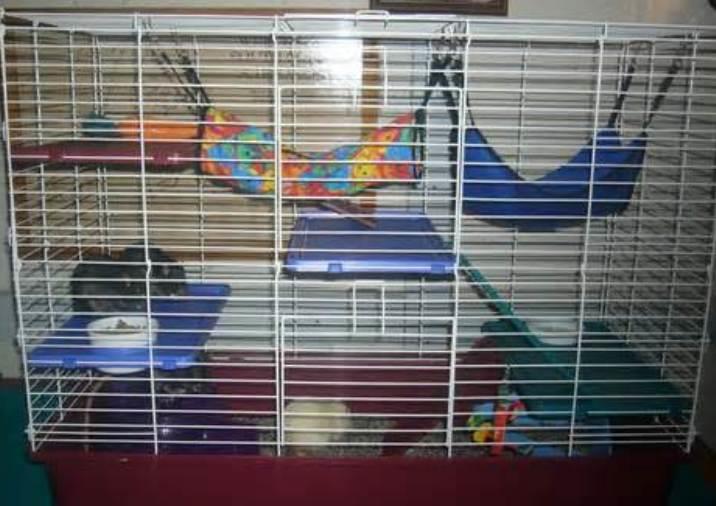
Pet rats are clever, sociable, and easy to keep happy once the basics are right, and the cage is the biggest of those basics. It is the one piece of gear your rats cannot pick for themselves, so the choices you make shape their days more than any toy or treat does. Get the core details right, safe bar spacing, strong airflow, solid footing, and genuine room to move, and most of the common problems never appear. Get them wrong and they tend to show up as escapes, sore feet, a room that smells of ammonia, or bored rats pacing at the door. None of it is complicated once you know what to look for.
What a Good Rat Cage Needs
A handful of features do most of the work, and they are all easy to check before you buy.
- Escape-proof bar spacing: small enough that a young or slim rat cannot slip through, and not so wide that a rat can get stuck.1, 4
- Excellent ventilation: wire-sided cages usually outperform tubs and solid-walled enclosures for airflow, which helps limit ammonia build-up from urine.1, 5
- Solid floors and safe shelves: wire mesh floors can injure feet and legs. If your cage has wire shelves, cover them or swap for solid platforms.2
- Enough usable space: not just a big footprint, but multiple levels, room to stand, and places to retreat and sleep away from the toilet area.3, 6
- Easy cleaning access: wide doors, removable trays, and surfaces you can wipe quickly, because frequent cleaning only happens when it is easy.1, 2
Types of Rat Cage
Most enclosures fall into three groups, and one of them is clearly ahead.
Wire cages
A sturdy wire cage with a deep base is the usual sweet spot: strong ventilation, plenty of climbing opportunity, and straightforward cleaning, provided the bar spacing is appropriate and there are no sharp edges or gaps around the doors.1
Plastic tubs and solid-sided enclosures
Solid-sided setups can look tidy, but airflow is often the limiting factor. Poor ventilation lets ammonia linger, which increases the risk of respiratory trouble and general stress. If you do use a tub-style enclosure, the ventilation must be generous and well designed, not just a small mesh panel in the lid.1, 2
Wooden cages
Wood absorbs urine, holds odour, and is difficult to disinfect properly. It also invites chewing and splintering. Veterinary guidance is clear that wood is not suitable for rat housing for these reasons.2
How Big Should a Rat Cage Be?
There is no single perfect number, because rats use volume and vertical space in a way that a simple "floor area per rat" figure does not fully capture. The most useful approach is to aim for generous space, then check that the layout actually gives them room to move and rest comfortably.7
As a reference point, the Australian minimum standards used for managed settings, such as rats in schools, specify:
- Floor space: at least 400 cm² per rat under 450 g, and 800 cm² per rat over 450 g
- Minimum height: 25 cm
- A hiding or nesting area and environmental enrichment are required
Those are minimums, not targets, and most pet rats benefit from noticeably more space and a more complex, multi-level layout.6, 8
Before you buy, run a quick usable-space check:
- Can an adult rat stand upright somewhere without hunching?
- Is there room to run a few steps and then climb, not just shuffle between shelves?
- Can they sleep away from the toilet area, in a separate hammock or box zone that stays clean?7
Bar Spacing, Doors, and Escape Points
Bar spacing is the detail that turns a big-cage bargain into an escape story. Australian welfare guidance recommends bar spacing no larger than 2.5 cm for adult rats, smaller for juveniles, while Australian rescue guidance commonly recommends around 1.25 cm or less, especially for young rats and smaller females.1, 4
Check the doors and corners too. A cage can have safe bar spacing on the walls but a wider gap at the top panel, around the hinges, or where a tray meets the frame.
Materials: What Is Safe, What Causes Trouble
The frame and fittings decide how long a cage stays safe.
Powder-coated metal with a solid base
Metal cages are durable and generally easiest to keep sanitary, as long as you avoid rust, chipped coating, and sharp edges. Rats climb constantly, and small burrs become foot injuries surprisingly quickly.1
Plastic components
Plastic trays and accessories are common, but keep an eye on chewing. Damaged plastic can create sharp edges, and any chewed corner that opens a gap becomes an escape route. Replace worn parts early rather than trying to get a bit more life out of them.1
Wire floors and wide wire shelves
Avoid wire mesh or grid flooring. It can injure feet and legs, and it does not stay clean in a way that matters to a rat's lungs. If your cage includes wire shelves, cover them with solid material and make sure the edges are secure.2
Setting Up the Cage
Rats do best when the cage has distinct zones: a dry nesting area, a toilet corner, and busy pathways for climbing and foraging. You are aiming for calm movement through the space, not a single flat platform where everything happens in one place.6
Essentials to include:
- At least one enclosed hide plus soft sleeping options such as hammocks and nesting material
- Multiple levels with safe ramps or climbing routes
- Chew items such as untreated wood blocks, to support dental wear and reduce cage-chewing
- A litter tray, since many rats take to a consistent toilet spot
- Foraging and enrichment such as scatter feeding, cardboard, and safe tunnels, to encourage natural exploration
Position the cage out of direct sun and drafts, in a spot with steady airflow and a stable temperature.5
Cleaning and Odour
A rat enclosure should not smell strong. A persistent ammonia odour is a ventilation and cleaning-frequency problem, not a "rats just stink" problem. Good ventilation and regular bedding changes reduce ammonia build-up, which matters because ammonia irritates the airways.1, 2
A simple rhythm keeps it under control:
- Daily: remove wet bedding patches, wipe obvious urine spots on shelves, remove any stashed fresh food, and refresh the water.
- Weekly, or more often if needed: wash the base, shelves, litter tray, and heavily used accessories with hot water and a pet-safe disinfectant, then replace the bedding.
Veterinary guidance notes that cages should be cleaned at least weekly and bedding changed at least twice weekly in many setups, with the goal of preventing ammonia build-up from urine.2
Common Mistakes When Choosing a Cage
- Buying by litres, not layout: a tall cage with poor access and awkward shelves can be harder to clean and less usable than a slightly smaller cage with wide doors and sensible levels.
- Ignoring bar spacing just for now: young rats and slim females can surprise you, and an escape can end badly in minutes.
- Choosing solid-walled enclosures for looks: airflow matters more than aesthetics for rat lungs.1
- Leaving wire floors in place: they seem practical until you see sore feet.2
- Over-cleaning with harsh products: strong scents and residues can irritate airways, so stick to pet-safe disinfectants and rinse well.
The Bottom Line
A good rat cage is a quiet piece of engineering: narrow enough to hold them, open enough to breathe, and roomy enough to let a small animal stay busy on its own terms. When the cage is right, the whole household notices, with less smell, fewer escapes, easier cleaning, and rats that spend their time climbing, nesting, and foraging instead of pacing at the door.1, 2
References
- RSPCA Australia Knowledgebase: Where should I keep my rats?
- Merck Veterinary Manual (Pet Owner Version): Providing a Home for a Rat
- RSPCA NSW: How to care for your rat
- Australian Rat Fanciers Society (Victoria): Cages
- Agriculture Victoria: Code of Practice (Climate control, ammonia and ventilation)
- FOUR PAWS Australia: How to design a habitat for rats
- National Research Council (2011): Guide for the Care and Use of Laboratory Animals (8th ed.), Chapter 4 (Environment, Housing, and Management)
- NSW Department of Education: Animals in Schools, Rats (environment)

Dog lover and writer at My Pets Australia, sharing practical breed guides and care advice for Australian pet owners.