Pet Rat Body Type
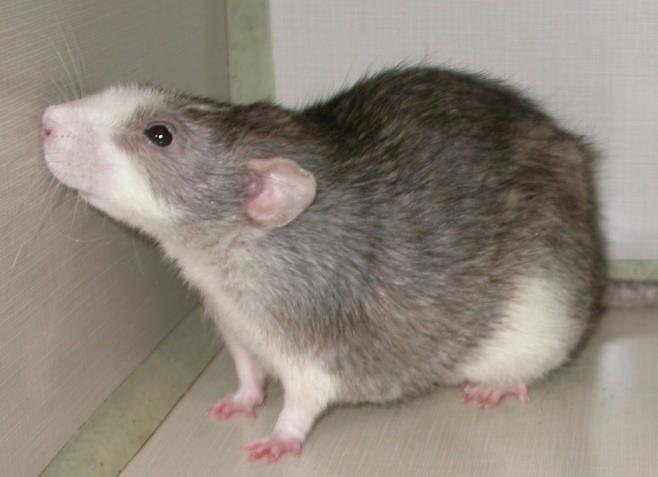
Pet rats come in a range of shapes, and "rat body type" is what most owners type into a search bar when they want to know if what they are looking at is normal. Some rats are long and fine-boned, others are compact and broad, and nearly all of them change shape as they age. The useful thing to know up front is that shape is a mix of genetics, sex, age, and daily conditions, and that small changes can carry real information. Extra weight can quietly worsen breathing trouble, and a "thin" rat can be hiding a chronic illness. The sections below separate true physical traits, like ear placement and coat type, from health changes, like weight loss or muscle wastage, so you can read your rat with a clearer eye.3, 4, 5
Three different things people call "body type"
Owners tend to fold several separate ideas into the one phrase. It helps to pull them apart before you start worrying.
- Physical variety: ear placement (top-eared versus dumbo), coat type (standard versus rex), colour and markings. These are mostly cosmetic and do not reliably predict personality.3
- Sex and maturity: adult bucks (males) are typically heavier and broader than does (females), with more obvious muscle and a heavier head and neck as they mature.3
- Body condition: whether your rat is underweight, overweight, or in a healthy range. This is where the health risks start to stack up.4
The varieties people call "body types"
Ear type: top-eared versus dumbo
Top-eared rats have ears set higher on the head. Dumbo rats have ears set lower and more to the side, which gives a broader, rounder head profile. Ear type does not make a rat more affectionate or more intelligent. Handling and social housing matter far more.1, 2
Coat type: standard versus rex
Standard coats lie flat. Rex coats are wavy or curled, often with curled whiskers too. Coat type is mainly a look-and-feel difference, and it is not a dependable guide to temperament.3
Hairless rats and why they need extra thought
Hairless rats are kept as companions in some homes, but the lack of fur changes the practical care. They generally need steadier warmth, gentler bedding, and closer skin checks, because scratches and dryness are easier to miss when there is no coat to read.3
Markings and patched patterns
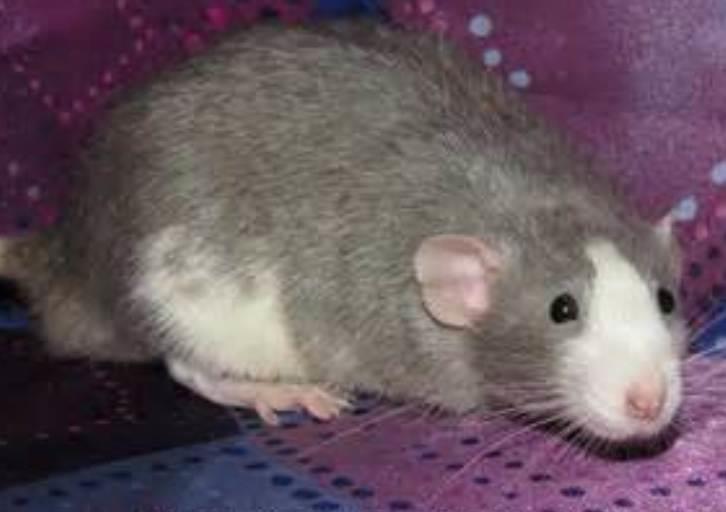
Markings, including patchy or hooded patterns, are coat colour traits, not a sign of being more playful or more social. Personality varies by the individual and by how the rat has been handled, housed, and bred.1
Male versus female: what to actually expect
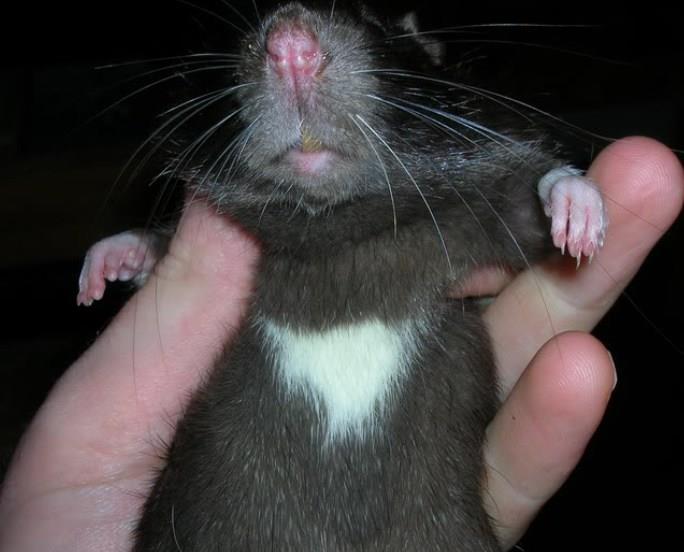
As they mature, male rats are usually heavier and more solid through the shoulders and neck, while females often keep a lighter, sleeker outline. These are normal sex differences, and they become more obvious after adolescence.3
What is not reliably true is the idea that females live longer because they "regulate body temperature better". Lifespan is shaped by genetics, disease, and husbandry, and both sexes can do well with good care and early treatment when problems appear.3, 5
What shapes a rat's build over time
Genetics and early growth
Size, head shape, and overall chunkiness have a strong genetic component. You can still see variety within a single litter, but family lines matter.
Diet, especially selective feeding
Diet changes body condition quickly. Seed mixes often let rats pick out the fattiest pieces and leave the balanced parts behind, which commonly leads to weight gain and nutritional imbalance. A formulated pelleted diet (rat blocks or cubes) is usually the steadier foundation, with small amounts of fresh food as extras rather than the main event.2
Housing, air quality, and respiratory disease
Rats are prone to chronic respiratory disease, and flare-ups are closely tied to the environment. Dusty bedding, irritating aromatic woods such as pine and cedar, and ammonia build-up from urine can all worsen the airways. Over time, breathing difficulty can change posture and body condition in subtle ways: a rat may move less, lose muscle, or gain weight as activity drops.4, 5
When "shape" is really a symptom
Overweight rats
A rat that is steadily rounding out, especially around the belly and chest, may simply be overfed, or may be eating normally but moving less because it is unwell. Obesity can limit exercise, strain joints, and make breathing problems harder to manage, so it is worth acting early rather than waiting for obvious distress.2, 5
Underweight rats or rapid weight loss
Weight loss, a drawn look over the hips, or a spine that suddenly feels sharp under the fingers is a reason for a prompt vet visit. Chronic respiratory disease, dental problems, and other illnesses can reduce appetite or make eating uncomfortable.5, 6
Red staining around the eyes or nose
Reddish staining around the eyes or nostrils is often porphyrin, not blood. It commonly appears with stress or illness and is frequently linked with respiratory disease. Treat it as a prompt to look closer at breathing rate, energy levels, and appetite, and contact a rat-savvy vet if it persists or comes with sneezing, clicking sounds, or laboured breathing.4, 5
What healthy condition tends to look like
- Movement: curious, steady, and willing to climb or explore, especially at dusk and through the night.6
- Breathing: quiet at rest, with no persistent clicking, wheezing, or obvious effort.5, 6
- Coat and skin: tidy, not persistently fluffed, with minimal scratching and no spreading bald patches or scabs.5, 6
- Body feel: a solid, well-covered frame, neither bony nor wobbling with fat over the ribs and hips.
Keeping your rat in a healthy shape
Feed for steadiness, not novelty
- Use formulated rat pellets or blocks as the base diet.
- Use fresh vegetables and small amounts of fruit as extras, not an open buffet.
- Avoid relying on seed mixes, especially if you notice selective eating and gradual weight gain.2
Make movement easy
Rats like to use height. A taller, well-set-up wire cage with ramps, hammocks, and safe climbing structure encourages natural movement. Daily supervised time outside the cage helps maintain muscle and keeps weight in check.3
Keep the air clean
Good ventilation, low-dust bedding, and regular cleaning to control ammonia build-up can all reduce respiratory irritation. If you are seeing repeated sneezing or porphyrin staining, review the bedding and cleaning routine as well as seeking veterinary advice.4, 5
Choosing a rat: what matters more than body type
If you are deciding between dumbo and top-eared, standard and rex, or a particular colour pattern, treat those as aesthetic choices. The bigger welfare levers are these.
- Social housing: rats are social and do best in pairs or small same-sex groups, introduced thoughtfully.1
- Breeder or rescue standards: clean housing, calm handling, and a transparent health history.
- Early attention to symptoms: respiratory noise, weight changes, and porphyrin staining are common first whispers of trouble.5, 6
The Bottom Line
Pet rats do not come with a single ideal silhouette. Some are naturally long and fine-boned, others compact and broad, and most change shape with age. What stays consistent is the pattern to watch for: stable weight, easy breathing, clean eyes and nose, and a body that still wants to climb. When the shape changes quickly, rounding, thinning, or hunching, it is usually worth treating that as a health clue rather than a quirky "type".5, 6
References
- RSPCA (UK), Keeping pet rats together (company and introductions)
- RSPCA Knowledgebase (Australia), What should I feed my rats?
- Blue Cross, Caring for your rat (housing and general care)
- RSPCA Knowledgebase (Australia), What are common health problems in rats?
- Merck Veterinary Manual (Pet Owner Version), Disorders and diseases of rats
- Merck Veterinary Manual (Pet Owner Version), Routine health care of rats

Dog lover and writer at My Pets Australia, sharing practical breed guides and care advice for Australian pet owners.