Pet Mice Food - Feeding your Pet Mouse
Feeding a pet mouse well is straightforward once you get the balance right. The base is a formulated mouse pellet or cube, with small amounts of fresh vegetables for variety and treats kept genuinely occasional. Most feeding problems come not from choosing the wrong brand but from letting a mouse pick its favourite bits and leave the rest, which slowly leads to weight gain and missing nutrients. Get the staple right and the fussiness mostly takes care of itself. The guidance below is geared to what is commonly available in Australia and to the way mice actually eat.1, 2
What a pet mouse needs from food
Pet mice are omnivores. They do best on a diet that consistently provides enough protein, essential vitamins and minerals, and safe fibre, without relying on individual bits they can sort through and pick around.2
In practice a formulated mouse pellet or cube should make up most of the diet, with fresh vegetables and tiny amounts of fruit offered for interest, not as the foundation.2, 3
Why pellets or cubes matter
Formulated mouse foods are designed to be complete, so each mouthful is broadly similar. That is their main advantage over seed mixes. Mice commonly cherry-pick the fattiest, tastiest items and leave the rest, which can lead to obesity and dietary imbalance over time.2
Chewing is a nutritional issue too
Mice have continuously growing incisors and need regular chances to gnaw. A diet and setup that encourages chewing helps prevent dental overgrowth and supports normal behaviour. Pellets and cubes help, but chewing enrichment such as safe wood and chew items also matters.4
Choosing a staple food
Choose a good-quality pellet or cube formulated specifically for mice, or for mice and rats, stored properly and used before its best-before date. Avoid using rabbit or guinea pig pellets as a stand-in, because they are not balanced for mice.4
What to look for on the label
- Formulated pellets or cubes as the staple, rather than a muesli or seed mix.2
- Protein and fat in a sensible range. As a guide, RSPCA Victoria notes pellets and cubes should have at least 16% protein and around 4 to 5% fat. The RSPCA knowledgebase notes a typical target of about 14 to 16% protein and roughly 5% fat for adult mice, with higher protein needs for breeding animals.1, 2
Where seed mixes fit
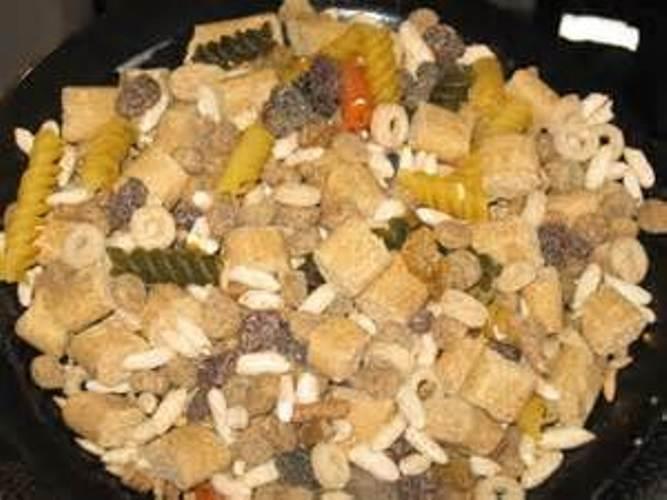
Seed and grain mixes are often marketed for mice, but they are easy to overfeed and easy for mice to sort. If you use them at all, treat them as occasional enrichment rather than a staple diet.1, 2
Fresh foods and how to supplement safely
Fresh foods add variety and can encourage natural foraging. Keep portions small and remove leftovers promptly so they do not spoil in the bedding. Fresh foods should stay within roughly 10% of the overall diet.2, 3
Good everyday choices
Offer small amounts of vegetables more often than fruit. Dark leafy greens and non-starchy vegetables are common go-tos.2
- Vegetables and greens (small amounts): bok choy and other Asian greens, parsley, kale, beet greens, broccoli, green beans, carrot, zucchini.2
- Fruit (treat-sized amounts): apple, berries, kiwi, infrequently.2
Food hygiene basics
- Only offer fresh food that is clean and free from mould or spoilage.1
- Introduce new foods gradually to reduce the risk of gut upset.1
- Serve at room temperature and remove uneaten fresh food the same day.
Treats and snacks: keep them small and rare
Treats work best as enrichment, something to search for, nibble and carry, rather than a daily extra meal. A practical ceiling is under 10% of total intake, and many mice do better with less.2, 3
Treat ideas that suit mice
- Small amounts of cereals, grains, seeds, bread, cooked pasta or rice, only occasionally.1
- Seeds, nuts, pasta or a wholegrain cracker as infrequent treats, about 1 to 2 times a week.3
Foods best avoided
Some people foods are risky for many pets and are best kept out of a mouse's enclosure altogether, especially anything sugary, salty, sticky or strongly seasoned. The RSPCA also advises avoiding foods considered harmful for cats and dogs, listing examples such as chocolate, grapes and raisins, avocado, garlic, onion, coffee, tea and alcohol.2
- Chocolate and caffeine products6
- Grapes and raisins6
- Onion, garlic and related allium vegetables6, 7
- Alcohol6
- Sticky foods that can lodge in the mouth, a choking risk2
Water: simple, constant, checked daily
Provide fresh, clean water at all times. Water bottles are often cleaner than bowls, because bowls quickly fill with bedding and droppings. Bottles still need checking to make sure they are not blocked or leaking, and having more than one bottle is a sensible backup.2
Feeding through life stages
Mice do not eat like clockwork. They are largely nocturnal, with most food and water intake happening overnight, so it is normal to see more activity at dusk and through the night.2
Young, growing mice
Growing mice need a reliable staple diet that meets their nutritional requirements. If you are unsure whether a mouse food is suitable for youngsters, check the label and confirm with a vet, especially if the mouse is still very small or newly weaned.3
Adult mice
For most adults, pellets and cubes remain the base diet, with small amounts of vegetables and very small, infrequent treats. This pattern helps limit selective feeding and weight gain.2, 3
Pregnant, breeding or unwell mice
Breeding animals often require higher protein levels than typical adults. For any pregnant or unwell mouse, it is worth speaking with an experienced vet early. Small animals can deteriorate quickly, and appetite changes can be an early warning sign rather than a minor quirk.2, 3
Common feeding mistakes and what to do instead
Relying on a seed mix as the main diet
Seed mixes encourage best-bits eating. Over time that can mean excess fat intake and missed micronutrients.1, 2
Do instead: make pellets or cubes the staple, and use seeds as occasional enrichment.2
Too many treats because they are small
With a mouse, a fingernail-sized portion can be a meaningful amount of food. Treat creep is easy.3
Do instead: keep treats under 10% of the diet, and offer them a couple of times a week at most.2, 3
Not removing fresh leftovers
Fresh food spoils quickly in warm, damp bedding, and mice will still investigate it. That is how stomach upsets start.
Do instead: offer small portions, remove leftovers the same day, and keep water sources clean.2
Forgetting the gnaw requirement
Diet is part nutrition and part behaviour. A mouse that cannot chew enough is set up for problems.4
Do instead: provide a proper staple diet plus safe chew opportunities, and watch for signs of dental trouble such as drooling, dropping food and weight loss.4
References
- RSPCA Victoria, Caring for pet mice and rats
- RSPCA Knowledgebase, What should I feed my mice? (Updated 15 August 2024)
- VCA Animal Hospitals, Feeding Rodents
- RSPCA Knowledgebase, How should I care for my mice?
- RSPCA Knowledgebase, What should I feed my rats?
- ASPCA, People Foods to Avoid Feeding Your Pets
- Morris Animal Foundation, Harmful and Toxic Foods for Dogs and Cats
- American Humane Society, Pets and Poisons

Dog lover and writer at My Pets Australia, sharing practical breed guides and care advice for Australian pet owners.