Pekingese Dogs: A Comprehensive Guide to This Regal Breed
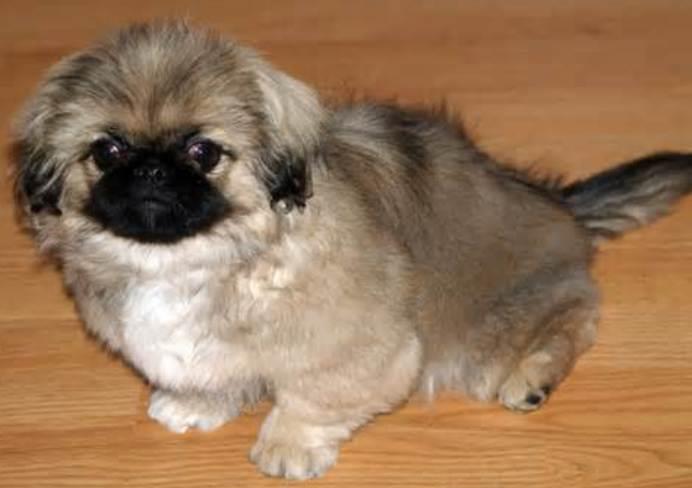
The Pekingese is a small companion dog with a lion-like mane, a flat face, and the settled, dignified manner of a breed that spent centuries beside Chinese royalty. They are deeply affectionate with their own people, content in a quiet home, and happy with short outings rather than long runs. That compact, flat-faced build is also the catch, because it brings grooming, eye care, and breathing and heat risks that an owner has to manage on purpose. For the right household they are lovely, low-key company. This guide covers what a Pekingese is actually like to live with, from temperament and grooming through to the health issues worth taking seriously.
History and Origin
The Pekingese was shaped by palaces. It developed in China as a companion dog closely tied to imperial life, and its stylised lion dog look echoes the traditional guardian lion imagery found across Chinese art and architecture.2
A well-known turning point for the breed in the West came after the 1860 looting of the Old Summer Palace (Yuanmingyuan) during the Second Opium War, when a handful of dogs were taken to Britain. One was presented to Queen Victoria and became known as "Looty".8
Appearance and Physical Characteristics
A Pekingese is compact, low to the ground, and surprisingly solid when you lift one. This is a toy breed, standing roughly 15 to 23 cm (6 to 9 inches) at the shoulder, with an ideal weight in the breed standard of up to about 5 to 5.4 kg.1
A mane-like ruff frames the head and shoulders, with long feathering on the ears, legs, tail, and feet. The coat is moderately long and straight, with a coarse top coat over a thick, soft undercoat. It is meant to be abundant, but not so excessive that it hampers movement or hides the dog's shape. Colours and markings are broad-ranging, and in the breed standard all colours and markings are permissible, with a few specific exclusions such as liver and merle noted in some standards.1
Temperament and Personality
Pekingese move through the house like small, self-possessed observers. They are often deeply attached to their family, but not always fussed about attention from strangers, and many will alert-bark before returning to whatever comfortable spot they were guarding.2 They are not a busy breed. Expect short bursts of play followed by long stretches of stillness, especially in warm weather or after a walk.
Children and other pets
A well-socialised Pekingese can do fine in a family, but they are usually best with calm, respectful handling. Because they are small and their eyes are prominent, rough play is a poor match. Supervise interactions with younger children, and teach kids to avoid grabbing, squeezing, or letting the dog jump from heights. With other animals, early introductions and steady, low-pressure socialisation matter. Some Pekingese are indifferent, others are assertive, so keep early meetings short and positive.
Is a Pekingese Right for You?
A Pekingese suits households that like quiet company, predictable routines, and indoor living with short, gentle outings. They are often happiest with someone who does not mind brushing, who notices small health changes early, and who takes heat management seriously. If any of that sounds like a chore rather than part of the deal, this is probably not your breed.
If you are choosing a puppy, prioritise breathing and overall soundness over extremes of face shape and coat. Ask about the parents' breathing tolerance, exercise tolerance, and any history of airway surgery or eye disease.
Training and Exercise
Pekingese do not need long runs, and pushing them to is a mistake. They do better with gentle, routine movement, short walks, sniffing time, and play that does not tip into heavy panting. Because they are brachycephalic, their ability to cool themselves can be limited, especially during exercise or in warm, humid conditions. Heat management is not optional, it is part of basic care.4, 5
Practical heat-safety habits
- Walk in the cooler parts of the day, and keep sessions short in summer.4
- Use a harness rather than a collar to reduce pressure around the neck and airway.4
- Keep body weight lean, since extra weight increases breathing workload and heat risk.4
- Know your dog's normal breathing sounds so you notice changes early.
On training, Pekingese can learn quickly, but they are not famous for doing things just because they are asked. Keep sessions calm and brief, with clear boundaries and rewards that matter to the dog, whether that is tiny treats, a toy, or a favourite spot on the sofa. Harsh corrections tend to backfire, so aim for consistency, low drama, and simple routines, especially for toileting and polite walking.
Health and Lifespan
Pekingese commonly live around 12 to 14 years, sometimes longer with good care.3 The health picture is dominated by one fact: they are brachycephalic. That flat face is part of their charm, but it can also mean narrowed nostrils, an elongated soft palate, and other upper-airway changes that reduce airflow and make cooling less efficient. In more serious cases dogs may struggle with exercise, excitement, and hot weather, and some benefit from veterinary assessment and, when appropriate, surgical correction.5, 7
Signs a Pekingese may be struggling to breathe or cope with heat
- Very noisy breathing at rest, or worsening snoring and stertor
- Exercise intolerance, such as stopping early, sitting down, or refusing to move
- Retching or regurgitation linked to excitement or activity
- Gums or tongue looking bluish, or collapse, which is an emergency
If you see collapse, blue gums, or severe distress, seek emergency veterinary help immediately. BOAS and heat illness can become life-threatening quickly.5
Other common problems to watch for
Eyes: Prominent eyes are more exposed to injury and corneal ulcers, and even small scratches can become painful ulcers.6 Treat squinting, redness, discharge, or sudden sensitivity to light as urgent, because eye problems can escalate fast in breeds with prominent eyes.
Joints: Small breeds can be prone to issues such as patellar luxation, where the kneecap slips. Keep nails trimmed, keep weight down, and limit jumping off furniture.
Grooming and Care
That lion-dog coat is a maintenance relationship, not a one-off. Brush several times a week to prevent mats and to lift out dead undercoat, and pay close attention behind the ears, under the elbows, and around the tail, where tangles form quietly.1
Keep the face area clean and dry. For many Pekingese, careful daily wiping around the eyes helps prevent staining and irritation. Combine that grooming routine with the eye checks noted above, since a clean, dry face is easier to inspect for early trouble.6
A Few Things Worth Knowing
- One of the first Pekingese in Britain, "Looty", was presented to Queen Victoria after the breed reached the West in 1860.8
- This is a true toy breed, ideally up to about 5 to 5.4 kg in the standard.1
- A harness beats a collar for a flat-faced dog, because it keeps pressure off the airway.4
- They are bold and affectionate with their own people, and often reserved with strangers.2
The Bottom Line
A Pekingese is a calm, loyal, dignified companion that asks for very little exercise and a great deal of attention to detail. The coat needs regular brushing, the eyes need watching, and the flat face means heat and breathing must be managed year-round rather than left to chance. Go in with clear eyes, choose a puppy bred for sound breathing over an extreme look, and you will have easygoing indoor company for well over a decade.
References
- Dogs NSW (ANKC). Pekingese breed standard
- American Kennel Club (AKC). Facts about the Pekingese
- WebMD. What to know about Pekingese
- RSPCA. How to care for a flat-faced dog
- University of Cambridge. BOAS: recognition and diagnosis (including heat intolerance)
- Merck Veterinary Manual (Dog Owners). Corneal ulcers in dogs
- Merck Veterinary Manual (Professional). Initial triage and resuscitation of small animal emergency patients (airway obstruction; BOAS listed)
- Encyclopaedia Britannica. Pekingese

Dog lover and writer at My Pets Australia, sharing practical breed guides and care advice for Australian pet owners.