Peach Faced Lovebirds as Pets
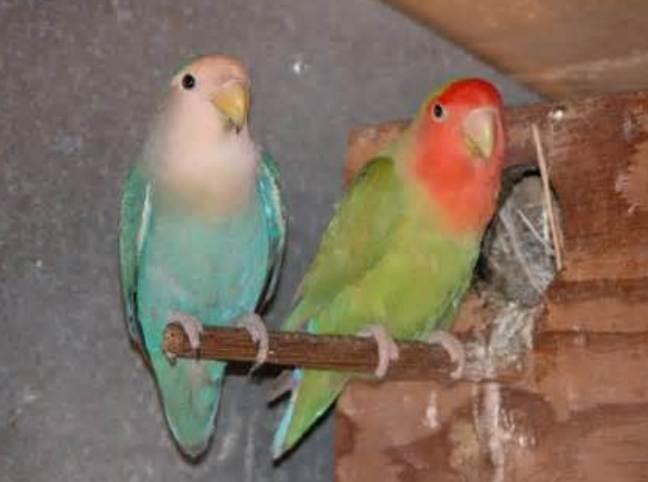
The Peach-faced Lovebird, also called the Rosy-faced Lovebird, is a small, brightly coloured parrot that packs a lot of personality into a 15 centimetre frame. People are drawn to them for good reason: they are confident, curious, endlessly busy, and a well-socialised one makes genuinely engaging company. They are also legal to keep across most of Australia, though some states require you to hold or record ownership, so it is worth checking your state wildlife authority before you buy. The catch is that a lovebird is a proper parrot in a tiny body, and it needs daily structure to stay healthy and happy. Give it that, and it will stay curious for years.
Quick profile
- Species: Peach-faced (Rosy-faced) Lovebird (Agapornis roseicollis)
- Adult size: around 15 to 18 cm long, typically about 40 to 60 g (varies by individual and condition)1
- Typical lifespan (pet care): commonly 15 to 25 years in captivity1
- Temperament: social, busy, often bold, can become nippy if rushed or bored
- Noise: sharp contact calls and squawks are normal, especially mornings and late afternoons
- Daily needs: flight time, foraging toys, fresh foods, and steady handling and training
History and Origin
In the wild, Peach-faced Lovebirds move in small flocks and spend much of the day travelling, climbing, and feeding across a landscape that shifts with the seasons and the availability of seed.1 That flock wiring is the whole animal. In a home it shows up as constant motion: quick feet on the cage bars, beak-first investigation of anything new, and a strong pull towards a trusted companion, whether that is a person or another bird.
Appearance and Physical Characteristics
These are compact birds, roughly 15 to 18 cm long and usually around 40 to 60 g, with the exact weight varying between individuals and with condition.1 The wild colouring pairs a green body with the peach to rosy face that gives the bird its name. They are small enough to be injured by accidental squeezing, which matters a great deal when handling comes into it.
Temperament and Personality
A lovebird is bold, sociable, and rarely still. They can learn simple behaviours such as step-up, targeting, and recall in a safe room, and many enjoy gentle contact. It is best to treat that affection as something you earn through predictable, kind handling rather than something guaranteed by the name on the label. A bird that is rushed or bored can turn nippy, and a lovebird will defend itself with a sharp bite if it feels cornered.
Is a Peach-faced Lovebird Right for You?
For the right household, yes, but go in clear-eyed. This is not a decorative cage bird. It is a small, fast-moving parrot that thrives on routine, good food, and daily interaction, and can live 15 to 25 years, so it is a long commitment.1 Sharp contact calls and squawks are normal, so it suits homes that can tolerate some noise.
Many lovebirds live well in families, but the match depends on the child's patience and the adults' routines. The birds are small enough to be hurt by rough handling and bold enough to bite when cornered, so supervision is not optional.
- Supervise handling: teach children to offer a finger perch rather than grabbing.
- Respect the bird's signals: backing away, leaning forward with an open beak, a pinned posture, or repeated warning calls.
- Build safe habits: no lovebird out when people are rushing around, doors are opening, or the kitchen is active.
Care and Housing
Think of the cage as a base camp rather than a container. The larger the flight space, the easier it is to keep weight stable, reduce frustration, and protect feathers and feet from wear.
Cage essentials that matter day-to-day
- Width over height: choose a cage that allows short, direct flights and full wing stretches without hitting the bars.
- Safe bar spacing: small parrots need narrow spacing so heads and shoulders cannot slip through.
- Perches with variety: use different diameters and textures, with natural branches being useful, to reduce pressure points.
- Foraging and shredding toys: rotate them. Lovebirds are persistent chewers, and a bored bird will invent its own projects.
- Quiet sleep window: darkness and calm for a solid overnight rest supports behaviour and resilience.
Place the cage away from draughts and kitchen fumes. Bird lungs are efficient and sensitive, and smoke, aerosols, and overheated non-stick fumes can be dangerous in a way many new owners underestimate.
Exercise and enrichment
A Peach-faced Lovebird is built to move, and in the wild it travels and climbs constantly, with recorded fast flight speeds when conditions call for it.1 Daily flight time is not a luxury.
- Out-of-cage time: daily, in a bird-safe room with windows covered, fans off, and doors secured.
- Foraging: hide part of the daily ration in paper, clean cardboard, or purpose-made foraging toys.
- Chewing outlets: soft wood, paper ropes, and palm leaves, rotated to keep interest high.
Training and taming
Training works best when it is quiet and consistent. A lovebird that steps up reliably is easier to move safely, easier to check for health problems, and less likely to be grabbed when something goes wrong.
- Go at the bird's pace: keep sessions short and end while it is still going well.
- Reward the moment: a tiny seed or favourite morsel can be powerful.
- Avoid chasing: it teaches the bird that hands are something to escape.
Diet and Nutrition
Here is where good intentions most often go wrong. Lovebirds will happily eat a seed-heavy diet, but eating enthusiastically and being well nourished are not the same thing. Welfare and veterinary sources recommend a formulated diet (pellets) as the base, with vegetables making up a substantial share, and seed used as a limited treat rather than the main meal.7
A practical daily pattern
- Base diet: quality formulated pellets, available throughout the day.7
- Fresh vegetables: offered daily, with dark leafy greens and colourful veg being especially useful.6, 7
- Fruit: small amounts, treated as a supplement rather than a staple.7
- Seeds and nuts: measured treats for training and enrichment, not free-feed.6, 7
- Calcium source: a cuttlebone or mineral block can be offered, and individual needs are worth discussing with an avian vet, especially for laying hens.
One clear warning: avocado is toxic to birds and should never be offered.8
Switching from seed to pellets without starving the bird
Diet change is often where new owners stumble. Lovebirds can be suspicious of unfamiliar foods, and some will pick around pellets for days if given the chance. Slow transitions, careful weighing, and veterinary guidance are the safest approach, especially if your bird is underweight, unwell, or you are unsure what it was eating before.8
Health and Lifespan
Peach-faced Lovebirds commonly live 15 to 25 years with good care, but they hide illness well.1 By the time a small parrot looks obviously unwell, it can already be seriously sick. An avian vet check soon after purchase, and then routinely, gives you a baseline weight and exam findings to compare against later.
Problems often discussed in pet lovebirds
- Obesity and fatty change: commonly linked to seed-heavy diets and low activity, and largely preventable with a balanced diet and daily movement.7
- Respiratory disease: can be triggered or worsened by irritants, poor ventilation, and infection.
- Psittacosis (Chlamydia psittaci): can infect birds and is zoonotic, meaning it can spread to humans, usually via inhalation of contaminated dust from dried droppings or respiratory secretions.2, 3
- Psittacine beak and feather disease (PBFD): a highly infectious circovirus affecting parrots. Prevention and biosecurity are critical because there is no effective cure and the virus can persist in the environment.4
When to treat it as urgent
- Fluffed up and quiet for more than a short rest
- Breathing with effort, tail bobbing, or open-mouth breathing
- Not eating, or a sudden drop in weight
- Droppings that change dramatically and stay changed in volume, colour, or consistency
- New weakness, falling, or sitting low on the perch
If psittacosis is suspected in a household, treat it seriously. It can cause respiratory disease in people, and medical advice is warranted alongside avian veterinary care.2, 3
A Few Things Worth Knowing
- Lovebirds are strongly bonded animals and prefer being near a trusted companion, human or bird.
- They are persistent chewers, so give them safe things to destroy or they will find their own.
- Ownership rules for pet birds can vary by state, so check your state wildlife authority if you are unsure.
- Avocado, smoke, aerosols, and overheated non-stick cookware are all genuine household hazards for birds.
The Bottom Line
A Peach-faced Lovebird is a small, fast-moving parrot that thrives on routine, good food, and daily interaction. Provide steady, practical care and you will likely find a companion that stays curious for years, always watching, always listening, and ready to climb towards whatever you are doing next.1
References
- Animal Diversity Web (University of Michigan), Agapornis roseicollis (Rosy-faced lovebird)
- Merck Veterinary Manual, Bacterial Diseases of Pet Birds (includes chlamydiosis/psittacosis)
- Merck Veterinary Manual, Avian Chlamydiosis (zoonotic risk and overview)
- Australian Government (DCCEEW), Psittacine beak and feather disease (PBFD)
- Australian Government (DCCEEW), Psittacine circoviral (beak and feather) disease (key threatening process)
- Bird Vet Melbourne, Caring for Lovebirds (diet and care overview)
- RSPCA Australia Knowledgebase, What should I feed my birds?
- Texas A&M University College of Veterinary Medicine, Bird nutrition (pellets, produce, avocado warning)

Dog lover and writer at My Pets Australia, sharing practical breed guides and care advice for Australian pet owners.