Paso Fino Horses
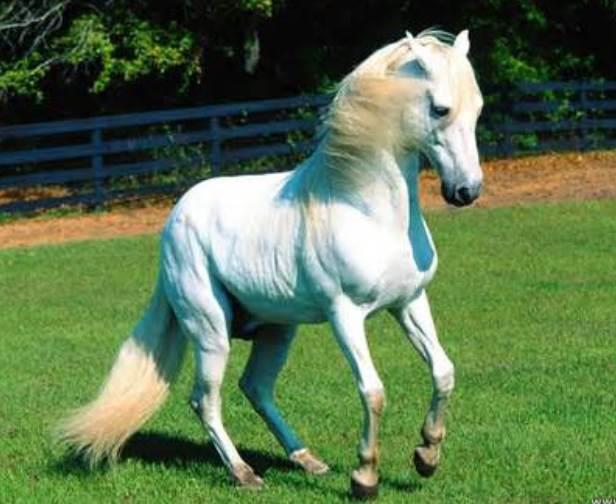
The Paso Fino is a naturally gaited riding horse from the Caribbean and Latin America, prized for one thing above all: a smooth, even, four-beat gait that lets a rider cover distance without the pounding of a normal trot. Centuries of selection shaped that rhythm into the breed, so it is innate rather than trained in. For trail riders, people returning to the saddle, or anyone managing old injuries, that comfort is the whole appeal. It is also a compact, hardworking horse with an alert, people-oriented nature. None of that makes it low-maintenance, and the gait only stays clean when the basics are right.
History and Origin
The modern Paso Fino traces back to horses brought to the Caribbean during Spanish colonisation, then developed in places such as Puerto Rico and Colombia into a compact riding horse that could cover ground smoothly for hours.1 Over generations, breeders selected hard for the comfortable lateral gait and the ability to hold cadence without rushing. That sustained selection pressure is one reason the gait is so consistently present in the breed today.1
Appearance and Physical Characteristics
Paso Finos stand roughly 14 to 15.2hh and come in a wide range of coat colours, since colour is not a defining feature of the breed.3 The defining trait is movement, not looks: an evenly spaced four-beat lateral gait performed at different speeds.4
Unlike horses taught a manufactured way of going, the Paso Fino does not need to be schooled into its gait. The rhythm typically appears from a young age and is then refined with correct riding and conditioning.4, 5 Each hoof lands independently in a steady 1, 2, 3, 4 beat, and because there is minimal up-and-down movement through the back and croup, riders often describe the feel as gliding rather than sitting a trot.4
Temperament and Personality
Paso Finos are usually described as alert, responsive, and people-oriented. Under saddle many are forward-moving and sensitive to light aids, which is a real asset when they are paired with a calm rider and clear, consistent handling.3 That sensitivity cuts both ways: a tense or heavy-handed rider tends to get a tense horse back.
Is a Paso Fino Right for You?
If you want comfort over distance and you ride quietly, this breed earns its reputation. If you are impatient in the saddle or want a low-sensitivity plodder, look elsewhere. The individual horse matters far more than the breed brochure, so when you are shopping, pay attention to a few concrete things:
- how the horse behaves at the mounting block and on a loose rein
- whether the gait stays even when the horse is relaxed, rather than being held together
- soundness, feet quality, and the horse's history of work and management
Training and Exercise
Good Paso Fino riding looks quiet. The rider sits balanced, keeps light rein contact, and asks for changes with subtle seat and leg aids rather than constant pressure.4 Sessions work best when they are consistent and not overly long, and many horses respond well to clear timing and release: ask, get the try, then soften.
Within the natural four-beat gait there are three recognised speed variations. The horse holds the same steady rhythm while changing how much ground it covers with each step.4, 2
- Classic Fino: very slow forward movement, highly collected, with rapid footfall. Mostly a show-ring gait.4
- Paso Corto: moderate, ground-covering speed often used for general riding and trail work.4
- Paso Largo: the fastest expression of the gait, with a longer stride and more reach while keeping the same even beat.4
Like any horse, Paso Finos also walk and canter or lope, and a well-trained one should transition cleanly between gaits without tension.4 If the gait becomes uneven, pacey, or rushed, that is usually a sign of tension, fatigue, discomfort, or confusion rather than attitude. Check the basics first: tack fit, feet, teeth, and workload.
The breed's low-bounce gait makes it a natural fit for riders who want distance without soreness. In Australia and anywhere with long trails, you will most often see Paso Finos used for trail and pleasure riding, which is their bread-and-butter role, along with breed and open showing including gait classes, and driving or general pleasure work depending on the individual horse's training and temperament.4
Health and Lifespan
Paso Finos do not need exotic management. They benefit from the same steady care that keeps any riding horse sound: forage-first feeding, consistent hoof care, dental checks, and a vaccination plan suited to your region and risk profile.
Regular hoof trimming is not optional, even for unshod horses. As a general guide, unshod horses may need trims around every 6 to 8 weeks, depending on growth, terrain, and workload.6
Dental checks matter because discomfort in the mouth can quietly unravel training and way of going. NSW DPI guidance suggests horses aged 2 to 5 have a dental examination before starting work or at around 6-monthly intervals, and from 5 years, at least annually.6
For vaccination, talk to your vet about what suits where you live and how your horse mixes with others. In Australia, many veterinary services commonly recommend routine vaccination against tetanus and strangles, with Hendra virus vaccination considered in risk areas and situations.7
Grooming and Care
The Paso Fino's characteristic lateral gait is strongly heritable. That does not remove the need for training, but it explains why a well-bred horse can show the basic rhythm early and then build strength and balance with correct work.1 If you are buying a young horse, look for a calm, regular 1, 2, 3, 4 beat at an easy forward pace. Purity of rhythm and comfort to ride matter more than flashy movement.
A Few Things Worth Knowing
- The gait is innate, not manufactured, and usually appears young.4
- Coat colour is not a breed-defining feature; movement is.3
- Specific "most famous" Paso Finos vary by country and show circuit, and the details are easy to muddle without official records. If you are researching bloodlines, start with the horse's registration papers and the breed association's results archives rather than lists repeated online.8
The Bottom Line
A good Paso Fino moves like a metronome: quiet, even, and remarkably easy to sit. When the basics are right, meaning feet, teeth, tack, and calm training, the natural gait does most of the work and long rides stop feeling like something you have to brace for. Get those fundamentals wrong and the same sensitivity that makes the breed a pleasure will show up as a rushed, uneven ride instead.
References
- Paso Fino (history and development overview), Wikipedia
- Ambling gait (Paso Fino gait variations), Wikipedia
- Breed Standard, Paso Fino Horse Association (PFHA)
- The Gaits, Paso Fino Horse Association (PFHA)
- The Paso Fino Horse (gait described as natural; general breed notes), EquiSearch
- Caring for horses (teeth checks and hoof-trimming guidance), NSW Department of Primary Industries
- Equine vaccinations (tetanus, strangles, Hendra overview), Tropical Vets (Australia)
- Paso Fino Horse Association (PFHA), Official site

Dog lover and writer at My Pets Australia, sharing practical breed guides and care advice for Australian pet owners.