Other Aspects of Fish Tank Water Management
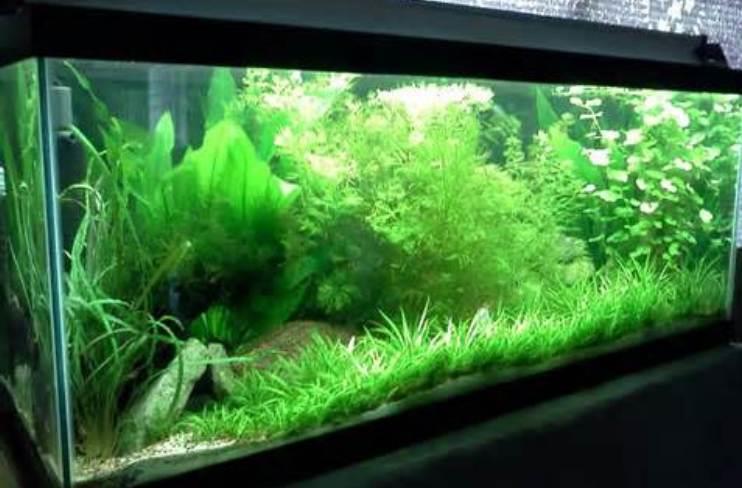
An aquarium is a closed box of water, and once fish are living in it the water becomes the single most important thing you manage. Get it stable and most other problems fade into the background. This guide covers the parts of water management that sit alongside the basics: temperature and oxygen, the nitrogen cycle, filtration, algae, and the handful of products that are actually worth using. The theme throughout is simple. In a small volume of water, small changes travel fast, so steady beats perfect.
Start with stability: temperature, oxygen, and flow
Fish cope far better with steady conditions than with perfect numbers that swing around. Temperature is the quiet driver in the background: it affects fish metabolism, dissolved oxygen, and how quickly waste breaks down. Use a heater sized for your aquarium if you keep tropical species, and a thermometer you actually check. Position the filter outlet so it ripples the surface, because surface movement drives oxygen exchange, and oxygen keeps both the fish and the bacteria in your filter media alive.1, 2
Quick temperature checks
- Check daily when the seasons change or the room is being heated or cooled.
- Avoid big swings. Sudden changes are often more stressful than a slightly wrong but stable temperature.2
- Do not trust tiny bowls to hold temperature steady. They fluctuate too easily and are hard to filter well.3
Water chemistry: what to measure (and what not to obsess over)
There is no single ideal range that suits every aquarium. pH and hardness should match the species you keep, but stability matters more than chasing a universal target with constant additives. A common mistake is treating pH as the main problem when the real issue is usually waste management (ammonia and nitrite), overfeeding, or a filter that has been cleaned too aggressively.
What to test routinely
- Ammonia and nitrite, especially in new tanks, after filter problems, or after adding fish.
- Nitrate, to track waste build-up over time and guide how often you change water.
- pH, mainly to catch sudden shifts and to match species needs.
The nitrogen cycle: the engine room of water quality
Fish release waste constantly, and left alone that waste becomes ammonia, which can harm fish even at low levels. In a healthy aquarium, colonies of bacteria live on surfaces, especially inside the filter media, and convert the waste through two steps:
- Ammonia to nitrite (still toxic).
- Nitrite to nitrate (less toxic, managed with water changes and plants).
This biological filtration takes time to establish in a new tank, often weeks rather than days, and it relies on good oxygenation and a working filter.1, 4
During cycling: what normal looks like
In the first month or so, it is common to see ammonia rise first, then nitrite, then nitrate. One widely cited window for a tank to become fully cycled is around 4 to 6 weeks, though it varies with temperature, stocking, and filter maturity.4
Practical testing rhythm for new tanks
- First 6 weeks: test ammonia and nitrite every 2 to 3 days, more often if anything looks wrong.4
- Once established: test every 1 to 2 weeks, and after any change to stocking, feeding, or filtration.4
Filtration and cleaning: keep the bacteria, remove the waste
Most dirty-water problems come from a mismatch between waste going in (stocking and feeding) and waste being processed (filtration and maintenance). Good filtration does two jobs at once: it traps debris (mechanical filtration) and houses the bacteria that run the nitrogen cycle (biological filtration).1
A routine that works in most freshwater tanks
- Partial water changes: 10 to 25% weekly is a solid baseline, adjusted for stocking and feeding.1
- Gravel cleaning: use a siphon to lift out settled waste during water changes.1
- Filter care: rinse media gently in a bucket of tank water when it clogs. Avoid tap water, which can harm the beneficial bacteria.1
Avoid reset cleans where everything gets scrubbed at once. That can strip out the biofilter and trigger an ammonia spike.
Algae control: treat the cause, not the colour
Algae is usually a symptom of excess light, excess nutrients, or both, and you rarely need drastic treatments.
- Light: shorten the photoperiod and keep direct sun off the glass.
- Feeding: cut back if food is hitting the substrate uneaten.
- Maintenance: keep up steady partial water changes and gravel cleaning.
- Wipe, do not dose: clean algae from the glass with an aquarium-safe sponge or magnetic cleaner. Never use soap or detergents.1
Water conditioners and supplements: use sparingly and on purpose
Most tanks need far fewer additives than the labels suggest. The one product that is consistently useful for many households is a water conditioner that neutralises the disinfectants in tap water. Australian drinking water commonly uses chlorine and, in some systems, chloramine, a longer-lasting disinfectant. Both are harmful to aquarium animals, so treat new water before it goes into the tank, following the product directions.5, 6
If you are adjusting pH or hardness, do it for a clear reason, such as species requirements or measured instability, and move slowly. Sudden swings can be harder on fish than living in slightly imperfect water.
Things to avoid (including one myth)
- Deliberate fighting or jousting behaviour: this is not enrichment. It is a welfare risk that can lead to injury, chronic stress, and infection.
- Overcleaning: scrubbing everything spotless often removes the biofilter that keeps ammonia and nitrite down.1
- Overfeeding: excess food becomes waste fast, especially in warm tanks.
Common questions
How often should I change aquarium water?
Many home aquariums do well with 10 to 25% weekly, paired with a light gravel clean. Stocking level, feeding, plant growth, and filter capacity can push that up or down.1
How long does it take to cycle a fish tank?
A commonly cited timeframe is about 4 to 6 weeks for ammonia and nitrite to reach zero with nitrate production underway, but it varies. Test regularly rather than relying on the calendar.4
Should I clean my filter under the tap?
Usually no. Rinsing filter media in tap water can damage the beneficial bacteria that convert toxic ammonia into less harmful forms. Rinse gently in removed tank water instead.1
Do I need an air stone?
Not always. If the filter outlet creates good surface movement, oxygen exchange is often adequate. If the surface is still, or stocking is heavy, extra aeration can help.1, 2
References
- RSPCA Knowledgebase, How should I care for my tropical fish?
- RSPCA Victoria, Fish
- RSPCA NSW, Caring for fish
- RSPCA Knowledgebase, Why is water quality important when setting up a fish aquarium?
- NHMRC, Australian Drinking Water Guidelines: Chlorine (physical-chemical characteristics)
- NHMRC, Australian Drinking Water Guidelines: Monochloramine
- NHMRC, Australian Drinking Water Guidelines: Chloramines
- University of Florida IFAS Extension, Ammonia in Aquatic Systems

Dog lover and writer at My Pets Australia, sharing practical breed guides and care advice for Australian pet owners.