Orange Wing Amazon Parrot: A Comprehensive Guide for Enthusiasts
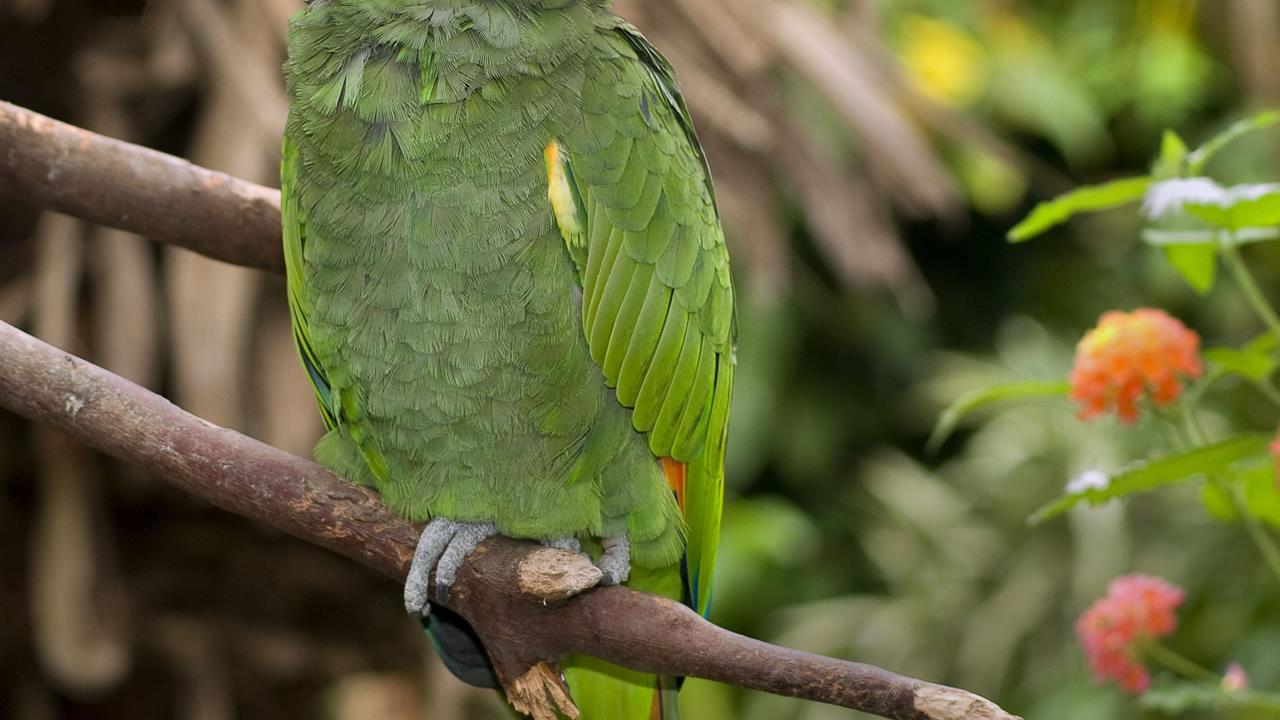
The Orange-winged Amazon (Amazona amazonica) is a mostly green South American parrot with a bright mind, a big personality, and a voice to match. People are drawn to Amazons for good reason: they are sociable, quick to learn, and can bond closely with their household. They can also live 50 to 60 years, so this is a companion that may outlast a mortgage. One thing to sort out first: this is an exotic bird, and whether you can legally keep one in Australia depends on your state or territory, so check with your state wildlife authority before you go any further. The care choices you make early, from diet to housing to daily routine, shape decades of behaviour and health.
Orange-winged Amazon quick facts
- Adult size: usually about 31 to 33 cm long, bill to tail
- Weight: roughly 300 to 470 g
- Potential lifespan: 50 to 60 years, sometimes longer with excellent care
- Noise level: loud, especially at dawn and dusk
- Activity level: high, needs daily movement, chewing, and problem-solving
- Native range: northern and central South America, including the Amazon basin and nearby regions, plus Trinidad and Tobago
Appearance and Physical Characteristics
The name promises orange, but you have to look for it. Orange-winged Amazons are mostly green, with orange in the wing feathers that shows most clearly in flight or when the wings are stretched. Many birds also carry some blue and yellow on the head, though the amount varies from bird to bird, which can make casual identification against other Amazon species tricky.
Natural Range and Habitat
In the wild these are birds of the lowlands and the waterline. The species is widely distributed across northern and central South America, taking in large parts of the Amazon basin and surrounding regions, and it also occurs on Trinidad and Tobago. They favour a mix of forest and more open wooded country, often near water, travelling in pairs or small flocks and sometimes gathering in larger communal roosts.
Temperament and Personality
Amazons are watchful, observant, and genuinely social. In the home that social wiring shows up as a strong preference for regular contact, predictable routines, and plenty to do with the beak and feet. Without enough daily engagement and enrichment, many parrots, Amazons included, drift into frustration behaviours such as screaming, feather damage, or repetitive habits.
They are also loud, and that matters. Loud calls are normal parrot behaviour rather than bad behaviour, and it is wise to assume you will hear that voice every day, especially around morning and late afternoon.
Is an Orange-winged Amazon Right for You?
Start with the legality. This is an exotic parrot, and whether you can keep one, and whether you need a licence, depends on your state or territory law, so confirm the rules with your state wildlife authority before committing. Beyond that, be honest about the noise and the timeframe: a daily loud voice and a potential 50 to 60 year lifespan are not small things, and an Amazon that is bored or under-handled is a difficult bird to live with. If you can offer daily attention, space, enrichment, and a plan that stretches across decades, this is a rewarding companion. If any of those are shaky, it is not the right bird for now.
Care and Housing
An Orange-winged Amazon is built for climbing, chewing, and long hours of alert observation, and a small cage with a single toy will not hold that biology for long. Set up for movement and mental work:
- Space to move the wings, feet, and tail, with safe out-of-enclosure time built into the daily routine
- Natural perches of varied diameters to support foot health
- Chewable materials such as bird-safe wood, palm, paper, and leather to keep the beak busy
- Foraging using paper cups, puzzle feeders, and browse branches to replace the work of finding food
- Quiet, dark sleep in a consistent place, away from late-night household activity
Training and Enrichment
Amazons learn quickly when training is calm and consistent. Short sessions using positive reinforcement help with step-up, stationing, recall indoors, crate comfort, and cooperative care such as accepting a towel or allowing a brief look at wings and feet. Training works best paired with enrichment: rotate toys, offer destructible items, and let the bird solve simple foraging challenges instead of receiving food in a bowl with nothing to do.
Diet and Nutrition
In the wild these parrots eat a broad, shifting mix of fruit, seeds, and other seasonal plant foods as trees and palms come in and out of production. At home the aim is steadier nutrition with variety supplied safely. A widely recommended approach for pet parrots is:
- Mostly nutritionally complete pellets as the base diet
- Daily vegetables with a smaller amount of fruit
- Seeds and nuts as limited extras, not the main meal
Many commonly kept parrots do poorly on seed-only diets, which are energy-dense and nutritionally unbalanced when fed as a staple. If you are changing diet, do it gradually and monitor weight and droppings, ideally with guidance from an avian vet. One clear warning: some human foods are dangerous for parrots, and avocado is a well-known example that should never be fed.
Health and Lifespan
With excellent care, Orange-winged Amazons can live 50 to 60 years, and that long life raises the standard for prevention. Diet quality, regular weighing, and early vet checks matter far more than heroic treatment later. Arrange routine appointments with an avian veterinarian, and learn your bird's normal: weight range, activity pattern, voice, appetite, and droppings. Subtle changes are often the first clue that something is wrong.
A Few Things Worth Knowing
- The orange wing patch is easiest to see in flight, not at rest.
- Dawn and dusk are the loudest parts of the day, by design.
- The species is listed under CITES Appendix II, so international trade is regulated to protect wild populations.
- When acquiring a bird, prioritise reputable, transparent sources and proper paperwork, and avoid anything rushed, vague, or inconsistent.
The Bottom Line
The Orange-winged Amazon is a bright, sociable, noise-forward parrot built for company, movement, and constant small projects. In the right home, with a balanced diet, daily enrichment, and genuine long-term planning, they settle into a steady, watchful, chatty presence. Just confirm the rules in your state or territory first, then be honest with yourself about the noise and the decades of commitment before you take one on.
References

Dog lover and writer at My Pets Australia, sharing practical breed guides and care advice for Australian pet owners.