Norwegian Buhund
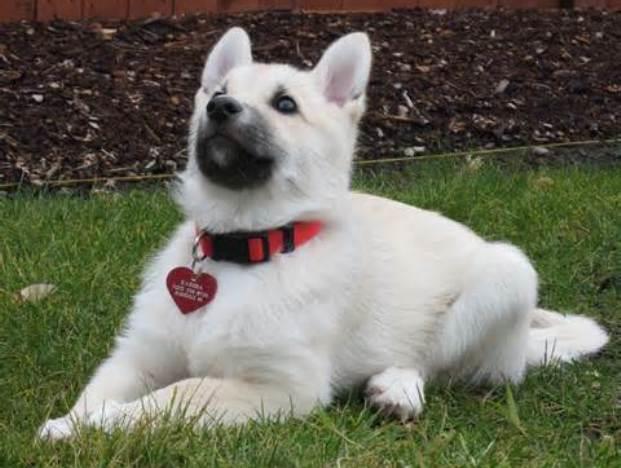
The Norwegian Buhund is a medium-sized Nordic spitz built to work: herding, guarding, and coping with rough weather on a farm. It is bright, quick, and light on its feet, with a curled tail, pricked ears, and a strong voice it is not shy about using. For an active household that likes training, dog sport, or busy days outdoors, it makes an engaging and capable companion. It is also a genuine commitment, because the same working-dog engine that makes it fun needs a real outlet most days. Norwegian Buhunds are legal to keep across Australia.
Quick facts
- Size: medium
- Weight: roughly 14 to 18 kg, with males often heavier than females
- Height: about 41 to 47 cm at the shoulder, depending on sex
- Coat: thick, weather-resistant double coat
- Colour: wheaten and black are common; red and wolf-sable are recognised in some standards
- Life span: often around 12 to 15 years
- Temperament: alert, energetic, generally friendly, and sometimes independent-minded
- Exercise: high, plan on at least an hour most days plus mental work
- Training: quick to learn, does best with steady, positive methods and early socialisation
History and Origin
The Buhund was developed in Norway as a versatile farm dog, herding livestock, sounding the alarm, and working through poor weather. That heritage still shows in the modern dog. It is attentive, mobile, and built to work for long stretches rather than potter about for ten minutes and call it done.1, 2
Appearance and Physical Characteristics
The Buhund is square and athletic, with pricked ears, a wedge-shaped head, and a tail carried tightly curled over the back. These are classic spitz outlines, but the dog is lighter on its feet than many people expect.1
The coat is double: a soft, woolly undercoat under a harsher outer coat that lies fairly close to the body. It sheds year-round and tends to blow coat seasonally, when the undercoat releases in volume.1
Typical size varies a little by kennel club. Males commonly stand around 43 to 47 cm and females around 41 to 45 cm.1, 2, 3 Weight is often about 14 to 18 kg for males, with females frequently lighter.2, 3 Commonly seen colours are wheaten and black. Some standards also recognise red, not too dark, and wolf-sable, with limited white markings permitted in specific places.1
Temperament and Personality
In motion, a Buhund tends to look like it has an opinion about everything it sees. It is alert and responsive, and many owners notice a strong watchdog streak, quick to announce movement, visitors, or odd noises. That is useful in a house with space and routine, and it is harder work in close-quarters living if barking is not managed early.2
With its family the breed is generally social and affectionate, but it does not thrive on long idle days. Without enough activity and training, it may invent its own jobs: patrolling fences, chasing movement, or rehearsing its voice.2
Is a Norwegian Buhund Right for You?
A Buhund fits best where daily movement is normal and training is part of the household rhythm. It is the sort of dog that watches patterns: when the gate opens, where the kids run, which neighbour walks past at dusk. Give it structure and it tends to settle into that structure.
- Good match if: you enjoy active days, you like training, and you can tolerate and manage a vocal watchdog.2
- Think twice if: you need a very quiet breed, you are away for long hours most days, or you want a low-exercise companion.2
Training and Exercise
The Buhund is intelligent and usually willing, but not mechanical. Training lands best when it is calm, consistent, and rewarding, with plenty of practice in real-life settings rather than only in the lounge room.2
Most Buhunds need more than a single short walk. Aim for daily movement plus mental work: sniffing, problem-solving, obedience games, or structured play. Many enjoy agility, obedience, tracking, and herding-style games when introduced carefully.2
Early socialisation matters for a naturally alert breed. Steady exposure to people, dogs, surfaces, noises, and handling helps a Buhund stay composed. Keep sessions short, positive, and frequent, especially during puppyhood.2
Health and Lifespan
Norwegian Buhunds are generally robust and often live around 12 to 15 years, but like many medium, active breeds they can be affected by orthopaedic and endocrine conditions. The practical approach is simple: choose breeders who health-test, keep your dog lean, and treat early signs as worth a vet visit rather than something to wait out.2
Hip dysplasia is a developmental condition where the hip joint forms poorly, leading to joint laxity and, over time, osteoarthritis. Signs can include stiffness, reluctance to jump, reduced exercise tolerance, or hindlimb lameness that is often worse after activity. Diagnosis is typically confirmed with radiographs, and management ranges from weight control and medication to surgery in more severe cases.4, 5, 8
Any dog with a dense double coat can hide skin trouble until it is advanced. If you notice persistent itch, redness, recurrent ear issues, or hot spots, have your vet check for parasites, infection, and allergy triggers rather than cycling through shampoos at home.6
Grooming and Care
The Buhund's coat is designed to handle weather, not to be sculpted. Routine brushing removes loose undercoat, keeps the skin visible for quick checks, and reduces shedding indoors. During seasonal shedding, brush more often to stay ahead of matting and packed undercoat.1
Bathing is occasional rather than constant. Use a dog-appropriate shampoo, rinse thoroughly, and dry properly, because dense undercoat that stays damp can irritate the skin.6 The basics still apply: nails trimmed before they click, ears checked regularly, and teeth brushed often enough that tartar does not quietly build up.7
A Few Things Worth Knowing
- Norwegian Buhunds are comparatively uncommon in Australia, so rescue availability can be patchy.2
- If you want to adopt, widen your net. Spitz and herding-breed rescue groups sometimes see Buhunds or close mixes.2
- Reputable breed clubs may be able to point you towards rehoming contacts when dogs need new homes.2
The Bottom Line
The Norwegian Buhund is a capable, energetic farm dog in companion-dog packaging: alert, agile, and usually sociable, with a coat built for weather and a mind built for work. When exercise, training, and calm boundaries are part of daily life, it can be a steady, engaging companion. When those pieces are missing, the same qualities tend to spill out as noise, restlessness, and fence-line patrols.1, 2
References
- The Kennel Club (UK), Norwegian Buhund breed standard
- Purina UK, Norwegian Buhund breed information
- United Kennel Club (UKC), Norwegian Buhund breed standard
- Merck Veterinary Manual (Pet Owner Version), Hip dysplasia in dogs
- American College of Veterinary Surgeons (ACVS), Canine hip dysplasia overview
- RSPCA Australia, Caring for your dog's skin and coat
- RSPCA Australia, Dental care for dogs
- Australian Veterinary Association (AVA), Hip dysplasia in dogs

Dog lover and writer at My Pets Australia, sharing practical breed guides and care advice for Australian pet owners.