Noriker Horse
The Noriker is a medium-heavy mountain draught horse from the eastern Alps, bred for balance, traction, and long days of steady work on uneven ground. It is compact and grounded rather than tall and flashy, with a deep body, strong quarters, and a famously even temperament that makes it easy to be around. The breed is also known for its colour, especially the leopard-spotted "Tiger" pattern that first draws a lot of people in. If you want a calm, capable horse for driving, farm work, or low-key riding, this is a breed worth understanding properly. It is a big animal with big costs to match, so the detail matters before you commit.
History and Origin
The Noriker is named for Noricum, the Roman-era province in the eastern Alps. It developed as a powerful, sure-footed draught horse suited to steep tracks and long days moving goods through mountain country, work that rewards balance as much as raw strength.2 Its home is the central Alpine region, especially Salzburg and neighbouring Austrian states, with a wider breeding presence across the Austrian and Italian Alpine area.1, 2 Modern breeding runs through studbooks and performance testing, with an explicit focus on keeping both genetic diversity and the breed's traditional working qualities intact.1
Appearance and Physical Characteristics
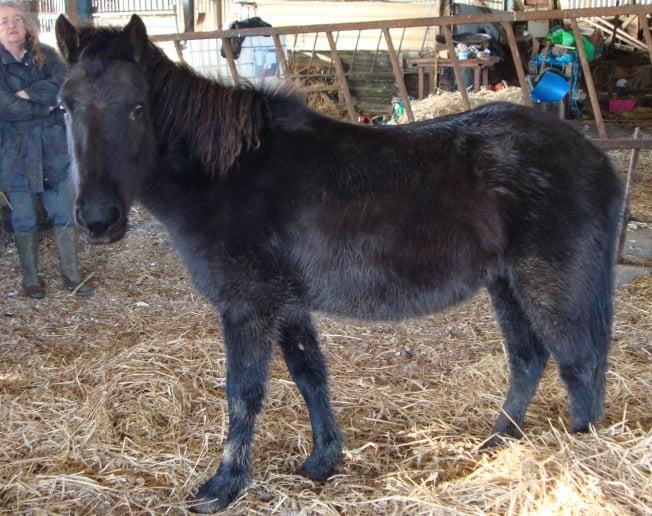
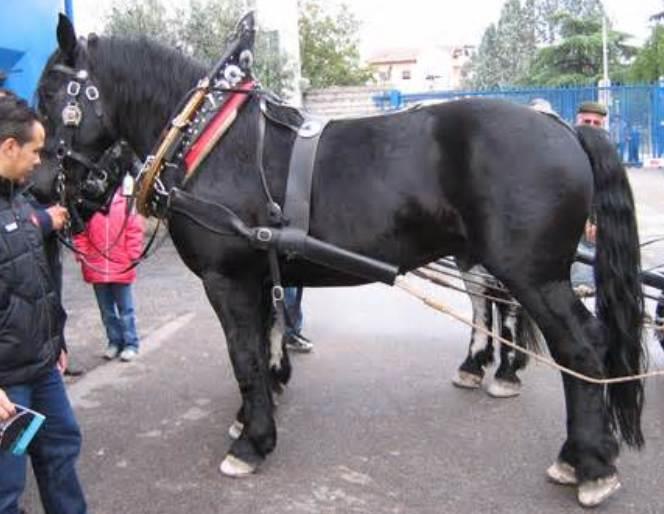
A Noriker feels compact and low to the ground, which is exactly the point. Horses commonly stand around 158 to 165 cm at the withers, roughly 15.2 to 16.1 hands, depending on sex and age.1, 3 The build is a deep body, strong neck and quarters, and a low centre of gravity, with a broad frame made for pushing into the collar.2, 3 The way of going is steady and swinging rather than a light, high-kneed trot, and breed standards put particular weight on correct, durable limbs and sound hooves, practical anatomy for a horse expected to pull weight on mixed footing.1, 2
One point worth clearing up: the Noriker is not a heavily feathered breed. Compared with feathered draught types, Norikers are generally described as having little feathering and relatively clean joints and tendons, which helps when you are managing mud, grass seeds, or skin irritation in damp weather.2, 3
Colours and the "Tiger" Noriker
Many Norikers come in solid colours like black, bay, and chestnut, but the breed is also famous for leopard spotting, often called "Tiger" in Austrian contexts, along with roan types including blue roan and tobiano patterns.1, 4 Colour is part of the breed's identity and is tracked in registration systems rather than treated as an afterthought.1, 4
Temperament and Personality
Norikers are widely described as even-tempered and sensible, which fits a horse bred to work in harness in close contact with people and equipment. Calm does not mean dull and docile does not mean untrainable. In practice it usually means the horse is less reactive, more settled in new places, and easier to keep at repetitive work when handled consistently.4 As with any breed, individuals vary, and early handling, training quality, and day-to-day management often make more difference than anything written on the papers.
Is a Noriker Right for You?
Be honest about scale before anything else. This is not a small-horse proposition, and everything scales up: stable space, float or trailer size, feed storage, rugs, and the cost of well-fitting harness. The breed rewards owners who can match its steadiness with steady handling and consistent routine, and it suits driving, farm and forestry work, and calm pleasure riding for the right individual. If you want a light, athletic sport horse or you are short on space, feed budget, or handling experience with a large animal, look elsewhere. If you want a grounded working partner and can meet the costs, few breeds are as sensible to live with.
Training and Exercise
The Noriker is first and foremost a working draught horse, and breed documentation puts a clear emphasis on driving and pulling power, including suitability as a wagon and farm horse for heavy draught work.1 In steep or sensitive terrain, horses can sometimes work where heavy machinery is awkward or damaging, and the Noriker's sure-footed mountain-draught design is closely tied to that kind of forestry and agricultural work, with steady traction, careful steps, and stamina over long hours.2, 5 Some Norikers are also ridden, particularly for calm hacking and pleasure riding, and breed documents note riding suitability as possible.1 Their conformation is built around pulling a load rather than carrying a rider in high-level sport, so keep your expectations matched to the horse in front of you.
Whatever the job, build workload gradually. A horse can look powerful long before its tendons, ligaments, and back are properly conditioned. A quiet, consistent approach tends to work best, with clear cues, repeatable routines, and calm exposure to new environments to suit a breed selected for practical, cooperative work.
Health and Lifespan
Correct limbs and hard-wearing feet are part of the breed's design brief, but even tough feet need routine farriery. In registered breeding, Norikers are organised into recognised sire lines and assessed against defined criteria for conformation and performance, which is partly about keeping the breed useful and partly about keeping it diverse, so it does not narrow into a single look at the cost of health and longevity.1, 2 The quiet trap with draught types is weight, since plenty of them hold condition easily, especially when work drops off, so regular monitoring matters for keeping the horse sound over the long term.
Grooming and Care
Because the Noriker carries little feathering, its lower legs are relatively easy to keep clean, which is a genuine advantage in wet, muddy conditions where feathered breeds are prone to skin trouble.2, 3 Routine care is otherwise standard for a large working horse: regular farriery for those hard-wearing feet, day-to-day grooming, and well-fitting harness and rugs sized for a broad, deep-bodied animal.
Diet and Nutrition
Norikers are large, muscular horses, but many do well with good pasture and hay as the foundation, and hard feed adjusted to workload rather than habit. The weight risk is real: plenty of these horses hold condition easily, especially when work drops off, so keep an eye on girth, crest, and overall feel and adjust the ration before the horse gets heavy.
A Few Things Worth Knowing
- Lipizzaners and Haflingers are not "famous Norikers". They are distinct breeds with their own histories and studbooks. The Haflinger, for example, was developed in Austria and northern Italy and has a separate breeding identity, even though the Alpine regions overlap.6
- The Noriker is not a heavily feathered breed. Some individuals may show a little feather, but it is generally described as having little feathering compared with heavily feathered draught breeds.2, 3
- Colour, including the leopard-spotted "Tiger" pattern, is formally tracked in registration rather than treated as a cosmetic extra.1, 4
The Bottom Line
The Noriker is a mountain draught horse: compact, strong, and built for traction and balance rather than speed. In the right hands it is often a calm, capable partner for driving and practical work, with enough adaptability for riding when the individual horse suits the job.1, 2 It is a large, demanding animal to keep, so go in with the space, budget, and handling to match, and you get a genuinely sensible horse in return.
References
- Landespferdezuchtverband Salzburg: Ursprungszuchtbuch Noriker (studbook principles document, PDF)
- Noriker (breed overview and history)
- WebMD: What to know about the Noriker horse (size, temperament, colours)
- HQ Magazine: The Noriker (breed description, height range, colours, uses)
- The Equinest: Noriker horse breed (overview, traditional uses including forestry)
- Haflinger (distinct breed; separate origin and breed identity)

Dog lover and writer at My Pets Australia, sharing practical breed guides and care advice for Australian pet owners.