Nonius and Furioso Horses
Nonius and Furioso are two Hungarian warmblood types developed at the Mezőhegyes state stud, and most people meet the names while trying to identify a horse seen in harness or under saddle, or while checking whether a pedigree label makes sense. The Nonius is the heavier, utility-minded line. The Furioso-North Star is the more refined, Thoroughbred-influenced one. They are often mislabelled: they are not Portuguese breeds, and they are not a neat paired set. Get the origin story straight first and the rest of the identification usually follows.1, 2, 3
History and Origin
Both lines come out of the same place. The Mezőhegyes stud in Hungary was founded in 1784 to produce horses for military and agricultural needs, part of the large organised stud-farm system of the Habsburg period. Over time it became closely associated with several distinct lines, including Nonius and Furioso-North Star.1, 3
The Nonius is named after its foundation sire, Nonius Senior, an Anglo-Norman stallion brought to the stud in the early 1800s. The resulting type is muscular and heavy-boned, suited to harness and utility work, and it later became valued for agricultural use and driving sports as the role of horses in warfare faded.1
Furioso-North Star was also developed at Mezőhegyes, built on two Thoroughbred foundation stallions: Furioso, foaled 1836, and North Star, foaled 1844. The bloodlines were managed separately at first, then merged, producing a sound, durable warmblood used in harness, light farm work, and equestrian sport across parts of central and eastern Europe.2, 4
Appearance and Temperament
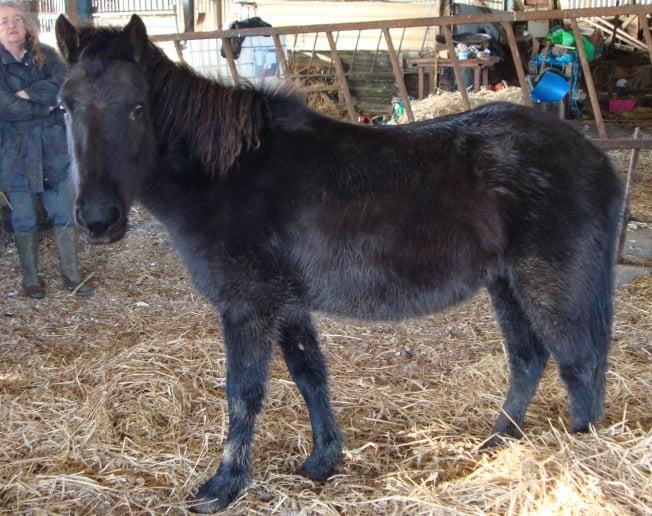
Individual horses vary, but generations of breeding within an organised stud system produce recognisable types. Nonius horses are usually solid, heavy-boned and workmanlike, often in darker coat colours, and traditionally valued for steadiness and willingness in harness.1
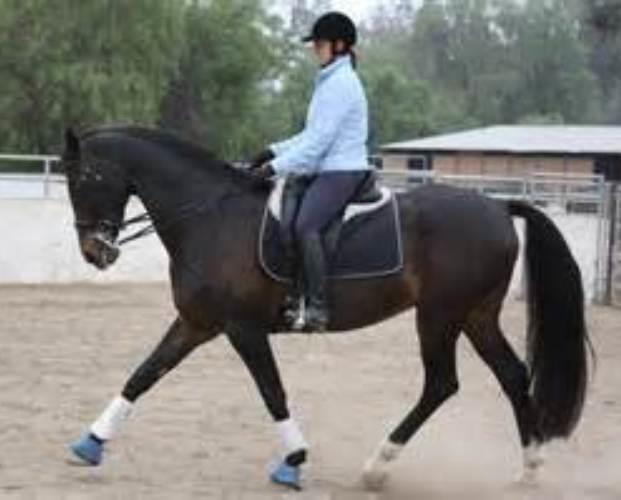
Furioso-North Star horses read as a medium to medium-heavy warmblood, often bay, chestnut or dark-coated, combining durability with a more refined look that reflects the Thoroughbred influence.2, 4
Breeding and Training in Practice
There are no secrets here, just the basics done well over years. Both lines respond to selecting for soundness, trainability and correct movement, then raising young horses with steady handling and appropriate nutrition. Mezőhegyes was designed as a complete working system covering breeding, keeping and training, so the lesson is consistency rather than any single method.3
- Breeding focus: sound legs and feet, correct conformation for the job (harness, riding or farm utility), and a calm, workable temperament.
- Training approach: clear repetition, progressive loading of fitness and skills, and careful early education so the horse stays confident in new environments.
- Welfare and performance: plenty of turnout, varied work and regular hoof care tend to matter more than any one system.
Clearing Up the "Famous Horses" Claims
Misinformation tends to creep in around celebrity individuals. Draft texts sometimes point to a "Furioso II" bred in Germany in the 1940s, or a "stallion Nonius" bred in the Netherlands in the 1950s. Neither matches the well-documented foundation history of these breeds as developed at Mezőhegyes in Hungary.1, 2
If you want to confirm a notable horse, start with the breed association or an official studbook entry, then cross-check the dates, country and parentage.
Role in Equestrian Sport
Neither line was created as a modern specialist sport horse in the way many contemporary warmblood programs are run. Both still appear in sport and leisure contexts, particularly where toughness, steadiness and harness ability are valued. The Nonius is especially associated with driving and utility work, while the Furioso-North Star is described as suitable for harness use and broader riding and competition, depending on the individual horse and its training.1, 2
Challenges for Breeders Today
Any smaller or regionally concentrated breed faces the same pressure points: keeping a healthy genetic base, holding demand without chasing extremes, and finding enough skilled homes that will train and use the horses well.
- Genetic diversity: managing inbreeding risk while still breeding to a consistent type.
- Clear purpose: selecting horses for real jobs in harness, riding or farm utility, rather than vague all-rounder claims.
- Accurate labelling: using correct breed names such as "Furioso-North Star", and verifying pedigree where possible.
How They Compare to Other Warmbloods
Against more common sport-bred warmbloods, it helps to think in terms of emphasis rather than superiority. The Nonius sits closer to the driving and light-draft end of the spectrum: steady, strong and built for work.1 The Furioso-North Star reads as more refined and Thoroughbred-influenced, commonly positioned as durable and useful across both harness and riding.2, 4
The Bottom Line
Nonius and Furioso-North Star are best understood as products of Mezőhegyes, horses shaped by a place that bred for practical performance over generations, military needs at first, then agriculture, harness and sport. If you are researching a horse described with these names, check the origin story first. When the location and dates line up, the rest usually falls into place.1, 2, 3
References
- Nonius horse (overview, history, and breed characteristics)
- Furioso-North Star (breed history and characteristics)
- UNESCO World Heritage Centre: State Stud-Farm Estate of Mezőhegyes (tentative list description)
- Hungarian Equestrian Breeders' Association (MLosz): Furioso North Star (breed background)

Dog lover and writer at My Pets Australia, sharing practical breed guides and care advice for Australian pet owners.