New Forest Pony
The New Forest Pony is a British native breed, a compact and hardy small horse shaped by centuries of life around the New Forest in southern England. It has a well-earned reputation as a sensible all-rounder: sure-footed on mixed ground, even-tempered when handled consistently, and versatile enough for riding, driving, showing and pony club work. Australians can keep and register the breed here, and it suits both children moving up from smaller ponies and adults who want a smaller mount with real substance. It is also a proper long-term commitment, and its efficient body means casual management can lead to very ordinary horse problems like weight gain and sore feet. What follows is a practical read on what the breed is like and what to watch for when caring for one in Australia.
Size: Typically under 14.2 hands (148 cm); no lower height limit in the standard1, 2
Weight: Varies by type and condition; many are pony-compact and can carry an adult when appropriately built and fit1, 2
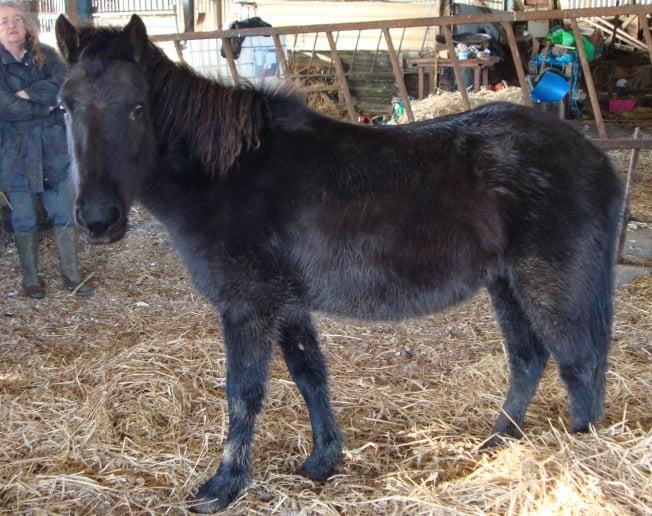
Coat: Dense, practical coat suited to outdoor living; thickness varies with season and management1
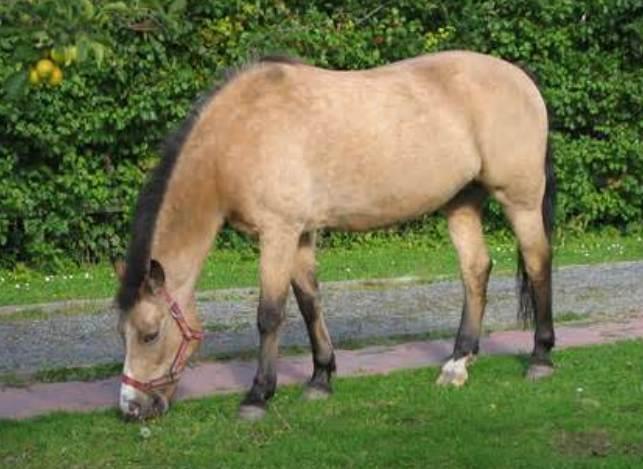
Colour: Many solid colours are permitted; some patterns and colour types are not eligible under Australian studbook rules2
Temperament: Generally even-minded, trainable and workmanlike when handled consistently1, 2
Uses: Riding, driving, showing, and all-round pony club and adult leisure work2
Diet: Pasture and hay as the base; hard feed only when there is a clear need such as workload, growth, condition or health9
Lifespan: Often into the mid-to-late 20s with good care, sometimes longer10
Health watch-outs: Weight-related issues and hoof trouble (including laminitis), plus routine dental and parasite management9
Special characteristics: Hardy, sure-footed and typically sensible in a wide range of settings1, 2
History and Origin
The breed comes from the New Forest area of Hampshire in southern England, where ponies have long been part of local life and land management. Many of the ponies people see on the open forest today are not truly wild. They are privately owned animals turned out under commoning rights, grazing on Crown lands with oversight and day-to-day management support through local officials, including Agisters working with the Verderers.3, 4, 5
This semi-feral context matters. It has favoured ponies that cope well outdoors, move efficiently over mixed ground and stay workable when brought in for handling and training. Those are useful traits whether you are riding on trails, putting a pony in harness or producing one for the show ring.1, 2
Appearance and Physical Characteristics
New Forest Ponies are best thought of as working riding ponies: compact, strong through the body, with straight limbs and hard, rounded feet when correctly bred and managed.1, 2 They are not meant to look delicate. The good ones carry substance without being coarse, and they tend to move in a free, active way rather than with exaggerated action.1
Height: Breed standards set a maximum of 14.2 hands (148 cm). There is no minimum height, and in practice the breed includes smaller and larger individuals within that ceiling.1, 2
Colour: You will see many solid colours. Under the Australian Pony Stud Book Society standard, certain patterns and colour types (such as piebald, skewbald and some spotted types) are not eligible, and blue eyes are not permitted in the standard.2
Temperament and Personality
A good New Forest Pony is typically level-headed and straightforward to train, with enough alertness to be interesting and enough calmness to be safe in busy environments when properly educated.1, 2 Because many lines are selected for practical use, the breed often suits:
- children moving up from smaller ponies, with the right individual and supervision,
- adult riders wanting a smaller mount with real substance,
- drivers who value steadiness and a willing walk to trot rhythm.
As with any breed, temperament is shaped by handling, routine, diet and pain. A pony that seems stubborn is often a pony that is confused, unfit, overfed or uncomfortable, so it pays to look at management before blaming personality.9
Is a New Forest Pony Right for You?
New Forest Ponies are used broadly as riding and driving ponies, and they are common in showing where breed classes are offered. In Australia they are often seen as versatile all-rounders: steady enough for everyday riding, athletic enough for dressage basics and low-to-mid-level jumping with suitable training and conformation.2 They also suit activities where stamina and sensible foot placement matter more than flamboyance, such as trail riding, pony club skills and long days at low intensity.
The honest caveat is that this is still a horse, with the space, time, cost and daily care that any horse demands. If you can offer consistent handling, enough turnout to move freely and disciplined feeding, the breed rewards you. If you are looking for a low-input pet, a pony is not it.
Training and Exercise
Most New Forest Ponies do best with a quiet routine: consistent handling, enough turnout to move freely, and training that rewards relaxation and straightness. Their bodies are efficient, which is a gift under saddle and a risk in the paddock. Training that builds fitness gradually and keeps the pony working straight tends to produce the willing, sensible ride the breed is known for.
They are well suited to everyday riding, harness work, showing and pony club. Athletic individuals can take on dressage basics and low-to-mid-level jumping when their conformation and training support it.2
Health and Lifespan
With good care New Forest Ponies often live into their mid-to-late 20s, and sometimes longer.10 The main health watch-outs are weight-related, because many ponies of this type gain condition easily on improved pasture, and excess weight raises the risk of laminitis and other metabolic problems.9
Even with good feet genetically, hoof health depends on trimming and shoeing, workload, surfaces and diet. Dental care matters too: ponies can quietly drop weight, resist the bit or quid feed when teeth are overdue.9 Routine parasite management, dental checks and regular farrier work are all part of keeping one sound.
Grooming and Care
The New Forest Pony carries a dense, practical coat suited to outdoor living, and its thickness varies with season and management.1 Grooming keeps the coat and skin healthy and gives you a regular hands-on check of the pony's condition, feet and general soundness.
If you are buying, it is sensible to ask for current dental and farrier records, and to arrange a pre-purchase veterinary examination appropriate to the pony's intended job.
Diet and Nutrition
Feeding a New Forest Pony is usually about restraint rather than supplementation. Many ponies, including New Forest types, can gain weight easily on improved pasture, and excess condition raises the risk of laminitis and other metabolic problems.9
- Base the diet on forage (pasture and hay), measured when necessary.
- Use hard feed only when work, age or health genuinely requires it.
- Track condition with a hands-on body condition score, not just a glance.
A Few Things Worth Knowing
- The ponies seen roaming the New Forest are privately owned and managed under commoning, not truly wild.3, 4
- In Australia the breed is recorded through recognised registries, with standards setting height, type and colour rules for eligibility. If papers matter to you, confirm registration status early and check that markings and microchip details match the documents.2
- Be wary of sweeping claims like rigorous genetic testing being a universal requirement. Some studbooks request specific tests in certain contexts, but requirements vary by country and registry and change over time.1, 2
- The New Forest Pony is not generally a rare and endangered breed. It is a recognised domestic breed with active breed organisations and local governance systems linked to commoning, including schemes supporting grazing, bloodlines, stallion management and pony welfare.3, 5, 6
The Bottom Line
The New Forest Pony is a practical, hardy small horse with a long tie to a very particular place and way of land use. In Australian hands the breed most often shines as a steady all-rounder: comfortable to sit on, capable of real work, and generally uncomplicated to train when kept fit and not overfed.1, 2, 9
References
- New Forest Pony Society of North America, About the Breed (breed standard overview)
- Australian Pony Stud Book Society, New Forest Pony (Standards of Excellence)
- New Forest National Park, Commoners & Commoning
- New Forest Escapes, Guide to New Forest Ponies (commoning and not truly wild explanation)
- Wikipedia, Agister (New Forest) (role description and current number of Agisters)
- Verderers of the New Forest, Verderers' Grazing Scheme (projects including bloodline, stallion, welfare programmes)
- Verderers of the New Forest, Commoners (scheme context and timelines)
- National Prescribing Service (NPS MedicineWise), General health information reference
- RSPCA Australia Knowledgebase, What should I feed my horse?
- RSPCA, Horse health and welfare (general longevity and care considerations)

Dog lover and writer at My Pets Australia, sharing practical breed guides and care advice for Australian pet owners.