Neapolitan Mastiff
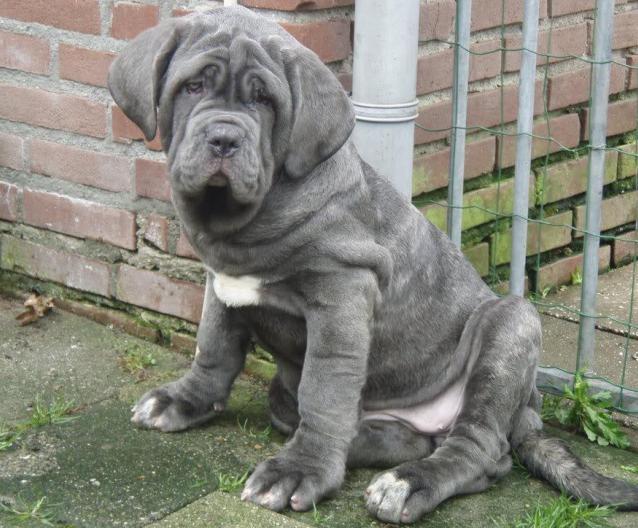
The Neapolitan Mastiff, or Mastino Napoletano, is a giant Italian guardian breed built like a stone doorway, moving with a slow, rolling confidence that suits the ancient job it was bred for. In the right home it is a calm, watchful house dog that would rather sit near you than run laps of the yard. It is also a serious commitment: a 60 to 70 kg animal with loose skin, real health risks, and a wariness of strangers that has to be shaped early rather than fixed later. The mass brings consequences, from heat sensitivity to bloat, and none of them reward a wait and see approach. Here is a clear look at size, temperament, care, and the health concerns worth taking seriously, without the myths.
Height: 60 to 75 cm (bitches usually smaller)1, 2
Weight: 50 to 70 kg (bitches usually lighter)1, 2
Coat: Short, dense, hard-textured, with a natural sheen1, 2
Colours: Grey and lead-grey and black preferred; also brown, fawn and deep fawn (red deer). Brindling is permitted; small white on chest and toes may be allowed in standards.1, 2
Temperament: Calm, steady, loyal, protective; typically wary of strangers without good socialisation.3, 4
Life span: Often around 7 to 9 years (varies by lines and health)4
Common health concerns: Hip and elbow dysplasia, gastric dilatation-volvulus (GDV or bloat), eyelid problems (entropion and ectropion) and cherry eye, plus cardiac disease reported in the breed.4, 5, 6
Exercise: Moderate, steady exercise; avoid pounding or forced running, especially in growing dogs.3
Grooming: Simple coat care, but frequent wipe-downs of skin folds and attention to drool hygiene.1, 2
Training: Early, consistent, calm handling; structured socialisation is essential.3, 4
History and Origin
The Neapolitan Mastiff is a giant molosser, re-selected and standardised in Italy in the mid-20th century from traditional guard dogs kept around the Naples region. You can still read that history on the body: heavy bone, loose skin, a deep chest, and the deliberate, ground-covering gait set out in the breed standard.2 They are often called gentle giants, and a well-raised one earns the name, but size changes the rules. Even a calm dog can knock an adult over by turning too quickly in a hallway, and a wary one can make ordinary visitor management feel tense. With this breed, good outcomes come from planning rather than repair.3
Appearance and Physical Characteristics
The silhouette is unmistakable. Most adult males sit roughly in the 65 to 75 cm range at the withers, with females typically 60 to 68 cm. Weight commonly falls around 60 to 70 kg for males and 50 to 60 kg for females, depending on frame, condition, and breeding lines.1, 2
The coat is short and dense, with a hard texture and a natural sheen. The skin is loose, especially over the head and neck, forming folds and a pronounced dewlap. Breed standards specifically warn against exaggerations that compromise health and welfare.1, 2
Colours vary, with grey, lead-grey and black preferred in standards, and other shades including fawn, deep fawn and brown accepted. Brindle is permitted, and small white markings may be allowed in limited areas, often the chest and toes, depending on the standard used.1, 2
Temperament and Personality
A well-bred, well-raised Neo is usually steady at home: unhurried, observant, and physically affectionate with its people. Many are naturally protective, which is the whole point of the breed, but it means visitor routines matter. Secure fencing, clear introductions, and management when tradespeople come and go are part of ordinary life with one.3
They are often wary with strangers and can be selective with other dogs. Early, thoughtful socialisation helps them read the world more accurately, so they do not treat every unfamiliar sound at the gate as a problem to solve with their whole body.3, 4
Is a Neapolitan Mastiff Right for You?
For most first-time owners of a big dog, honestly, no. In the right home a Neo can be a steady, companionable presence, more shadow than whirlwind, but they suit owners who enjoy calm routines, have secure fencing, and can manage a powerful animal kindly and confidently.3, 4
Often a good fit if you want:
- A quiet house dog that prefers staying close to its people
- A natural guardian presence, without encouraging aggression
- Moderate daily exercise rather than high-energy sport
Often a poor fit if you have:
- Frequent unplanned visitors and no way to separate dog and door
- Limited ability to train and socialise early, because time matters with this breed
- Little tolerance for drool, slow-moving dogs, or large vet expenses
Training and Exercise
This is not a breed to out-stubborn. Neapolitan Mastiffs do best with quiet, consistent handling and clear household rules. Keep sessions short, reward the behaviours you want, and practise them where it counts: at doors, near the car, around food, and when visitors arrive.3, 4
- Prioritise body control: loose-lead walking, a reliable recall within realistic limits, and a calm place cue.
- Teach cooperative care: handling paws, ears, lips, and face folds gently from puppyhood.
- Build safe management: baby gates, a well-fitted harness, and visitor plans that do not rely on luck.
Exercise is less about distance and more about steadiness. Most Neos do not need endless running and many will not enjoy it. Aim for moderate daily movement, broken into manageable chunks, and avoid heavy impact, especially while they are still growing. Stairs and slippery floors can be a real problem for giant-breed joints in the growth period, so set the house up as you would for an elderly dog: stable footing, controlled access, no heroic leaps off the back step.3, 4
Health and Lifespan
Giant breeds pay for their size in the joints and the gut, and the Neo is no exception. Life span is often around 7 to 9 years, and a handful of conditions deserve real attention.4
Hip and elbow dysplasia
Like many giant breeds, Neapolitan Mastiffs are prone to hip and elbow dysplasia. Genetics play a role, and so do growth rate, weight management, and the type of exercise a young dog does. If you are buying a puppy, ask what health screening is done in that breeding line and what the results mean in plain language.4
GDV or bloat
Gastric dilatation-volvulus (GDV) is a life-threatening emergency where the stomach distends and may twist. Large, deep-chested breeds are considered higher risk. The important part is speed: GDV can deteriorate quickly, and delays increase the chance of complications and death.5, 6
Signs that warrant an immediate emergency vet visit include:
- Retching without bringing anything up
- Rapid abdominal swelling
- Restlessness, pacing, drooling
- Weakness or collapse
Commonly recommended risk-reduction strategies include feeding multiple smaller meals rather than one large meal, avoiding raised bowls for at-risk dogs, and restricting vigorous activity after eating. Some owners of high-risk breeds discuss preventive gastropexy with their vet, often around desexing, but it is an individual decision.6, 7
Eyes: entropion, ectropion and cherry eye
The same loose skin that gives the Neo its look can contribute to eyelid problems such as entropion (lid turning in) and ectropion (lid turning out). Cherry eye, a prolapse of the third eyelid gland, is also reported in the breed and is usually treated surgically. If a Neo is squinting, rubbing, or has persistent discharge, do not wait, as eye issues can become painful and complicated quickly.2, 4
Grooming and Care
The coat is the easy part. Regular brushing removes loose hair and occasional bathing handles the rest. The more important work is around the head and neck: keeping skin folds clean and dry, checking for irritation, and staying on top of drool hygiene around the lips and jowls.1, 2
- Wipe and dry facial folds, especially after meals and drinking.
- Check ears and eyes routinely.
- Keep nails short, since giant breeds can splay and strain when nails get long.
The Bottom Line
The Neapolitan Mastiff does not need much theatre. The dog itself is the statement: heavy, watchful, and built for presence. Get the foundations right, meaning socialisation, training, house management, and a clear plan for health risks like GDV, and you are more likely to end up with the calm, steady companion the breed is known for.3, 6
References
- The Kennel Club (UK), Neapolitan Mastiff breed standard
- Dogs NSW (ANKC), Neapolitan Mastiff breed standard
- Dogs NSW, Neapolitan Mastiff (temperament and suitability)
- PetMD, Neapolitan Mastiff (breed overview and health issues)
- Today's Veterinary Practice, Gastric dilatation-volvulus (GDV): stabilisation and surgery
- Cornell University College of Veterinary Medicine, Gastric dilatation-volvulus (GDV) (bloat)
- American College of Veterinary Surgeons (ACVS), Gastropexy and GDV

Dog lover and writer at My Pets Australia, sharing practical breed guides and care advice for Australian pet owners.