Mice as Pets: A Comprehensive Guide for Australian Pet Owners
Pet mice are small, alert, endlessly busy little animals that fit neatly into a unit or a flat and ask for very little floor space in return. They climb, tunnel, forage and nest, and a lot of the pleasure of keeping them comes from watching those natural behaviours up close. They are hardy in some ways and delicate in others, being sensitive to heat, stale air and stressful housing. The gap between a mouse that merely gets by and one that thrives usually comes down to a few quiet details: ventilation, temperature, diet quality and how they are grouped together. Mice are legal to keep across Australia, and the care they need is genuinely manageable once the basics are in place.
History and Origin
Most pet mice are domesticated forms of the house mouse (Mus musculus). Their long history in laboratory settings has shaped a great deal of what we now know about mouse nutrition, housing and health, which is practical information when it is applied with welfare in mind.7
Appearance and Physical Characteristics
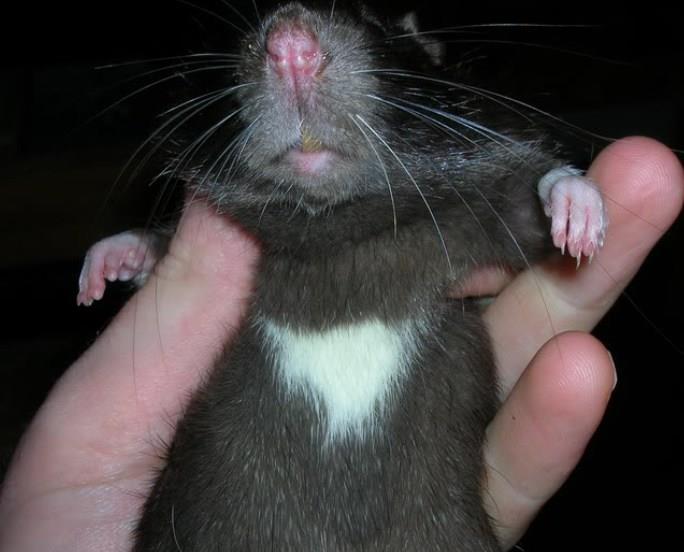
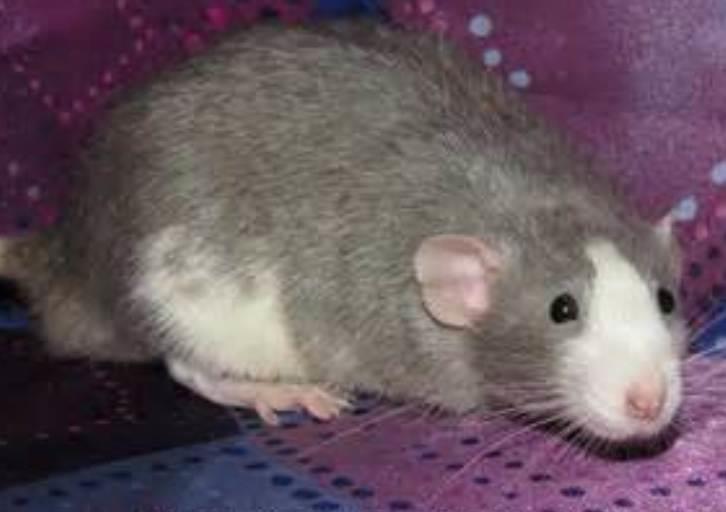
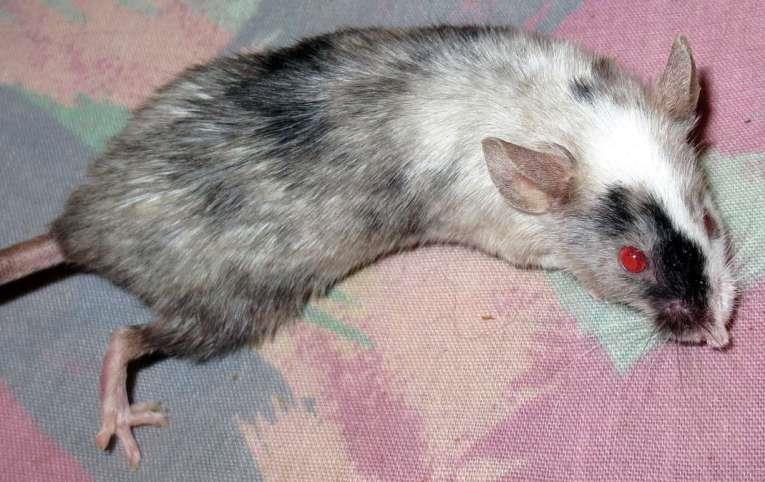
Pet mice are small-bodied with a long tail, prominent whiskers and excellent hearing and smell. Coat colours and textures vary widely thanks to domestication and selective breeding, so you will find everything from plain agouti to a range of colours and patterns. Those sensitive senses are not just charming details. A mouse has a fast metabolism and a sharp nose, which is part of why clean air, low-dust bedding and fresh water matter so much. A mouse does not have to look sick for poor ventilation or ammonia build-up to start irritating its airways.2
Temperament and Personality
Mice are naturally curious and spend much of their waking time investigating scent, structure and movement. Many become calm around gentle handling, especially when it starts young and stays predictable.1, 6
Around children and other pets, a little planning goes a long way. Mice can suit older, gentle children with close supervision. They should be supported with two hands and never lifted by the tail.1 Keep mice physically separate from cats and dogs. Even friendly attention can be stressful, and a single paw swipe can be fatal.
Is a Mouse Right for You?
Mice suit people who enjoy watching natural behaviour rather than cuddling a pet. They do not need a backyard, and their daily care is usually light, but they still need a clean, well-ventilated enclosure, regular interaction and company of their own species in a safe arrangement.1, 2 They are social animals, so before you bring any home, plan the group carefully. In most homes a small group of females is the simplest and safest option.1, 6
- Keep at least two mice so they can sleep together, nest and share normal social contact.1, 4
- Avoid housing entire (undesexed) males together, as fighting can be a real issue.1
- Separate males and females unless you have a deliberate breeding plan, along with the experience and veterinary support to manage it. Mice breed quickly.4, 6
It is also worth finding a vet who is comfortable with small mammals before there is an emergency. If you are unsure, ring clinics and ask directly whether they see mice regularly.6
Care and Housing
A roomy enclosure with strong ventilation and a solid base for deep bedding is a reliable starting point. Poor ventilation lets humidity and ammonia build up, which can irritate airways and contribute to respiratory disease.1, 2 Avoid aquariums and many plastic tubs as permanent housing, because they often do not ventilate well enough. Wooden enclosures can absorb urine and are difficult to disinfect properly.1
Rather than chasing a perfect centimetre measurement, aim for as large as practical, then make it complex. Mice use space in layers: they climb, tunnel, hide and build nests.1, 2
- Deep, low-dust bedding for digging and foraging
- Nesting material (shredded paper works well)
- Multiple hide options with more than one exit (small boxes, tubes)
- A solid running wheel sized so the back does not arch
- Chew items to support gnawing behaviour and dental wear2, 7
Temperature matters more than many new owners expect. Mice have a limited ability to regulate body temperature and are sensitive to heat. A commonly recommended housing range is about 18 to 26 °C with 30 to 70% relative humidity, and cages should be kept out of direct sun. Temperatures above about 30 °C can lead to heat stress and heat stroke, especially in crowded enclosures.4
On cleaning, cleanliness is not just about smell. In a small enclosure, stale air and damp bedding let ammonia and irritants build up, which can inflame sensitive airways and set the scene for chronic respiratory trouble.2 Each day, remove wet bedding patches and leftover fresh foods. At least weekly, do a thorough clean with warm, non-fragrant soapy water, fresh bedding and refreshed nesting material.1 Keep some familiar nesting material aside during cleans, because too-perfect sterility can be stressful and mice settle faster when their home still smells like their own colony.
Health and Lifespan
With good care, many pet mice live around 1 to 3 years, and some sources note they can live longer under ideal conditions. Lifespan varies with genetics, sex and health history.4, 6
Common problems to watch for include:
- Respiratory disease: sneezing, clicking sounds, rapid breathing, crusty eyes or nose, reduced activity. Housing conditions such as ventilation, dust and ammonia build-up matter.2, 3
- Lumps and tumours: more common as mice age. Any new lump needs veterinary assessment.
- Parasites and skin issues: itching, scabs, hair loss, excessive scratching.
- Dental problems: overgrown incisors if gnawing needs are not met or if illness interferes with normal wear.2, 7
There are also quieter early warning signs: hiding more than usual or not coming out to eat, weight loss, a hunched posture or rough coat, wetness around the tail or eyes, and sudden changes in how cage-mates interact. Mice can deteriorate quickly, so if you are seeing these changes, treat it as urgent and speak with a vet promptly.6
Grooming and Care
Mice do most of their own grooming, so your job is handling and socialisation rather than brushing. Start with short sessions and let mice approach your hands rather than chasing them around the cage. Support the whole body and avoid tail handling entirely.1 Food rewards can help, but keep treats small and infrequent. The goal is predictable, low-stress contact, and a mouse that chooses to climb onto a hand is usually calmer than one that has been grabbed.
Diet and Nutrition
Use a good-quality pellet formulated for mice as the base diet. Seed mixes are often a poor choice, because mice selectively eat the fattiest pieces and leave the balanced parts behind, which leads to nutritional imbalance and obesity risk.2, 7
Supplement with small serves of safe vegetables as part of the daily allowance, not on top of unlimited pellets. Fruit is best treated as an occasional extra, offered in tiny portions.2, 7 Provide fresh water at all times. Water bottles are often cleaner than bowls, but they must be checked daily for blockages or leaks, and having more than one bottle reduces the chance of a failure going unnoticed.7
A Few Things Worth Knowing
- Mice communicate in ways humans often miss, including ultrasonic vocalisations.7
- Much of their active life happens at night, when the room is quiet and the enclosure feels safest.
- A healthy enclosure looks busy and a little untidy, with deep bedding, tunnels, nest corners and chew marks in cardboard.
The Bottom Line
Mice are a small, low-fuss companion that reward close watching rather than handling. Give them clean air, steady temperatures, a proper pellet diet and a stable social group of their own kind, and you will see the small, precise rhythms of mouse life unfold at close range.1, 2, 4
References
- RSPCA Australia, Caring for pet mice
- RSPCA Knowledgebase, How should I care for my mice?
- Merck Veterinary Manual, Management of laboratory animals (ventilation, humidity and environment guidance relevant to mice)
- Merck Veterinary Manual, Special considerations for mice (temperature, humidity, social housing)
- RSPCA WA, Pocket pets (adopting a rat or mouse; housing, diet and heat stress notes)
- Agriculture Victoria (Animal Welfare Victoria), Caring for pet rats and mice
- RSPCA Knowledgebase, What should I feed my mice?

Dog lover and writer at My Pets Australia, sharing practical breed guides and care advice for Australian pet owners.