Mexican Hairless
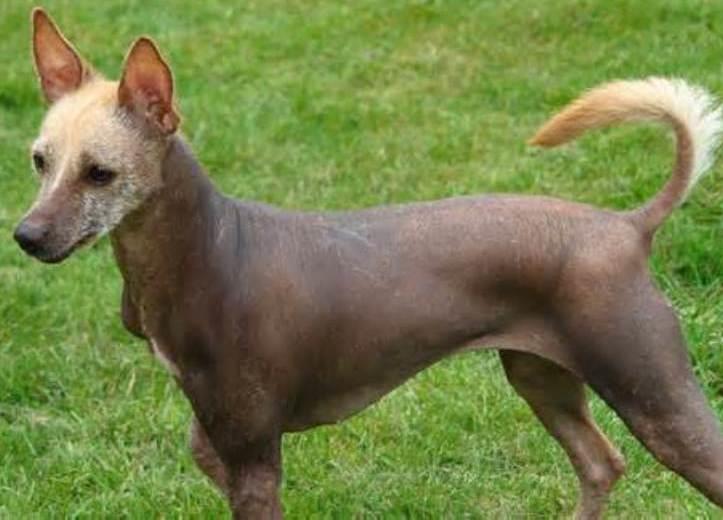
The Mexican Hairless, known properly as the Xoloitzcuintle or just the Xolo, is one of the oldest dog breeds in the Americas and still one of the most distinctive: lean, warm to the touch, and often completely bare-skinned. At its best it is a calm, watchful housemate that notices a change in the room before it reacts, and it asks for very little in the way of brushing. It is also a dog that feels the weather on its body, which makes sun safety a real and ongoing job rather than an afterthought. Get the size, the skin care and the early socialisation right and the Xolo is a steady, low-fuss companion. None of that is set and forget.
History and Origin
The Xoloitzcuintle is an ancient Mexican breed with deep roots in pre-Columbian culture. In traditional stories and archaeological evidence, Xolo-type dogs are tied to spiritual beliefs and ceremony, and the breed's name itself links to the Aztec god Xolotl and the Nahuatl word for dog.5 In modern pedigree terms the breed is formally recognised by major kennel bodies, including the American Kennel Club (AKC) and the Fédération Cynologique Internationale (FCI).2, 6 In Australia it is recognised by Dogs Australia, which maintains the breed standard used here.4
Appearance and Physical Characteristics
The Xolo comes in three sizes, all sharing the same overall outline: lean, sturdy, well-muscled, with a rectangular profile.4 Dogs Australia describes these three sizes within the one breed, and the AKC lists the following height ranges, measured at the withers:2
- Toy: about 25 to 36 cm (10 to 14 inches)
- Miniature: about 36 to 46 cm (14 to 18 inches)
- Standard: about 46 to 58 cm (18 to 23 inches)
Weight varies widely with size and build, from a small, light toy dog to a solid standard. A broad AKC guide range runs roughly 4.5 to 25 kg (about 10 to 55 pounds).7
The breed occurs in both hairless and coated varieties. Hairless Xolos have smooth skin with limited hair, sometimes small tufts on the head, feet and tail. Coated Xolos have a short, close, flat coat and look much like the hairless dogs in structure and movement.1
Temperament and Personality
A well-bred, well-raised Xolo is often quiet in the house and watchful outdoors, a dog that notices things before it acts. Dogs Australia's breed standard describes the Xoloitzcuintle as calm and intelligent, possibly suspicious toward strangers, and never aggressive.4 That natural reserve makes the breed a good watchdog, and it is not a flaw. It does mean the Xolo benefits from steady, early social exposure. Without it, the dog tends to default to distance: stepping back, holding still, watching closely.
Is a Mexican Hairless Right for You?
This is a good fit for someone who wants a quiet, alert companion and is willing to take the skin care seriously, not for someone drawn only to the striking looks. The Xolo can suit apartment living if its needs are met: daily walks, a safe place to retreat, and enough mental work to stop the dog inventing its own entertainment. Floorplan matters less than routine, meaning consistent exercise, consistent boundaries and consistent social contact. The catch is the climate. This is a bare-skinned dog living under Australian sun, so if you cannot commit to shade, timing and sun protection, another breed will be fairer on the animal.
Training and Exercise
Xolos tend to learn quickly when training is quiet and consistent, and harsh methods often backfire in a breed that can be naturally cautious.
- Start early: gentle exposure to visitors, noises, different surfaces, and handling of paws, ears and mouth.
- Keep sessions short: a few minutes at a time, folded into daily life.
- Reward calm behaviour: especially when the dog notices something unfamiliar and chooses to settle rather than escalate.
Daily walks cover most of the exercise need. In an Australian summer, that means early or late outings to keep the dog off hot ground and out of the midday sun.
Health and Lifespan
No dog is problem-free, and with the Xolo the standout issues are tied to the hairless gene. In hairless varieties, missing teeth and other dental abnormalities can occur as part of the same ectodermal traits that affect hair. In practice, some hairless Xolos need closer dental monitoring than you might expect for a lean, athletic breed.9 Hairless skin can also be reactive, with sunburn, contact irritation and dryness the common themes; the aim is a steady baseline and quick attention to any new rash, pustule or persistent itch. As with many breeds, individuals may experience orthopaedic issues, so keep puppies lean, avoid excessive jumping during growth, and choose breeders who health-test and share long-term outcomes.
Grooming and Care
With hairless dogs, grooming is mostly skin management, because dirt, sweat and oils sit directly on the skin surface and sun exposure is a genuine risk.
Sun and heat safety come first. Australian sun can burn pets, and repeated sunburn can contribute to skin cancer risk. RSPCA Australia recommends shade and notes that pet sunscreen can be an option, especially for light-coloured animals and those vulnerable to sunburn.8
- Prioritise shade, especially in the middle of the day, and choose early or late walks in summer.
- Use pet-specific sunscreen on exposed areas if your vet agrees it suits your dog's skin and habits, since many dogs lick what is applied.
- Watch for early sunburn signs: redness, flaking, tenderness, or the dog rubbing or scratching at exposed skin.
Keep bathing gentle and practical: lukewarm water, a mild dog shampoo, and no over-washing. Many hairless dogs do best with light moisturising when the skin is dry, using fragrance-free, dog-safe products that have been patch-tested first. Coated Xolos are lower fuss, needing only a quick brush and routine hygiene. Both varieties still need the basics of trimmed nails, checked ears and cared-for teeth.
A Few Things Worth Knowing
- Xolos appear in Mexican art and cultural imagery, including work associated with artists such as Diego Rivera and Frida Kahlo.10
- The breed is often mixed up on screen. In Harry Potter, Fluffy is a giant three-headed dog, not a Mexican Hairless, and Dogmeat in Fallout is usually a German Shepherd-type dog rather than a Xolo.
- You will see different size labels depending on the registry, so check the actual height range rather than the name.3
The Bottom Line
The Mexican Hairless is a calm house companion with a sharp eye, spare on grooming but demanding on sun care. Choose a reputable breeder, meet adult dogs if you can, and be honest about your climate and daily routine before you commit. Handled properly in an Australian home, it is a steady and rewarding dog.
References
- Fédération Cynologique Internationale (FCI), XOLOITZCUINTLE (Breed No. 234)
- American Kennel Club (AKC), Xolo Breed Varieties (sizes)
- United Kennel Club (UKC), Xoloitzcuintli Breed Standard (height ranges)
- Dogs Australia, Xoloitzcuintle Breed Standard
- Encyclopaedia Britannica, Xoloitzcuintli
- American Kennel Club (AKC), Xoloitzcuintli Dog Breed Information
- American Kennel Club (AKC), Breed Weight Chart (Xoloitzcuintli range)
- RSPCA Australia, Keeping your pet safe during the heat (shade, sunburn and pet sunscreen)
- Merck Veterinary Manual, Congenital and inherited anomalies of teeth in dogs
- Encyclopaedia Britannica, Frida Kahlo (background and recognised works/context)

Dog lover and writer at My Pets Australia, sharing practical breed guides and care advice for Australian pet owners.