McNab Collie
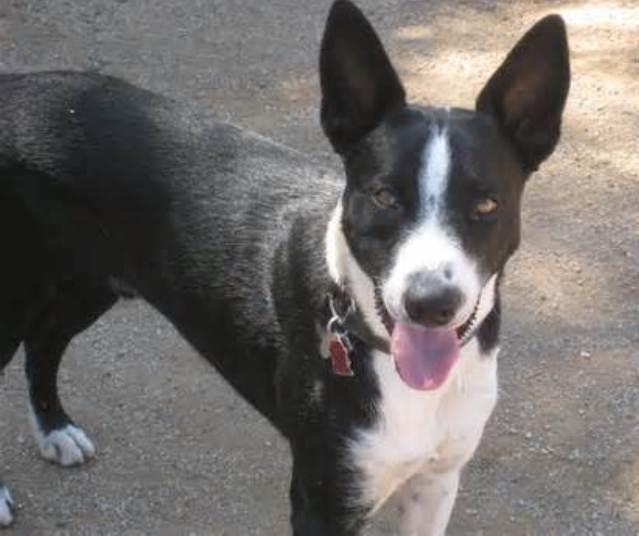
The McNab Collie, also called the McNab Shepherd or McNab stock dog, is a ranch-bred herding dog from Northern California, built for heat, rough country, and livestock that will not politely wait at the gate. It is fast, alert, and genuinely clever, the kind of dog that reads a situation and acts before you have finished the sentence. Owners who work stock or run a busy, active household tend to love what it can do. It is also a serious commitment, because get the exercise and stimulation wrong and you end up with a bored, driven dog inventing its own work.1, 2
History and Origin
The McNab is not an Australian breed. It developed in Northern California, associated with Alexander McNab, a Scottish immigrant who needed a tough, practical sheepdog for dry heat, foxtails, burrs, and long days on big country.1, 3
Accounts vary in the finer points, but the consistent thread is this: McNab-type dogs were selected for working ability first, with additional dogs brought from Scotland over time to suit the job on Californian ranches.1, 3, 4
You may see McNabs described as officially recognised by major kennel clubs. In practice, the McNab is not recognised as a standardised breed by the American Kennel Club (AKC).1 In Australia, the main pedigree registry is Dogs Australia (formerly the Australian National Kennel Council). If you want to confirm whether a breed is formally recognised for pedigree registration and showing, Dogs Australia is the relevant authority to check.10
Appearance and Physical Characteristics
The McNab is a medium-sized dog built for the field rather than the show ring. Most wear a close, practical coat: smooth and short to medium, dense and weather-resistant, not a long-coated breed.1
- Size: Medium
- Height: About 40 to 54 cm (females), 45 to 66 cm (males)1
- Weight: About 14 to 23 kg (females), 16 to 30 kg (males)1
- Coat: Smooth and short to medium, dense and weather-resistant1
- Colours: Often black or red with white markings, and the colour range is broader than black and white alone1
- Lifespan: Commonly around 13 to 15 years, with individuals varying1
- Energy level: Very high, bred to work all day
Temperament and Personality
McNabs are alert, fast, and intensely observant. Many work with a more independent style than some other herding breeds: they can make decisions at speed when stock breaks and dust is in the air, and they are expected to keep going while the handler is still closing the gate behind them.1
That same drive can be a poor fit for a quiet household. Without enough structured work, training, and decompression time, a McNab will default to self-appointed jobs: circling, shadow-chasing, pestering other pets, or herding children and visitors. It is not spite. It is momentum with nowhere to go.
Is a McNab Collie Right for You?
Be honest about your daily life before you commit. This dog suits people who genuinely enjoy training most days, not just when there is time, and homes with space and a plan for off-lead running in safe, legal areas alongside real skill-building. Working properties and dog sport households that can offer weekly outlets are the natural fit.
Some homes should pause and think. First-time owners who want a dog that is easy rather than simply trainable will struggle. So will homes where the dog is regularly under-exercised or left to entertain itself, and households that cannot manage strong chase and herding instincts around small animals. For most quiet suburban households, honestly, this is not the right dog.
Training and Exercise
A McNab needs both physical exercise and mental work. Long walks help, but they rarely satisfy the whole animal, because these dogs were shaped for tasks that require thinking while moving. For training style, reward-based methods are the safest default. Evidence-based behaviour guidance from veterinary behaviour specialists supports reward-based training approaches for both effectiveness and welfare.7
Useful outlets beyond the daily walk include:
- Herding lessons with a qualified trainer, where available and appropriate
- Agility, scent work, or structured retrieving games
- Real-world obedience: recall under distraction, calm leash skills, settling on cue
- Puzzle feeding and short skill sessions that end before the dog fades
Health and Lifespan
No breed is free of health issues, and with the McNab it is worth being specific. One matters more than most: McNabs are among the breeds for which MDR1 (ABCB1) testing is considered relevant. Dogs with this genetic variant can have dangerous reactions to certain medications, so results should be shared with your vet before any treatment is prescribed.8
As with many active medium-sized herding dogs, sensible breeders and owners pay attention to hips and eyes. Ask what health screening has been done in the breeding lines, and request documentation rather than relying on verbal assurances. Lifespan is commonly around 13 to 15 years.1
Grooming and Care
Grooming a McNab is usually straightforward, thanks to that close, practical coat.1 The environment matters more than the brush. Dogs that run through grass seed country and scrub need routine checks of paws, ears, and coat for burrs and foxtails, especially through the warmer months.
Working Ability and What They Are Known For
McNabs are widely associated with ranch work in California, valued for stamina, agility, and the ability to move stock across rough terrain and heat.1, 5 They can also do well in dog sports and other roles when their drive is channelled. The common thread is structured work, not simply being active.
Choosing a Breeder or Adopting
If you are seeing McNabs advertised online, slow down. A few simple checks catch most bad situations:
- Never buy a puppy without meeting it in person and seeing where it has been raised.6
- Be wary of sellers pushing quick deposits, freight extras, or delivery without inspection.9
- Ask for proof of health testing relevant to the parents, including MDR1 (ABCB1) where appropriate, and discuss results with your vet.8
- Look for calm, practical honesty about drive, exercise needs, and the homes the puppies will not suit.
Adoption can be a good path, especially if you are open to an adult dog whose temperament is already visible. RSPCA guidance is to consider reputable welfare and rehoming organisations, and to avoid buying blind online.6
The Bottom Line
The McNab is a purpose-built herding dog: medium-sized, quick on its feet, and happiest with a job that makes sense to it. In the right hands it is steady, responsive, and quietly impressive. In the wrong setting it becomes a whirlwind of unused ability. If your day-to-day life has room for training, movement, and thoughtful management, the McNab can slot in as though it was always meant to be there.
References
- McNab dog (McNab Shepherd), overview, appearance, lifespan, breed status
- McNab Shepherd Historical Society, McNab family history and common myths
- The McNab Stockdog Foundation, breed description and historical notes
- McNab Shepherd Historical Society, background on the McNab Shepherd in Northern California
- Anderson Valley Advertiser (2016), reporting on McNab Shepherds and ranch use in Mendocino County
- RSPCA Knowledgebase, red flags when buying a pet online (do not buy sight unseen)
- American Veterinary Society of Animal Behavior (AVSAB), Humane Dog Training Position Statement (reward-based methods)
- UC Davis Veterinary Genetics Laboratory, MDR1 (ABCB1) Multidrug Sensitivity test information (includes McNab Shepherd)
- RSPCA Pet Insurance, tips for safely buying a pet and avoiding common scams
- Dogs Australia, national kennel club body information (ANKC/Dogs Australia)

Dog lover and writer at My Pets Australia, sharing practical breed guides and care advice for Australian pet owners.