Masked Rats
"Masked rat" is a name people type into a search bar when they have spotted a small rodent and want to identify it, or when a seller has offered them one and they are trying to work out what it actually is. It is a genuinely useful thing to look up, because the name is used loosely and can point to completely different animals depending on who is talking. In an Australian context it usually circles back to a native Rattus species, and native mammals here are protected, with keeping rules that change from state to state. Before anything else, then, the job is to pin down which animal you mean and whether it is legal to keep where you live.
What "masked rat" actually refers to
There is no single, clearly defined species called the "masked rat". A lot of online material lumps together details from different animals and different continents, sometimes describing a rodent as "native to Africa" in one line and "native to Australia" in the next. When Australians use the term, they are often reaching for a native rat in the genus Rattus. One species that gets pulled into the confusion is Rattus tunneyi, the pale field-rat, which is Australian and now has a patchy, reduced range compared with where it once lived.4
Are they native to Australia?
Some rats genuinely are native to Australia, but being native does not make an animal legal or sensible to keep. In New South Wales, native mammals are protected and you generally need a specific licence to keep one, with only a very short list of species permitted for private keeping.1, 2 Queensland runs its own licensing framework for keeping protected native animals, and any animal not listed as exempt or authorised is prohibited from being kept or traded under those licences.6, 7
Two practical checks are worth doing before you go any further. If someone is offering you a "native masked rat", ask for the exact species name, in Latin, and paperwork showing it was legally bred and sold. And never take a wild rat from the bush or your backyard, which is illegal in many places and bad for both the animal and you.2
What about the "African" versions?
Some "masked rat" descriptions online actually resemble African rodents, which are different animals again. That includes the large pouched rats kept overseas by specialist keepers. These are not Australian native rats, and they are not a routine pet here. Even in places where they are kept, they are described as a long-term commitment rather than an easy first rodent.5
Identifying a rat you have seen
The reason the loose descriptions do not hold up is that they contradict each other. One version claims a slender body at 100 to 200 g with a "mask-like" marking, then elsewhere gives 30 to 50 g and calls the animal native to Australia and New Zealand. Those figures do not match a single well-defined Australian species, and "native to New Zealand" is a red flag on its own, since New Zealand's rodent story is dominated by introduced rats rather than a native pet "masked rat".
If you are trying to identify a rat you have seen, the reliable approach is a state fauna atlas or a museum resource, matching location, habitat, body size, tail length and coat colour. For Rattus tunneyi specifically, the Atlas of Living Australia carries an authoritative species profile along with conservation listings by jurisdiction.4
Keeping a rat in Australia: legality first
The rules depend on your state and on the exact species. As a concrete example, NSW allows only two native mammal species to be kept as pets under a licence, and they must be captive-bred. If your "masked rat" is not on the permitted list, you cannot legally keep it in NSW.2 Queensland's licensing system for protected native animals is explicit that prohibited animals cannot be kept or traded, so you need to check the relevant category lists before acquiring anything described as "native".6, 7
Health and hygiene
Rats, wild and domestic, can carry diseases that affect people. One of the more important examples in Australia is leptospirosis, a bacterial infection spread through contact with the urine of infected animals, including rodents. The risk rises with exposure to contaminated water, mud and soil, especially after heavy rain and flooding.8 A few simple precautions go a long way.
- Wash your hands after cleaning cages, handling bedding, or touching food bowls.
- Cover cuts and scratches before handling rodents or soiled materials.
- Clean and dry enclosures regularly, and avoid aerosolising dust from soiled bedding.
The Bottom Line
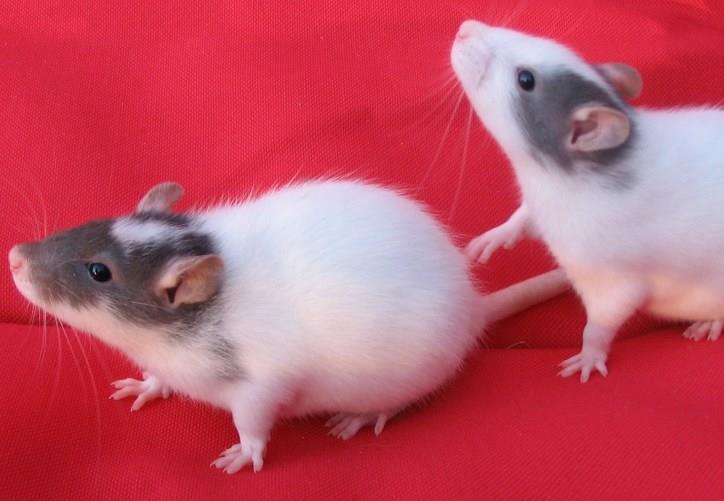
If by "masked rat" you mean a native Australian rat, then for most people the honest answer is no, not as a casual pet. Legality and sourcing are the hard constraints, and reputable captive-bred pathways are limited.1, 2 If you mean a domestic rat (Rattus norvegicus), the common pet rat, that is a different conversation entirely, with well-established husbandry, a predictable temperament and widely available vet experience. The single most useful thing you can do is get the exact species name from the seller, then check it against your state or territory's wildlife authority before parting with any money.
References
- NSW Environment & Heritage, Native animals as pets (licences and permits)
- NSW Environment & Heritage, Mammal keeper licence (permitted native mammals)
- ABC News, Why hamsters and gerbils are illegal as pets in Australia (biosecurity risk context)
- Atlas of Living Australia, Rattus tunneyi (Pale Field-Rat) species profile
- Rat & Mouse Club of America, African Giant Pouched Rats as pets (overview, lifespan context)
- Queensland Government, Keeping native animals (licensing overview)
- Queensland Government, Licences to keep, use or display native animals (framework details)
- Queensland Government (Queensland Health), Leptospirosis (rodent-linked health risk)

Dog lover and writer at My Pets Australia, sharing practical breed guides and care advice for Australian pet owners.