Loaches
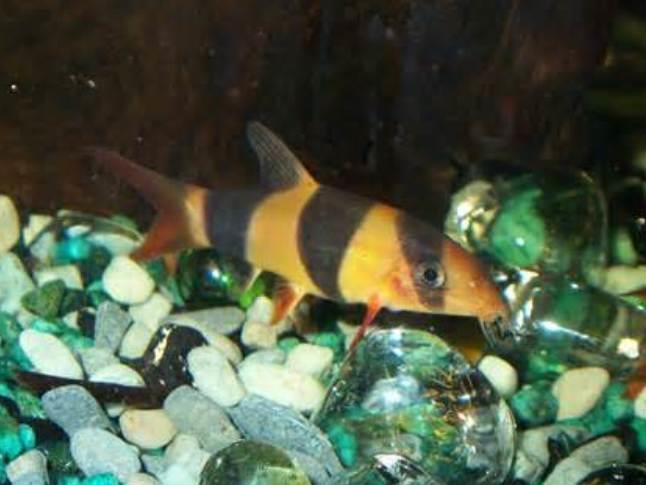
Loaches are bottom-dwelling freshwater fish with real personality: barbels that test the substrate, a habit of foraging in short busy bursts, and social behaviour that comes out once they feel settled. They are a broad group rather than a single type, ranging from small, shy kuhli loaches to bulky clown loaches, and many are genuinely long-lived, so a well-kept loach can outlast the tank you first bought it for. Given stable water, a soft bottom and food that actually reaches them, they are hardy and rewarding to watch. The catch is that "loach care" is not one thing. Feeding well starts with knowing which species you actually have.
Quick profile (varies by species)
Typical size: around 5 to 30 cm (some species larger)
Typical lifespan: commonly 10+ years, some can live decades in good care3
Diet: omnivorous, many species are strong insect and invertebrate feeders3
Where they live in the tank: bottom and lower water column
Key needs: high dissolved oxygen, stable water quality, soft substrate and plenty of cover3, 4
Identify the loach first
Common aquarium loaches can look almost identical when young, then grow into very different fish. Adult size, temperament and social needs vary widely, so check the label from the shop or match photos to a reputable species profile, and plan for the adult, not the juvenile.
Clown loach (Chromobotia macracanthus)
- Adult size: often 20 to 30 cm in aquariums, bulky when mature3
- Longevity: long-lived, commonly cited as a multi-decade commitment when kept well3
- Social: should be kept in a group, solitary fish often stay shy and stressed3
Yo-yo loach (Botia almorhae)
- Temperament: lively and social, can become pushy, especially in small groups or cramped tanks6
- Setup: appreciates sand and multiple hiding spots so individuals can avoid one another when needed6
Kuhli loach (Pangio spp., often sold as Pangio kuhlii)
- Behaviour: shy and often more active at dusk and night
- Feeding challenge: easily outcompeted, needs food delivered to the bottom and time to forage
Weather loach / oriental weatherloach (Misgurnus anguillicaudatus)
This one comes with a legal warning. The oriental weatherloach is treated as a pest in parts of Australia. Rules differ by state, but it is declared noxious or restricted in multiple jurisdictions, so check your state authority before keeping it, and never release it or move it between waterways.1, 2, 7 More broadly, live ornamental fish are subject to import conditions and permitted-species lists in Australia, so if you are chasing an unusual loach, confirm it is legal to keep where you live.4, 5, 8
How loaches feed
Most loaches are built for foraging. The barbels test the substrate, the mouth works close to the bottom, and much of the eating happens in quick bursts followed by long, calm searching. In a community tank that gentle rhythm is easily disrupted by fast mid-water fish that intercept sinking food before it lands. Loaches also do best when they can retreat between meals, so cover matters. A loach that feels exposed will often wait until the lights are low, feed quickly, and vanish again.
What to feed loaches
Think in layers: a reliable staple, then rotating real foods that match natural prey and keep the fish in condition.
Staples (most days)
- Sinking pellets or wafers made for bottom-feeders (choose a size the loach can mouth easily).
- Vegetable-based options for omnivorous species (especially larger Botia and Chromobotia), offered in small amounts so leftovers do not foul the water.
Protein and variety (several times a week)
- Frozen foods such as bloodworms, brine shrimp, daphnia and similar aquarium-safe invertebrates (thaw and rinse if needed).
- Live foods where appropriate and safe (from reputable sources), used as enrichment rather than the whole diet.
Occasional treats
- Snails or crustacean-based foods for species that naturally take hard-bodied prey (if compatible with your tank).
A note on "algae eaters": loaches will graze and scavenge, but they are not a substitute for good maintenance or a balanced feeding plan.
How often to feed, and getting food to the bottom
Most loaches do best with small, regular feeds rather than one large dump of food. Aim for once daily in stable community tanks, or split feeds (morning and evening) for active, fast-metabolism species and growing juveniles. Adjust based on body condition and water quality, not the calendar.
Practical ways to reach shy feeders
- Feed after the lights dim (or just before lights-out) if you have shy loaches, especially kuhli loaches.
- Use feeding tongs or a feeding tube to place food near cover, not in open sand where fish feel exposed.
- Spread food out across two or three spots so a dominant loach or fast tank mates cannot monopolise it.
- Watch the substrate for 2 to 3 minutes: barbels down, steady foraging and no frantic surface-darting usually means the food is in the right place.
What to avoid
- Overfeeding "because they are scavengers". Uneaten food quickly becomes ammonia and nitrate pressure, and loaches are sensitive to poor water conditions.
- Sharp gravel. Many loaches dig and sift, and coarse, sharp substrate can damage barbels and mouths. Fine sand is generally safer for burrowing species.6
- Keeping social species alone. Several common loaches are schooling or shoaling fish and are typically recommended in groups for natural behaviour and lower stress.3, 6
Tank conditions that affect feeding
Loaches sometimes stop eating for reasons that look like picky feeding but are really environmental. Two factors show up again and again: oxygen and hiding places.
- High oxygen and good flow: warm water holds less oxygen, and many loaches come from well-oxygenated habitats, so strong filtration and surface agitation help.3
- Cover and a soft bottom: caves, driftwood, leaf-litter-style cover and dense plants let loaches feed with less exposure.6
Breeding: keep expectations realistic
Many popular loaches are very difficult to breed in home aquariums, even when the adults are healthy. Clown loaches in particular are widely regarded as challenging to breed in captivity, so most feeding advice is about maintaining long-term health rather than conditioning pairs for routine spawning.3
Health issues linked to feeding
Feeding problems in loaches often show up as subtle changes: a fish that stops sifting, hides constantly, or grows thinner behind the head while still picking at food. If you are seeing that, run through these quick checks before changing diets again.
- Competition: are faster fish taking sinking food before it reaches the bottom?
- Water quality: any measurable ammonia or nitrite, or persistently high nitrate, can suppress appetite.
- Parasites: new fish and live foods can introduce parasites, so quarantine new arrivals where possible.
- Injury to barbels: rough substrate and dirty bottoms can contribute to mouth and barbel damage, making feeding painful or ineffective.
The Bottom Line
Loaches reward patience. Given stable water, a soft substrate and food that reliably reaches the bottom, they settle into a steady routine of short, purposeful feeding bursts, long stretches of calm foraging, and quiet social interaction around their chosen shelter. Plan for their adult size and lifespan, keep social species in suitable groups, and feed as though you are supporting a small ecosystem rather than dropping dinner into a tank. That approach tends to keep loaches sturdy, visible and surprisingly bold over time.3, 6
References
- Business Queensland, Chinese weatherfish (Misgurnus anguillicaudatus): restricted invasive animal information
- NSW Department of Primary Industries, Oriental weatherloach (Misgurnus anguillicaudatus) pest profile
- Loaches Online, Clown loach (Chromobotia macracanthus) species profile
- Australian Department of Agriculture, Fisheries and Forestry, Importing live fish to Australia (ornamental fish conditions and permitted species)
- Australian Government (Minister for Agriculture), Media release on penalties for illegally imported live fish (27 April 2024)
- Aquadiction, Yo-yo loach (Botia almorhae) species spotlight and care guidance
- PIRSA (South Australia), Oriental weatherloach pest profile and noxious species note
- Australian Department of Agriculture, Fisheries and Forestry, Industry Advice 41-2025 (live ornamental fish quarantine release conditions)

Dog lover and writer at My Pets Australia, sharing practical breed guides and care advice for Australian pet owners.