Labradoodle Care: A Comprehensive Guide for Australian Pet Owners
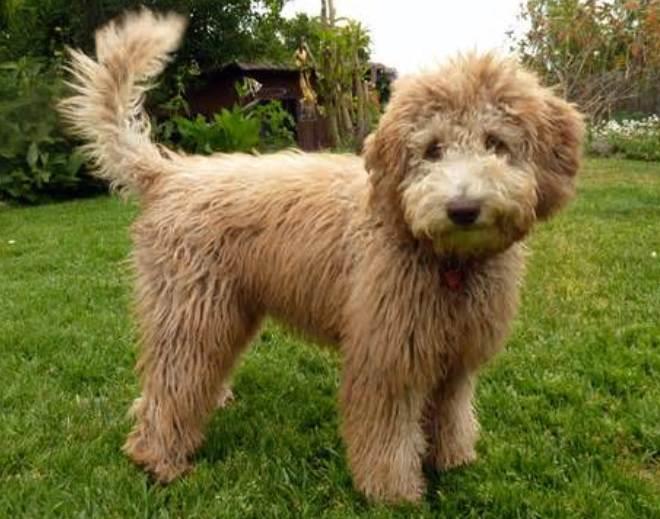
The Labradoodle is a cross between a Labrador Retriever and a Poodle, and for many Australian families it hits a genuine sweet spot: bright, sociable, keen to learn, and often good company for children and other pets. The original idea was a guide dog that might suit an owner with allergies, and that reputation for a lower-shedding coat still draws a lot of people in. What you cannot count on is consistency. Because it is a cross rather than a fixed breed, coat type, size, and even temperament can vary widely from one pup to the next, sometimes within the same litter. This is a rewarding dog for the right home, but the grooming and exercise it needs are real, ongoing work.
History and Origin
The modern Labradoodle traces back to guide dog breeding in Australia in the late 1980s, when a Labrador was crossed with a Poodle to try to produce a guide dog more suitable for someone with allergies. One of the early dogs often named in that origin story is "Sultan".2
Appearance and Physical Characteristics
There is no single Labradoodle look, which is the first thing to accept before you fall for a photo. Larger Labradoodles often stand around 53 to 63 cm at the shoulder and weigh roughly 23 to 30 kg, but size ranges from small to large depending on whether the Poodle parent was Standard or Miniature. The coat can be straight, wavy, or curly, with shedding anywhere from low to moderate. Because "Labradoodle" describes a cross and not an agreed breed standard, one dog may look and behave like a light-shedding, curly-coated Poodle type while another has a straighter coat and sheds more like a Labrador. Designer crosses are not recognised as registered breeds by Dogs NSW, which recognises breeds approved by Dogs Australia and the ANKC, though that says nothing about whether an individual dog makes a good companion.1
Temperament and Personality
In the average household a Labradoodle tends to be an observant, people-focused dog with a busy mind. Many enjoy training, games, and being close to whatever the family is doing, and most do best with a predictable routine. Temperament still varies, so the balance of energy, sensitivity, and focus depends on genetics, early handling, and training rather than the label on the pup.
With children and other animals
Many Labradoodles live happily with children and other pets, but do not rely on reputation alone. Supervise introductions, teach children calm handling, and reward the dog for staying relaxed around movement, noise, and visitors.
As assistance or therapy dogs
Some Labradoodles work successfully in assistance and therapy roles because they can be responsive, trainable, and socially steady. Suitability comes down to the individual dog's temperament, health, and training.
Is a Labradoodle Right for You?
Be honest about the fine print, because with any "oodle" cross it matters more than usual. Coat type, adult size, and health risk can all vary, so you are choosing an individual dog, not a guaranteed set of traits. On allergies specifically, no dog is truly hypoallergenic. Some Labradoodles shed less and may suit some allergy sufferers better than others, but it is not guaranteed, especially in first-generation crosses where the coat is unpredictable. If allergies are a major factor, spend time indoors with the actual dog you are considering, over more than one visit, before you commit.
Training and Exercise
Labradoodles often learn quickly, and that intelligence cuts both ways. Without guidance they invent their own entertainment, whether that is counter-surfing, digging, chasing, or rehearsing noisy greetings. Early training gives them a job, and gentle structure helps them settle.
What works best
Reward-based training is widely recommended because it builds reliable behaviour without escalating fear or conflict. In practice that means setting the dog up to succeed, then rewarding what you want repeated, using food, toys, or calm praise, while managing the environment so unwanted behaviour does not pay off.3
Socialisation
Treat socialisation as safe exposure rather than throwing your pup into the deep end. Quiet streets, gentle visitors, friendly dogs, different surfaces underfoot, car rides, and grooming tools all count. Small, calm experiences add up.
Exercise and enrichment
Most Labradoodles need daily exercise and daily mental work, with the exact amount depending on age, size, and temperament.
- Movement: Brisk walks, off-lead running where it is safe and legal, swimming, and fetch all suit, but build up gradually in young dogs.
- Brain work: Food puzzles, scent games, short training sessions, and "find it" games inside the house.
- Rest: Teach an "off switch". Many young doodles need help learning how to relax.
Health and Lifespan
Labradoodles are often robust and commonly live around 12 to 15 years, though lifespan varies with size and health. They can also inherit problems seen in both Poodles and Labradors, so good breeding and good everyday care both matter.
Common issues to watch for
- Hip dysplasia: A common inherited developmental problem in medium and large dogs that can lead to arthritis and chronic pain. Keeping your dog lean and avoiding excessive growth in puppies helps reduce pressure on developing joints.4
- Ear infections (otitis externa): Dogs with floppy ears, hair in the ear canal, allergies, and frequent moisture exposure, including swimming, can be more prone. Head shaking, odour, redness, discharge, or discomfort are common signs, so see your vet rather than guessing with home remedies.5
- Allergies and skin irritation: Often linked with itching, recurrent ear trouble, paw-licking, or recurrent skin infections. Your vet can help work out whether food allergy, environmental allergy, parasites, or infection is involved.
Health testing and breeder checks
If you are buying a puppy, ask what health testing has been done on the parents. In Australia, hip and elbow screening may be done through schemes such as Dogs Australia's Canine Hip and Elbow Dysplasia Scheme (CHEDS). Testing does not guarantee a perfect dog, but it reduces avoidable risk.6
Grooming and Care
Labradoodle coats look effortless right up until they are not. Wavy and curly coats can mat close to the skin, especially behind the ears, under the collar, in the armpits, and around the tail base, and mats are not just cosmetic because they pull at the skin and trap moisture.
A practical routine
- Brush and comb: Several times a week for most coats, and daily during high-friction periods such as wet weather, swimming, winter jumpers, and lots of play.
- Professional grooming: Many owners book every 6 to 10 weeks, depending on coat type and preferred length.
- Ears: Keep ears dry after swims and baths. If your dog is prone to infections, ask your vet about an appropriate ear-care plan.
Dental care
Dental disease is common in dogs, and prevention mostly comes down to regular home care. Veterinary dental guidelines emphasise that tooth brushing needs to be frequent, ideally daily, to be most effective, because it removes plaque before it hardens into calculus (tartar).9 If brushing is new in your household, start slowly with a finger rub, then a soft brush, then brief sessions focused along the gumline. Your vet can also advise on dental diets and products.
Diet and Nutrition
Choose a complete and balanced diet that suits your dog's life stage, whether puppy, adult, or senior, and keep an eye on body condition. Labradoodles can be enthusiastic eaters, and extra weight quietly loads the joints and can worsen orthopaedic problems over time.
Human foods to avoid
Some common household foods can make dogs seriously unwell. In Australia, animal welfare authorities and pet-care organisations consistently warn against:
- Chocolate
- Grapes, raisins, sultanas (risk of kidney failure)
- Onion, garlic, chives (can damage red blood cells)
- Xylitol (in some sugar-free products)
- Alcohol and caffeine products
If you think your dog has eaten something dangerous, contact your vet immediately.7, 8
The Bottom Line
A Labradoodle can be a steady, lively companion, bright-eyed on the morning walk, nose down in the grass, then quietly near your feet once its needs are met. The care is not complicated, but it is consistent: training that rewards calm choices, exercise that matches the dog in front of you, and grooming that prevents problems rather than chasing them.
References
- Dogs Life (includes Dogs NSW perspective): Breeding designer dogs
- GQ: Man Who Invented the Labradoodle Plagued With Deep and Constant Regret (background on origin story, including Sultan)
- RSPCA Knowledgebase: Reward-based dog training and why the RSPCA supports it
- Morris Animal Foundation: Hip dysplasia in dogs (updated April 4, 2024)
- Merck Veterinary Manual (Professional): Otitis externa in animals (revised/modified Sept 2025)
- Dogs Australia: CHEDS (Canine Hip and Elbow Dysplasia Scheme)
- RSPCA Pet Insurance: Fruit and vegetables (and other foods) to avoid feeding your dog
- Agriculture Victoria (Animal Welfare Victoria): Human foods to avoid for cats and dogs
- AAHA: 2019 Dental Care Guidelines, recommending home oral hygiene and products

Dog lover and writer at My Pets Australia, sharing practical breed guides and care advice for Australian pet owners.