Koi
Koi are the ornamental strain of common carp, bred over generations for colour, scale type and patterning, and they are the fish most people picture gliding through a garden pond. A well-kept koi pond is genuinely lovely to sit beside, and a healthy fish can live for decades. Here is the part that changes everything in Australia: koi are the same species as the carp that damage our waterways, so keeping them is restricted in several states and releasing them is a serious biosecurity offence. The surface looks calm, but the biology underneath is unforgiving, and poor water quality or sudden temperature swings turn into disease and losses quickly. Before you fall for a pattern, check what your state actually allows.1, 2, 3
Quick facts (at a glance)
- Scientific name: Cyprinus carpio (koi are ornamental varieties of common carp).1
- Adult size: commonly 45 to 75 cm in ponds; large carp can exceed 1 m in some conditions.1
- Longevity: carp can be long-lived (30+ years recorded; longer overseas reports exist).4
- Temperature window for spawning (carp): often around 17 to 25°C.4
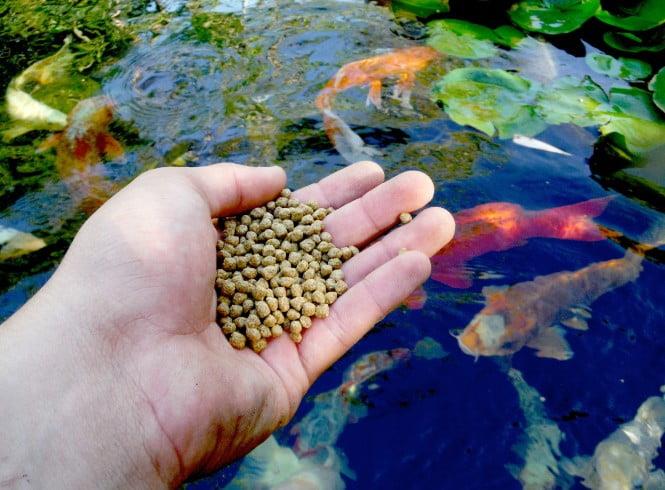
- Diet: omnivorous; in ponds they are typically fed a formulated pellet diet, with natural grazing on invertebrates and plant material as available.5
- Behaviour: shoaling fish; they cope better with stable conditions and adequate space than with frequent handling or constant change.
- Cost: varies widely with size, pattern and breeder line; the biggest ongoing cost is usually filtration, electricity, testing and feed rather than the fish itself.
What is a koi (and why Australia treats them differently)
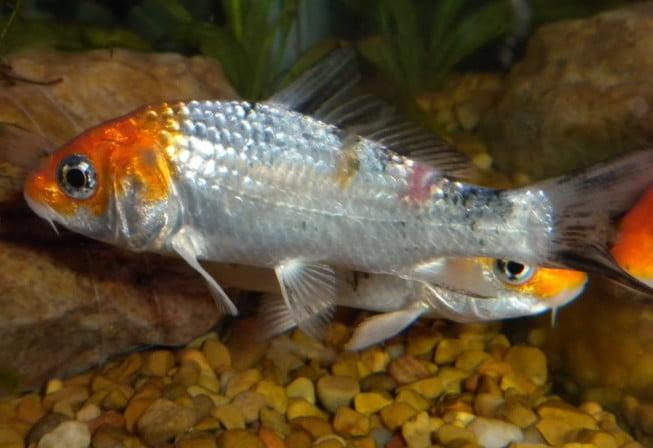
Koi, often called "Japanese carp", are domesticated ornamental strains of common carp (Cyprinus carpio). They are the same species as wild carp, just selectively bred for colour, scale types and patterning.1
In Australia, common carp are an introduced pest that can dominate waterways and damage aquatic habitats by stirring up sediments and uprooting plants. That is why the rules around keeping, selling or moving carp (including koi) can be strict, and why "never release pond fish" is not just good manners. It is essential biosecurity.2, 3
Before you buy: check local rules
Whether you can legally keep koi depends on your state law, so check with your state fisheries or biosecurity authority before you buy. Carp regulations vary by state. As examples, government agencies in NSW and Queensland classify carp as pest, noxious or restricted, and Victoria has treated koi carp as a noxious aquatic species with restrictions on keeping and movement.6, 7, 2
History and Origin
Ornamental koi were developed in Japan from common carp through selective breeding, with colour varieties becoming culturally significant over time. International trade later spread koi keeping well beyond Japan, where they became a familiar feature of garden ponds and public water features.1
Common koi varieties (what the names actually mean)
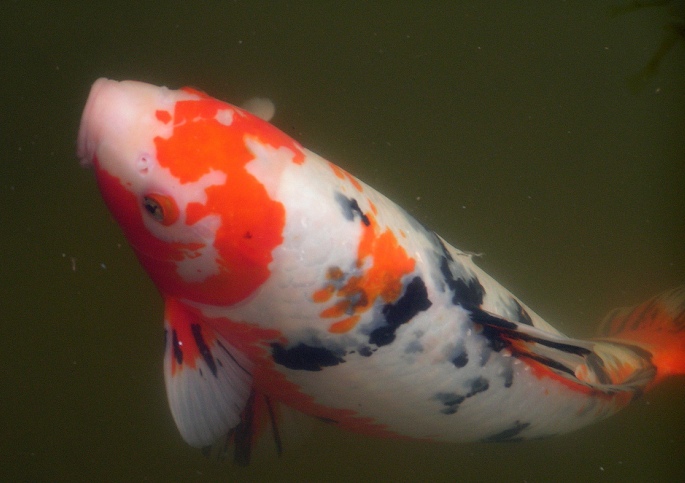
Koi varieties are mostly judged by base colour, pattern placement, and the presence or absence of black (sumi) and metallic sheen. A few you will see most often:
- Kohaku: white base with red patterning.
- Taishō Sanshoku (Sanke): white base with red and black markings.
- Shōwa Sanshoku (Showa): black base with red and white markings.
- Utsurimono: black-based koi with a second colour (often white, red or yellow).
- Gin Rin: "sparkling" scales; can appear across multiple colour varieties.
Names are useful shorthand, but health and conformation matter more than the label. A koi with clean fins, a steady appetite and unfrayed skin will outlast a "rare" fish living in unstable water.
Backyard pond care: the conditions koi actually need
Koi survive a wide range of conditions, but surviving is not the same as thriving. Their best days come with consistency: stable water quality, reliable filtration, and enough volume that the pond does not swing wildly between morning and afternoon.
Pond size and depth (realistic expectations)
There is no single perfect number, because stocking depends on filtration, feeding rate and plant load, but koi are large-bodied fish that produce a lot of waste. In practice, bigger and deeper ponds are easier to keep stable, especially through heatwaves and cold snaps. If you are planning a small pond, fewer koi is almost always the safer choice.
Filtration and oxygen
Most koi losses trace back to water quality. Effective filtration needs two jobs covered:
- Mechanical filtration: removing solids before they break down.
- Biological filtration: supporting beneficial bacteria that process nitrogenous waste.
Good surface movement and aeration matter because low dissolved oxygen can follow warm weather, heavy feeding, algae die-off, or a sudden load of decaying organic matter.5
Feeding: less romance, more observation
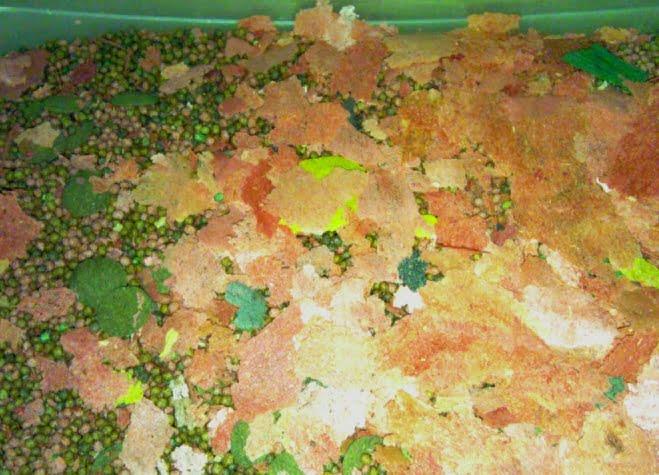
A quality pellet formulated for koi is the backbone of most pond diets. Feed to appetite, not to the label on the tub. One practical rule borrowed from pond management is to only offer what fish can consume within about 10 to 15 minutes, and to adjust down if water quality slips or fish go off their food.5
Cold water slows digestion. In cooler months, many keepers reduce feeding sharply or stop altogether when fish are no longer actively feeding, rather than letting uneaten food rot into the filter and silt.
Breeding and genetics (what is true, and what is oversold)
Carp, including koi, reproduce by external fertilisation, with adhesive eggs typically laid on vegetation in shallow water during warmer periods. In the wild, carp can be highly prolific under suitable conditions.4
Selective breeding is how koi varieties are made: breeders choose parent fish for pattern, colour stability, scale type and body shape. For backyard pond keepers, the practical takeaway is simple. Unplanned breeding can quickly increase stocking pressure and strain water quality, even if only a small fraction of fry survive.
Koi health issues: what usually causes trouble
Disease in koi ponds is rarely a random lightning strike. It more often follows a chain: a stressor, then a decline in water quality, then a parasite or bacterial bloom, then secondary infections.
Common triggers
- Rapid temperature changes (including shallow ponds heating fast).
- Overstocking and heavy feeding without matched filtration.
- New fish introductions without quarantine.
- Poor oxygenation during warm weather or after algae die-off.5
Koi herpesvirus disease (KHV / CyHV-3)
Koi herpesvirus disease is internationally recognised and listed by the World Organisation for Animal Health (WOAH). It affects common carp and ornamental koi, and it is one reason responsible keepers take quarantine seriously and avoid sourcing fish of unknown health status.8
In Australia, cyprinid herpesvirus-3 has been researched as a potential carp biocontrol agent, with work focusing on host specificity and broader ecological considerations. Government and research bodies have also stated that the virus has not been released in Australia.9, 10
Koi appreciation and judging (a gentle primer)
Koi shows and judging tend to focus on health and structure first, meaning body shape, skin quality and fin condition, then pattern balance and colour clarity. The best fish look effortless in the water: a smooth body line, steady swimming, and crisp pattern edges that hold as the fish grows.
Practical red flags (pond and fish)
- Fish gasping at the surface or clustering near waterfalls: often oxygen or water quality trouble.
- Sudden loss of appetite across multiple fish: treat it as a water-quality alarm until proven otherwise.5
- Flashing (rubbing), clamped fins, or repeated jumping: can indicate irritation from parasites or poor water.
- New fish added straight into the pond: one of the quickest ways to introduce disease.
The Bottom Line
Koi are beautiful, long-lived and rewarding for keepers who enjoy the water chemistry as much as the fish. They are also carp, which makes them a restricted or noxious species in parts of Australia, so the first step is always a call to your state authority, not a trip to the seller. If you can keep them legally, give them volume, stable filtration and steady feeding, quarantine every new fish, and never release one into a waterway.
References
- NSW Department of Primary Industries, General information about carp (includes koi as ornamental varieties of common carp)
- Victorian Fisheries Authority, Reminder that koi carp are noxious
- Australian Government Department of Agriculture, Fisheries and Forestry, Carp Biological Control Program
- Murray-Darling Basin Authority, Fish fact sheet: Carp (Cyprinus carpio)
- University of Florida IFAS Extension (EDIS), Managing Florida Ponds for Fishing (feeding rate guidance and oxygen risk from overfeeding)
- NSW Department of Primary Industries, Carp (Cyprinus carpio) species information
- Business Queensland, Carp (restricted noxious fish under the Biosecurity Act 2014)
- World Organisation for Animal Health (WOAH), Koi herpesvirus disease
- McColl et al. (2017), Cyprinid herpesvirus 3 as a potential biological control agent for carp in Australia: susceptibility of non-target species (PubMed)
- Fisheries Research and Development Corporation (FRDC), National Carp Control Plan research (notes the carp virus has not been released in Australia)

Dog lover and writer at My Pets Australia, sharing practical breed guides and care advice for Australian pet owners.