King Charles Spaniel: A Comprehensive Guide to This Charming Breed
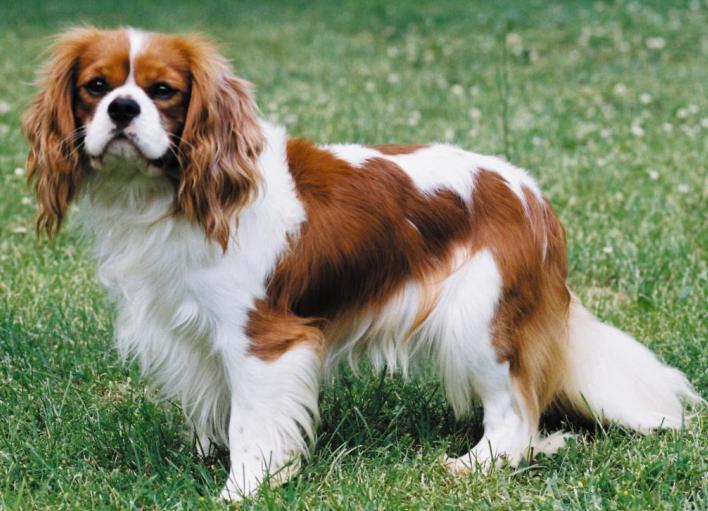
The King Charles Spaniel is the smallest of the spaniels, a compact toy dog bred for company and content to spend most of its day close to you. It has a domed head, a short upturned muzzle, large dark eyes, and a long silky coat with feathering on the ears, legs and tail. In a quiet home it settles easily, drifting from lap to sunny patch to a spot by the door. That short face is also the catch: it makes the breed sensitive to heat and hard exercise, so daily care leans on gentle pacing and a close eye on the ears, eyes and heart.1, 2, 3
Origin: England
Breed type: Toy
Weight: 3.6 to 6.3 kg1
Height: 23 to 28 cm3
Coat: Long, silky and straight; a slight wave is allowed (never curly)2
Colours: Black and tan, tricolour, ruby, and blenheim (chestnut on a pearly white ground)1, 2
Temperament: Reserved, gentle and affectionate2
Life span: Commonly around 10 to 12+ years, varying with health, care and genetics3
Training: Best with reward-based methods in short, consistent sessions4
History and Origin
Toy spaniels have been kept in Britain since at least the 16th century, bred over time into small companion dogs for court and country house living.5 The breed became closely associated with the Stuart court, and King Charles II was famously devoted to his little spaniels, which is where the name comes from.
As fashions in head shape changed, the toy spaniels split into distinct types. The modern King Charles Spaniel is the domed-skulled, short-muzzled "Charlie", while the Cavalier King Charles Spaniel developed later as a separate, larger breed with a flatter skull and longer muzzle. They are related, but they are not the same dog.6
Appearance and Physical Characteristics
This is a refined, cobby dog, meaning short-backed and compact, with long feathered ears and a soft silky coat.2 In the breed standard used in Australia, adult weight is 3.6 to 6.3 kg.1 Many sources give a height of about 23 to 28 cm, though the UK breed standard describes type rather than fixing a height measurement.2, 3
The coat is long, silky and straight, with a slight wave allowed. It should not be curly, and the feathering on the ears, legs and tail is part of the classic outline.2 Recognised colours include:
- Black and tan (glossy black with bright tan markings)
- Tricolour (black and white with tan points)
- Blenheim (chestnut markings on a pearly white ground, often with a central "spot" on the skull)
- Ruby (solid rich chestnut red)
In the standards, white markings are generally undesirable in ruby, and a white chest patch is undesirable in both black and tan and ruby.1, 2
Expect a well-domed skull, large dark eyes set wide apart, and a short turned-up nose with wide nostrils. The bite is slightly undershot, which contributes to the breed's characteristic expression.2 That short face can bring breathing difficulty in hot weather or during intense activity. Many King Charles Spaniels manage well with sensible routines, but it pays to plan your days around cooler walks and careful pacing rather than long midday outings.3
Temperament and Personality
The King Charles Spaniel is typically reserved, gentle and affectionate.2 They tend to stay close, keeping an eye on household movement and quietly rejoining you when things settle. It reads as devotion, and in practice it is a dog bred for companionship doing exactly what it was bred to do.
With children, the main variable is handling. A small toy spaniel can be physically overwhelmed by rough play, so calm supervision and teaching kids how to pick up (or not pick up) a small dog matters more than the breed label.3
Is a King Charles Spaniel Right for You?
This breed suits a household that enjoys closeness, unhurried walks and regular hands-on care. If you want a running or hiking companion, or a dog that can cope with long walks through an Australian summer, this is not the breed for you. The short muzzle makes heat and heavy exercise genuinely risky, and the silky coat and long ears need steady upkeep. Where they shine is quiet company: a small, watchful dog that is happiest when life is near and familiar.
Training and Exercise
Reward-based training suits toy spaniels well: food rewards, praise, and short sessions that end before attention drifts. Harsh corrections tend to backfire, especially in small dogs that are sensitive to pressure.4
Early, gentle exposure to sounds, surfaces, visitors and calm dogs helps them move through the world without becoming jumpy. Keep it slow. The aim is not to make them bold, just to make everyday life feel ordinary.
Most will be content with daily walks and light play rather than endurance exercise. Some breed guides suggest up to about an hour a day split into shorter outings, adjusted for weather and the dog's fitness.3 In warm conditions, choose early mornings and evenings, and watch for noisy breathing, lagging behind, or reluctance to keep going.
Health and Lifespan
No breed is free of health risk, so choose breeders who prioritise soundness and health testing. The UK breed standard is explicit about avoiding exaggerations that harm welfare and stresses that soundness is essential.2 Depending on individual lines, issues that may show up include:
- Heart disease. Mitral valve disease is especially well recognised in the closely related Cavalier King Charles Spaniel, and it is a major focus of formal screening schemes.7, 8
- Breathing and heat sensitivity linked to the brachycephalic (short-muzzled) conformation.3
- Ear problems, including infections, since long feathered ears can trap moisture and debris.9
- Eye conditions, where prominent eyes can be more easily irritated or injured.9
If you are choosing a puppy, ask to see evidence of veterinary checks and any relevant screening done in the line, and get your vet to examine the pup early. Problems caught early are often easier to manage. Lifespan varies, but many sources place the breed around the 10 to 12+ year range, with some individuals living longer when health and weight are well managed.3
Grooming and Care
The coat looks effortless but behaves like fine fabric: it picks up burrs, twists into small knots, and mats behind the ears if ignored. Brush several times a week, and check:
- behind the ears and under the collar
- feathering on the legs and tail
- paw pads, for grass seeds and tangles
Because the ears are long and well feathered, regular gentle ear checks are part of normal care, especially after baths and wet-weather walks.2, 9
Diet and Nutrition
A King Charles Spaniel's small body does not leave much margin for extra weight. Keep meals measured, treats modest, and adjust portions with age and activity level. If you are unsure, ask your vet to help you assess body condition, not just the number on the scales. Veterinary nutrition guidelines emphasise that every pet benefits from an individual nutritional assessment at each visit, with feeding tailored to the animal in front of you, including age, health status and lifestyle.10
A Few Things Worth Knowing
- The King Charles Spaniel and the Cavalier King Charles Spaniel are two separate breeds, not size variations of the same dog.6
- The blenheim colour often carries a central spot of chestnut on the skull, a hallmark of the pattern.
- Even a keen dog needs pacing in the heat; the short muzzle means they can push past their limits before you notice.3
The Bottom Line
The King Charles Spaniel is a small, quiet, silky companion for people who want a dog close by rather than out on the trail. Give it cool, gentle walks, keep on top of the coat and ears, and stay alert to heart and breathing health as it ages, and it will happily fit its life around yours.
References
- Dogs Australia (ANKC), King Charles Spaniel breed standard
- The Kennel Club (UK), King Charles Spaniel breed standard (last updated April 2025)
- Purina UK, King Charles Spaniel breed information (size, lifespan, brachycephalic care notes)
- RSPCA Knowledgebase, What is the best way to train my dog?
- The Kennel Club (UK), Cavalier King Charles Spaniel (historical notes on toy spaniels)
- Horse & Hound, King Charles Spaniel breed profile (history and separation from Cavalier type)
- The Royal Kennel Club, Heart Scheme for Cavalier King Charles Spaniels (mitral valve disease screening)
- The Royal Kennel Club, media release on the Cavalier heart scheme (2019)
- PDSA, Cavalier King Charles Spaniel health advice (ears, eyes, heart and other breed-linked risks)
- WSAVA, Global Nutrition Committee (nutrition guidelines and the value of nutritional assessment)

Dog lover and writer at My Pets Australia, sharing practical breed guides and care advice for Australian pet owners.