Kerry Blue Terrier
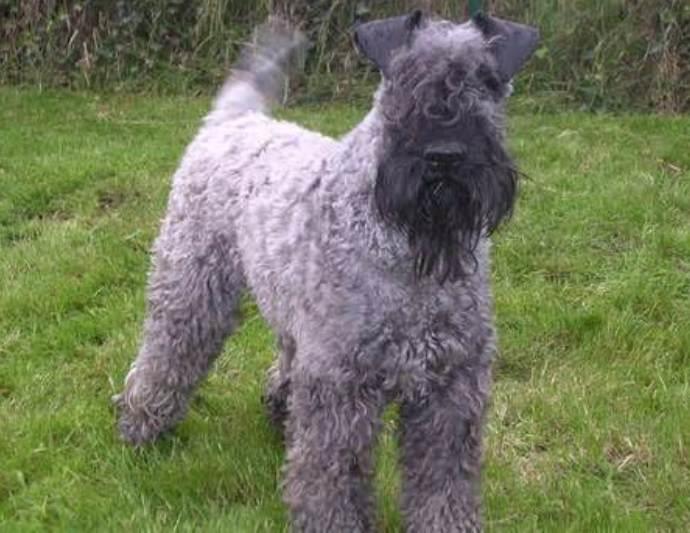
The Kerry Blue Terrier is a medium-sized Irish terrier best known for its soft, wavy coat and its unusual colour, a blue that ranges from light silver to dark slate. It is a bright, athletic, people-focused dog that bonds hard with its family and notices everything going on around it. Puppies are usually born black and gradually clear to blue as they grow, so the colour you bring home is not the colour you end up with. It is a rewarding breed for people who enjoy an involved, trainable dog. It is also a real commitment on grooming and mental exercise, and the coat needs ongoing work.
History and Origin
The breed is closely tied to County Kerry in south-west Ireland, where it earned its keep as an all-round working terrier. Like many farm terriers, it was valued for versatility, able to turn its paws to whatever farm and field task the day called for. Even respected breed authorities note that the exact origin story is still uncertain, with more than one tale attached to the breed's early days.4
Appearance and Physical Characteristics
A typical Kerry is medium-sized and athletic, with a compact body and a strong, rectangular head. Adult males stand about 46 to 48 cm at the shoulder, with females slightly less, and males commonly weigh 15 to 17 kg, with females proportionately lighter. Some standards allow up to around 18 kg for males.1, 2 The defining feature is the coat: soft, dense and wavy rather than harsh or wiry, and low-shedding.1
Colour is where new owners are often caught out. Kerry pups may begin life very dark, often black, then clear through stages towards the adult blue, which can run from light silver-blue to dark slate. Breed standards allow the darker puppy colour up to about 18 months, so a dark puppy is not the wrong colour in this breed.1, 3
Temperament and Personality
The Kerry Blue is a confident, alert dog that attaches deeply to its people and likes to be in the middle of things. Many are friendly with familiar visitors, but it is common for them to be reserved with strangers and selective with other dogs, especially when early social experiences are thin.6 This is classic terrier territory: intelligent, observant, and inclined to make its own decisions when the rules are vague. With calm, consistent handling they are easy company. With inconsistent boundaries they can become noisy, reactive, or simply hard to live with.
Is a Kerry Blue Terrier Right for You?
A Kerry can be a good match if you want a dog that is engaged and notices everything, one that can learn a great deal with consistent, reward-based training, and a low-shedding coat, though that is never a guarantee for allergy sufferers.6
Think twice if you want a set-and-forget dog, because Kerries are usually too bright and active for that. Think twice too if you want minimal grooming, because the coat does not shed much but does need regular brushing and clipping to stay comfortable. And do not count on a guaranteed dog-park socialite: some Kerries are fine, others are selective, and early socialisation makes the difference.6
Training and Exercise
Kerries do best with training that is short, regular, and practical, done in the places they actually need to behave: the footpath, the park gate, the front door. They respond well to reward-based methods and learn patterns fast, including the ones you did not mean to teach. Plan for daily movement plus mental work. Many enjoy structured activities such as obedience, scent work, or agility, because they get to run their body and use their brain in the same session.
- Start early: gentle handling, grooming practice, and calm exposure to people and dogs while the puppy is still open to the world.
- Keep it fair: clear cues, consistent routines, and rewards that matter to the dog.
- Teach switch-off skills: settling on a mat, quiet time after walks, and alone-time training if you work away from home.
Health and Lifespan
Kerry Blue Terriers are commonly described as generally healthy, and life expectancy is often cited at around 12 to 15 years, though individual dogs vary.5 No breed is problem-free, and individual risk depends on family lines, screening, and general care. A few conditions come up repeatedly in veterinary references.
Hip dysplasia is a developmental condition where the hip joint does not form as well as it should, which can lead to pain and osteoarthritis over time. Signs can include stiffness, reduced willingness to jump, lameness after exercise, or a bunny-hopping gait. Diagnosis typically relies on veterinary examination and x-rays.7
Eye and skin problems are also flagged, including dry eye (keratoconjunctivitis sicca) and a tendency to allergies or secondary skin infections. Any persistent redness, rubbing, discharge, or recurrent itch warrants a proper veterinary check rather than guesswork at home.6
Von Willebrand disease (vWD), a hereditary bleeding disorder, is reported in the breed. It is one reason many vets recommend testing ahead of elective procedures such as desexing, particularly if a dog's family history is unknown.6
Grooming and Care
The coat is one of the breed's defining features, and it comes with a reality: it needs ongoing care. Because it is soft, wavy and low-shedding, loose hair tends to stay in the coat until you brush or clip it out, which means mats can form close to the skin if the work is skipped.1, 6 Most pet Kerries need:
- Brushing and combing: at least weekly, more often if the coat is kept longer, to prevent mats forming close to the skin.
- Professional grooming or clipping: roughly every 6 to 8 weeks, depending on coat length and lifestyle.
- Routine checks: ears, nails, and teeth as part of the weekly pattern, small work done often.
A Few Things Worth Knowing
- Ask what health testing is done in the line, especially hips, eyes, and any known breed-related issues.
- Meet at least one parent if you can, and notice how they respond to visitors and handling.
- Look at coat and skin condition: clean ears, clear eyes, no persistent itch or strong odour.
- Expect the coat colour to change. A dark puppy is normal in this breed.3, 4
The Bottom Line
The Kerry Blue Terrier suits people who want an intelligent, involved dog and are happy to put in the training and grooming it needs. Give it consistent boundaries, daily physical and mental exercise, and regular coat care, and you get an engaged, capable companion. Skip those things and a bright terrier will find its own ways to fill the gap. For an active household that wants a dog to work with rather than around, it is a strong choice.
References
- Dogs NSW (ANKC): Kerry Blue Terrier breed standard
- The Kennel Club (UK): Kerry Blue Terrier breed standard
- United Kennel Club (UKC): Kerry Blue Terrier breed standard (colour clearing by 18 months)
- American Kennel Club (AKC): Kerry Blue Terrier background and coat colour change
- The Spruce Pets: Kerry Blue Terrier overview (typical lifespan range and coat description)
- PetMD: Kerry Blue Terrier health and care (temperament, grooming, common conditions)
- Merck Veterinary Manual (Pet Owner Version): Hip dysplasia in dogs

Dog lover and writer at My Pets Australia, sharing practical breed guides and care advice for Australian pet owners.