Keeping an Australian Crocodile as a Pet
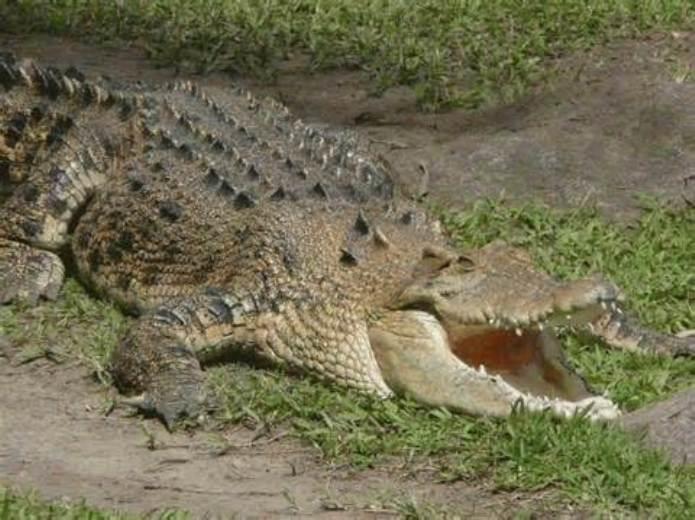
The saltwater crocodile is the largest living reptile on Earth, a fast, ancient apex predator that has patrolled Australia's northern waterways for millions of years, and the freshwater crocodile is its smaller, sharper-snouted cousin. It is easy to see why people find them fascinating. It is much harder to legally own one. In most of Australia crocodiles are protected wildlife and cannot be kept as ordinary pets, and where captive keeping is allowed at all, it sits behind strict permits tied to farming, display, education or research.1, 2 This is a reality check first and a care guide second, because for a household pet the honest answer is almost always no.
Can you legally keep an Australian crocodile?
In most of Australia, crocodiles are not treated like conventional pets. They are protected wildlife, and keeping one typically requires permits tied to specific purposes such as commercial farming, display, education, research or other authorised wildlife keeping, not simply because you want one at home.1, 2
Wildlife laws and licence categories are set by each state and territory, but the shape of the system is consistent. You need approval before you acquire the animal, and "I already have it" is not a defence.3, 4 Animals must come from a lawful source, and taking crocodiles from the wild is treated seriously.4 Enclosures and husbandry are regulated, sometimes down to pool dimensions and temperature ranges, and may be subject to inspection.3, 5 In some jurisdictions private keeping is prohibited altogether, while licensed keeping for farming, display or education is still allowed.2
If you are trying to work out legality, start with your state or territory wildlife authority. Search "crocodile", "licence" and "private keeping" on their site, then confirm in writing before you do anything else.
Queensland
Queensland is explicit: crocodiles cannot be kept as pets, even though there are licensed pathways for farming, education and other regulated activities.2 Enforcement makes the practical risk clear. Unlawfully keeping a hatchling crocodile has resulted in seizure and a fine, with maximum penalties available through the courts.4
Northern Territory
In the Northern Territory, pet crocodile ownership has been in flux. Government guidance indicates it is being legislated and linked to permit processing and enclosure inspection, and states that you must not purchase a crocodile until you have an approved permit and an enclosure inspection by Wildlife Operations.3
Victoria
Victoria shows how specific the rules can get. It publishes detailed minimum conditions for crocodile housing under private wildlife licence settings, including pool dimensions relative to the crocodile's length and defined water and basking temperature ranges.5
Western Australia
Western Australia operates a fauna "pet keeper's" licensing system for certain native reptiles, amphibians and birds, but crocodiles are explicitly excluded from the approved pet list in current public guidance around the species list and its review process.6, 7
The two Australian species
Australia has two living crocodile species, and neither is a domesticated animal. The freshwater crocodile (Crocodylus johnstoni) is the smaller of the two, commonly around 2 metres and sometimes up to 3 metres.8 The saltwater crocodile (Crocodylus porosus) is the largest living reptile and is widely cited as reaching up to about 7 metres.9
Even the smaller species remains a powerful, fast predator with specialised needs, so size is only one part of the problem. The rest is logistics: secure containment, safe servicing of the enclosure, temperature control, water quality, staff training, contingency planning, and access to experienced reptile veterinarians.
Housing and secure containment
Captive crocodile housing is built around two competing needs, a stable environment for the animal and a secure barrier between the animal and everything else. Jurisdictions that publish minimum enclosure standards typically require a pool sized to the animal, for example at least twice the length of the largest crocodile, with enough depth to submerge fully and swim freely.5 They also require controlled temperatures, including defined water temperatures and a warmer basking site, and a dry platform large enough for the animal to rest and thermoregulate properly.5
Those are minimums, not a blueprint. A safe enclosure also has to be serviceable. You need a way to feed, clean and maintain it without entering the same space as the animal, and you need redundancy in locks, barriers and gate systems.
Feeding and nutrition
Crocodiles are carnivores with a feeding ecology shaped by age and habitat. Freshwater crocodiles commonly take fish and invertebrates, and larger individuals can take a broader range of prey.8
In captivity, diet planning is usually built around whole-prey or appropriately formulated carnivore feeding strategies, with careful attention to growth rate, bone health, hygiene and safe feeding practice. Live feeding is not a requirement for crocodile welfare. It can create avoidable welfare problems for prey animals and riskier handling routines for keepers.
Health and veterinary care
Veterinary care for crocodilians is specialised. Even where a permit pathway exists, finding a vet with crocodilian experience and arranging safe transport and handling can be a limiting factor. Where crocodile keeping is permitted, licence conditions and welfare codes can be enforceable, including mandatory housing standards designed to prevent chronic stress, injury and disease.5
Handling, training and risks
A crocodile does not need to be large to cause life-changing injury. It is normal for a captive crocodile to become habituated to routine, including predictable feeding and servicing, but that is not the same as being safe to handle. Any guidance implying that a private keeper can build a "trusting relationship" through regular handling is misleading. Handling increases risk, and experienced facilities minimise it through barriers, planning and, when necessary, professional restraint protocols.
The main risks are severe bite injuries during feeding, enclosure servicing or attempted handling; escape, which can endanger neighbours and lead to the animal being destroyed during recapture; and welfare failure from inadequate heat, water quality, space or stress management. Regulators treat these as real, and Queensland has taken compliance action for unlawful keeping, including confiscation and fines.4
Ethics and alternatives
Crocodiles evolved for large ranges, complex waterways and seasonal rhythms. Captive care can meet welfare needs in well-designed, professionally run settings, but the bar is high, and the crocodile will live with the result for decades. Before considering any pathway that involves private keeping, it is worth asking whether the enclosure you can realistically build and maintain is closer to an exhibit-grade habitat or closer to a holding pen.
If what you want is crocodiles rather than ownership, there are better routes:
- Visit accredited zoos and wildlife parks that keep crocodiles under regulated display standards.
- Support crocodile research and conservation programs through reputable organisations.
- Consider a licensed reptile species that is appropriate for private keeping in your state, where legal, and within your experience level.
The Bottom Line
Keeping an Australian crocodile as a pet is usually not legal, and where captive keeping is possible under permits, it is tightly controlled and demanding. The animal's size and strength, the need for secure containment, and the specialised welfare requirements make this a responsibility that belongs, in most cases, with licensed professional facilities rather than households.2, 3
References
- Department for Environment and Water (SA), Keep native animals as pets (permit overview)
- Queensland Government (DETSI), Crocodile licences and permits
- Northern Territory Government, Keeping protected and prohibited wildlife (crocodile permits)
- Queensland Government (DETSI), Fine for possessing hatchling crocodile (20 May 2025)
- Victorian Government, Private wildlife licence conditions (includes crocodile enclosure standards)
- DBCA (WA), Fauna licences (pet keeper's licence overview)
- DBCA (WA), Pet keeper's licence species list review (notes crocodiles excluded)
- Australian Museum, Freshwater crocodile (Crocodylus johnstoni)
- Queensland Museum, Crocodylus porosus (saltwater crocodile) facts

Dog lover and writer at My Pets Australia, sharing practical breed guides and care advice for Australian pet owners.