Jack Russell Terrier: A Comprehensive Guide to This Energetic Breed
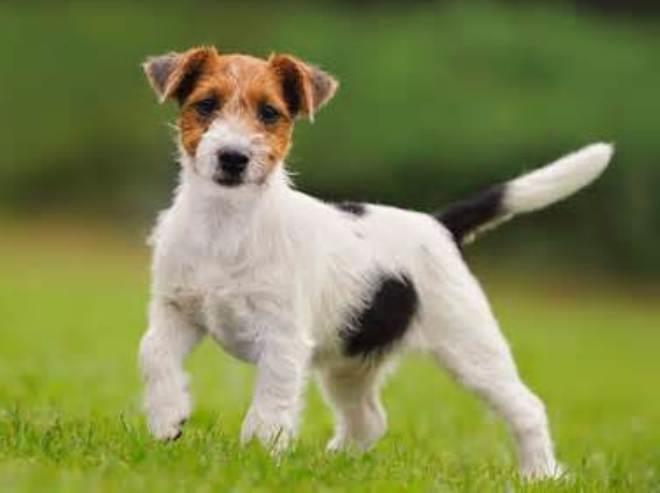
The Jack Russell Terrier is a small working terrier with a big engine, bred in England to keep pace with horses and hounds and go to ground after fox. That history is still stamped on the dog: compact, athletic, quick to learn, and endlessly interested in whatever moves. In the right home they are affectionate, funny, and genuinely rewarding to train. It is also a serious commitment, because a Jack Russell with nothing to do will invent a job, and the job is usually barking, digging, escaping, or chasing. This guide covers what they are built for, how they behave, and what daily life with one really involves.
Size: 25 to 30 cm at the shoulder (ideal height)
Weight: roughly 1 kg per 5 cm of height (about 5 kg at 25 cm, about 6 kg at 30 cm)
Coat: smooth, broken, or rough; weatherproof
Colour: white must predominate, with black and/or tan markings
Temperament: alert, energetic, intelligent; often bold and independent
Life span: often into the teens with good care (individual variation)
Health issues (seen in the breed and similar small terriers): patellar luxation is a common small-dog orthopaedic problem; some lines may have hereditary deafness
Exercise needs: high, with daily movement plus training and problem-solving
Training: quick learner; best with calm consistency and positive reinforcement
Grooming: low to moderate; regular brushing, occasional baths
History and Origin
The Jack Russell Terrier developed in England as a working terrier meant to follow horses, keep up with hounds, and go to ground after fox. That purpose still shows in the body: compact, athletic, and built for stamina rather than looks.
Most Jack Russells today live as companions rather than hunters, but the instincts sit close to the surface. Give them enough exercise and something meaningful to do and they are usually at their best. Leave them idle and they will create their own projects.
Appearance and Physical Characteristics
Size and build
In Australian breed standards, the ideal height for a Jack Russell Terrier is 25 to 30 cm at the withers, with weight roughly matching height at about 1 kg per 5 cm, so a lean, fit dog often sits around 5 to 6 kg.1, 2
The body should feel solid and ready to move, more wiry athlete than toy dog. A Jack Russell in hard condition is typically muscular through the shoulders and hindquarters, with a springy, efficient gait.2
Coat and colour
Coats may be smooth, broken, or rough, and should be weatherproof rather than silky.2 Colour is predominantly white with black and/or tan markings.2
Temperament and Personality
A Jack Russell Terrier is alert, fast, and busy-minded. Many are excellent problem-solvers who notice patterns quickly, especially patterns that lead to doors opening, snacks appearing, or a chase beginning.
Common traits owners report, and should plan around, include:
- High prey drive: chasing wildlife, cats, and small pets can be instinctive behaviour, not naughtiness.
- Digging and sniffing: natural terrier behaviours, often intensified when the dog is under-stimulated.
- Vocal commentary: many Jack Russells are quick to alert-bark, particularly at movement and noise.
- Boldness with other dogs: confidence can tip into pushiness if social skills are not taught early.
They make lovely family dogs in homes that enjoy training and daily activity. In quieter households, their energy can feel relentless.
Children and other animals
With children, the main issue is usually mismatch rather than malice: a small, fast dog and an excited child can escalate play into nipping or rough handling. Calm supervision, clear rules, and a safe off-switch space such as a crate or pen all matter.
With other animals, early socialisation helps, but it does not erase instinct. Assume any off-lead time around small pets or wildlife needs active management.
Is a Jack Russell Terrier Right for You?
Be honest about your daily routine before you commit. A Jack Russell suits people who like being active and who will enjoy training as an ongoing part of life, not a one-off puppy phase. If you are hoping for a quiet lap dog who will settle for a short stroll and a nap, this is not the breed for you.
The dogs who struggle are the ones left alone and under-exercised in a quiet home, because a bored terrier finds an outlet whether you like it or not. Match the dog to a household that has the time, energy, and patience, and a Jack Russell can be one of the most engaging small dogs going.
Training and Exercise
Why early training matters
Jack Russells are bright enough to train themselves if no one else does. Early work on recall, loose-lead walking, calm greetings, and settling quietly at home pays off for the dog's whole life.
Training that suits the breed
Short, frequent sessions usually work better than long drills. Positive reinforcement, using food, toys, or access to play, tends to produce faster learning and fewer battles of will.
Focus on skills that keep a terrier safe and manageable:
- Recall with real distractions (start on a long line)
- Leave it and drop for scavenging and wildlife interest
- Settle on a mat so the dog learns to switch off indoors
- Polite lead manners to stop daily walks becoming a wrestling match
Daily exercise, and the part people miss
Most Jack Russells need a solid daily outlet: brisk walking, running in a safe area, structured games such as fetch with rules, and scent work. Physical exercise alone often is not enough. They also need mental work, whether that is training, puzzle feeders, or problem-solving games, so the brain does not go looking for trouble.
Health and Lifespan
Common issues to discuss with your vet
No breed is problem-free. In small, active dogs, patellar luxation (kneecap dislocation) is one of the more common orthopaedic diagnoses, and it can range from an occasional skip to persistent lameness and arthritis risk.3, 4 If you notice hopping, skipping steps, or a back leg that seems to pop out and recover, it is worth a proper assessment.
Hereditary deafness is also seen in some predominantly white dogs. If you are buying a puppy, ask breeders what health testing is done in their lines and what support they offer if a problem appears later.
Preventative care that makes a difference
- Keep your dog lean, because extra weight adds strain to joints and can worsen lameness problems.
- Book regular veterinary checks, and do not ignore intermittent skipping behind.3, 4
- Prioritise dental care (brushing is ideal; ask your vet about realistic options for your dog).
- Use parasite prevention appropriate to your region and lifestyle (your vet can tailor this).
Grooming and Care
Jack Russell grooming is straightforward, but it is not no grooming. Smooth coats still shed. Broken and rough coats often benefit from regular brushing to prevent tangles and to lift dead hair, especially through seasonal coat changes.
Bathe only when needed, using a dog-appropriate shampoo, and treat grooming as a quiet health check: look at ears, nails, skin, and the spaces between toes.
Diet and Nutrition
These terriers burn energy quickly, but they can also become overweight if treats flow freely and exercise drops. Choose a complete, balanced diet suited to the dog's life stage and activity, and measure portions rather than guessing.
Foods to avoid
Some human foods are genuinely dangerous for dogs. Chocolate, grapes and raisins, onions and garlic, macadamias, and cooked bones are well-known examples.5, 6 If ingestion happens, treat it as time-sensitive and contact your vet promptly.
A Few Things Worth Knowing
Jack Russells are famously springy, and many can jump startling heights for their size. It is less a party trick than working-dog athleticism: a light frame, powerful hindquarters, and intense focus on whatever has caught their attention.
They also turn up in film and television more often than many breeds, largely because they are highly trainable in the right hands and tend to read as alert on camera.
The Bottom Line
A Jack Russell Terrier thrives in motion: morning walks with purpose, training that stays interesting, and a home that sets gentle boundaries. In return you get a small dog with a sharp mind and an engine that rarely idles. They suit people who enjoy active daily routines far better than anyone hoping for a quiet lap dog.
References
- Dogs Australia (ANKC), Jack Russell Terrier breed standard
- Dogs NSW, Jack Russell Terrier breed standard (ANKC)
- American College of Veterinary Surgeons, Patellar luxation in dogs
- American College of Veterinary Surgeons, Medial patellar luxation (overview)
- RSPCA Pet Insurance Australia, Food basics for puppies (common toxic foods)
- RSPCA Pet Insurance Australia, Safe diet for dogs (foods to avoid)
- The Kennel Club (UK), Parson Russell Terrier breed standard (context on closely related working terrier type)
- United Kennel Club (US), Parson Russell Terrier breed standard (height range and type)

Dog lover and writer at My Pets Australia, sharing practical breed guides and care advice for Australian pet owners.