Indian Half Bred Horse
The Indian Half-bred is a Thoroughbred-influenced working horse type developed in India, prized for toughness in heat, over distance, and on inconsistent feed while still carrying enough athleticism for sport. It has earned its keep as an army and police mount, a polo pony, and a general riding horse.1 The one thing worth fixing in your mind early is that "Half-bred" is not a single, tightly standardised breed. It is a purpose-bred type, so size, temperament, and ability drift a long way from horse to horse. That variability is the whole story, and it is why the label alone tells you very little about the animal in front of you.
At a Glance
- Type: Cross-bred horse developed in India, often Thoroughbred stallions over local and imported mares1
- Typical height: Variable, often around riding-horse height but not fixed1
- Typical weight: Variable, depends on build, parentage, and management1
- Common uses: Army and police mounts, polo, recreational and competitive riding1
- Coat colours: Variable, not breed-limited1
- Temperament: Commonly described as hardy and practical, with trainability that varies by breeding and handling1
History and Origin
The Indian Half-bred came out of mounted work, not a fashion for a particular look. Cavalry and remount programmes needed horses that could handle heat, distance, and unreliable feed while keeping the athleticism that Thoroughbred blood provides. Breeders crossed Thoroughbred stallions over a range of mares, including local country-bred stock and imported broodmares from several sources, which produced a hardy but genuinely varied population.1 Sitting behind all of this is the Indian Army's long-running remount system, which has maintained organisations responsible for breeding, rearing, and training service animals, and that shaped what was selected for and what was kept.2
Appearance and Physical Characteristics
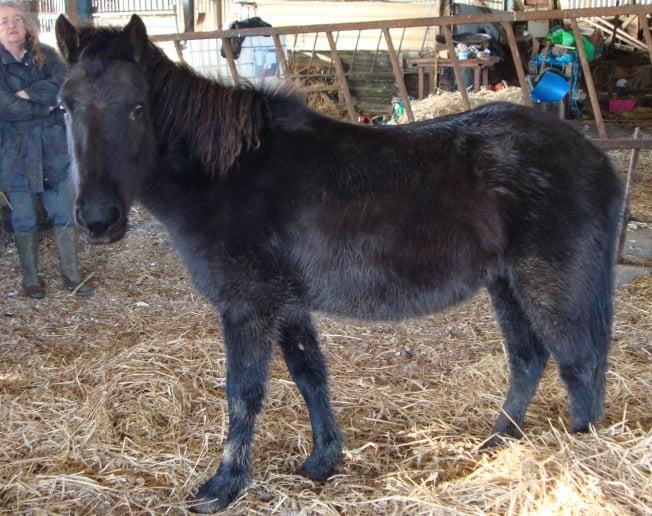
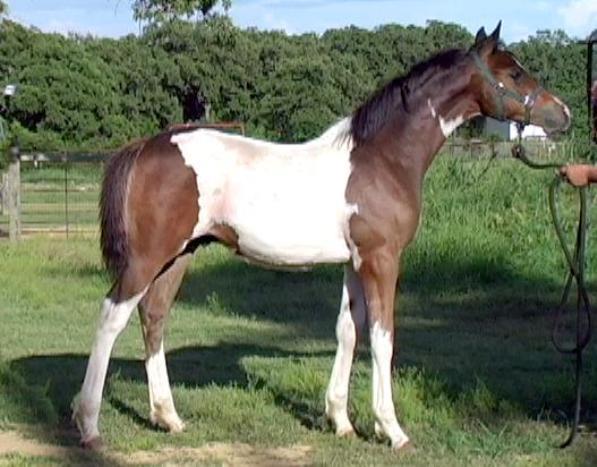
There is no single correct Indian Half-bred look. Descriptions favour practicality over uniformity: many are wiry, hardy, and well adapted to local terrain and climate, with conformation that can vary widely.1 Because the local dam lines come from different regions and types, two horses sold under the same label can look and feel quite different under saddle. If you are assessing one in Australia, put less weight on a generic height and weight figure and more on what is actually in front of you: overall balance, straightness of limb, quality of feet, and whether the horse holds condition easily on the feed you can reliably provide.
Temperament and Personality
Temperament here is shaped by breeding, early handling, and ongoing management, so judge the individual rather than the type.1 Indian Half-breds are commonly described in broad terms as hardy and serviceable. A horse bred for mounted work may stay calm in busy environments, while a sharper, more Thoroughbred-leaning individual will want consistent training and plenty of turnout. Do not read "quiet" as beginner-safe. Look for steady responses to pressure, a clean stop, and a willingness to stand and wait without escalating.
Is an Indian Half-bred Right for You?
In Australia you are most likely to meet these horses as riding horses, valued when they pair toughness with enough athleticism for lower-level sport.1 Suitability for racing, show jumping, or polo comes down to the individual's build, soundness, and schooling, not the label. A horse is also a serious, long-term commitment of time, money, and land, so the honest question is less about the breed type and more about whether you can provide consistent care and the right level of rider for the specific animal. Assess the horse in front of you, with a vet check and an honest look at your own resources, before the name on the listing does any of your thinking for you.
Training and Exercise
With a varied type, quietly methodical wins. Confirm the foundations first, leading, tying, feet handling, trailer loading, and calm acceptance of tack, before you ask for collection or intensity.
- Keep sessions short: frequent, low-drama repetition builds reliability without dullness.
- Reward the try: release pressure early when the horse offers the right response.
- Condition gradually: tendons and hooves adapt slower than fitness and enthusiasm.
Health and Lifespan
It is not accurate to say this type has "no health issues". Cross-bred horses may dodge some problems tied to narrow gene pools, but they are still exposed to the everyday realities of horse health: parasites, dental problems, lameness, metabolic issues, and colic risk linked to dehydration or sudden diet change.3, 6 When buying, focus on individual soundness and history: a veterinary examination, feet quality, and how the horse holds condition through seasonal changes will tell you more than any breed claim. Pedigree where available, early handling, and conformation assessment also predict how a particular horse matures and performs far better than the category name.1
Care and Housing
Good care for an Indian Half-bred is the same quiet scaffolding that keeps any horse well: consistent roughage, clean water, shelter, and regular health checks. Australian guidance is clear that horses need suitable shelter from sun, wind, and rain, along with enough space and exercise, and that long-term tethering is not acceptable.5
Water needs shift with heat, work, and diet. Queensland DPI guidance commonly places adult horses around 25 to 50 litres per day depending on conditions, and points out that dehydration increases colic risk.6 NSW's Animals in Schools guidance similarly stresses adequate access to water, noting a resting horse in a cool environment may drink about 25 litres per day, with needs rising alongside dry matter intake and conditions.7 For a simple planning figure, ACT Government livestock guidance lists horses at roughly 40 to 50 litres per day, with higher needs for young and lactating animals.4
Diet and Nutrition
Plan around fibre first. Agriculture Victoria notes that horses typically consume about 1.5 to 2 percent of body weight in dry feed per day, and suggests 1.7 percent as a safer figure for feed budgeting, since individual needs vary.3 Monitor weight trends rather than guessing from height or breed label, keep a consistent farrier schedule because poor feet will undo any hardy reputation, and check teeth regularly, especially if the horse drops feed or loses condition.3 Introduce any new feed gradually over several days to protect the gut.6, 7
A Few Things Worth Knowing
- Stories about specific famous Indian Half-breds, with titles and dates, are often repeated without strong documentation. It is more accurate to say the type has been used widely in service and sport in India, including mounted roles and polo, with a long association with practical working selection.1, 2
- The main challenge for owners is not the horse's origin, it is management under modern costs and a swinging climate. In drought and high feed-cost periods, underfeeding and delayed intervention are recurring welfare risks, so plan feed, water, and shelter early and act promptly when condition is not improving.6
The Bottom Line
The Indian Half-bred is best understood as a hardy, Thoroughbred-influenced horse type shaped by service needs and practical selection, not a uniform breed with one description that fits all.1 Judge the individual in front of you, its conformation, training, health, and the resources you can provide, and you will make a safer call than any height-and-weight summary can offer.
References
- Indian half-bred (overview, history, uses), Wikipedia
- Remount Veterinary Corps (Indian Army animal breeding and training role), Wikipedia
- Feed requirements of horses, Agriculture Victoria
- Livestock advice (horse water requirements examples), ACT Government
- Basic horse care (shelter, space, tethering), Agriculture Victoria
- Feeding horses (drought feeding and water guidance), Queensland Government (DPI)
- Horses, food and water, NSW Department of Education (Animals in Schools)

Dog lover and writer at My Pets Australia, sharing practical breed guides and care advice for Australian pet owners.