Discovering the Icelandic Horse: A Unique Breed with a Rich History
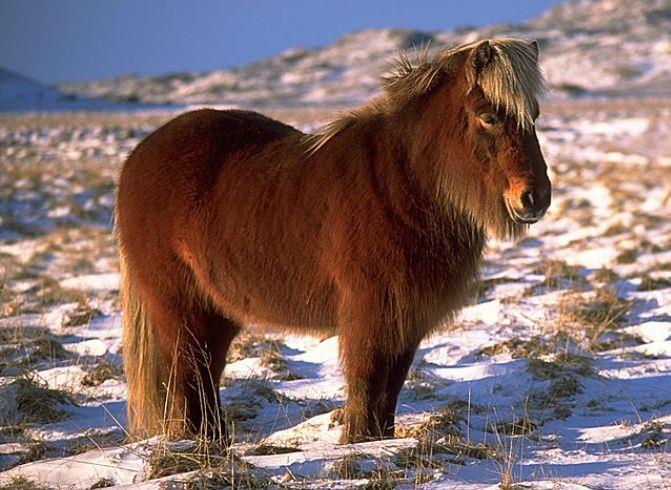
The Icelandic Horse is a compact, hardy breed built for long days over rough country, small enough to look pony-like yet sturdy enough to carry adults. Its calling card is the tölt, a smooth four-beat gait that lets you cover ground for hours without being bounced around. People are usually drawn to that comfortable ride, the tough constitution, and the breed's carefully protected purity in its homeland. It is a genuinely good all-rounder for the right rider. It is also a real horse with real needs, and a few breed-specific details, gaits, biosecurity rules, and health risks, matter more than they do with most horses.1, 2
Quick Facts
Height: commonly around 13 to 14 hands (about 130 to 145 cm at the withers)1, 2
Weight: often around 350 to 400 kg (varies with type, sex, and condition)2
Colours: many colours and patterns are seen across the breed2
Life expectancy: many live into their late 20s and 30s with good management, and individual variation is normal1
Diet: pasture and hay for most of the diet, with concentrates only when genuinely needed8
Distinct features: thick mane and tail, winter coat, and often extra gaits: the tölt and sometimes flying pace1
Origin: Iceland, developed from horses brought by Norse settlers in the 9th and 10th centuries1, 2
Population: not rare globally, with substantial populations in Iceland and overseas, though figures vary by registry and reporting method2, 3, 4
History and Origin
Icelandic Horses descend from animals brought to Iceland by Norse settlers in the 9th and 10th centuries. Over the centuries a harsh climate and rugged terrain selected for hardiness, sure-footedness, and an efficient way of travelling over distance. Because the breed developed under isolation and strict biosecurity, today's horses still carry a distinct island consistency in type and temperament.1, 2
One detail matters for anyone buying overseas: horses exported from Iceland are not permitted to return. The point is disease prevention, protecting a population that has long been sheltered from many equine infections found elsewhere. Australian buyers should also factor in this country's own import and biosecurity requirements before committing.1
Appearance and Physical Characteristics
An Icelandic Horse is a study in practical adaptation: compact body, strong bone, and a coat built for long, cold weather. They typically stand around 13 to 14 hands and weigh in the range of 350 to 400 kg, with many colours and patterns seen across the breed. The thick mane, full tail, and dense winter coat are all part of the package.1, 2
The gaits: walk, trot, canter, plus tölt and sometimes flying pace
Many Icelandic Horses are five-gaited, meaning they can perform the usual walk, trot, and canter or gallop, plus the smooth four-beat tölt and the fast two-beat lateral flying pace.1
Not every Icelandic Horse paces. Some are described as four-gaited, having the tölt but not a reliable flying pace, and some individuals prefer trot over tölt depending on conformation, training, and comfort.1, 7
Temperament and Personality
Well-bred, well-handled Icelandic Horses are commonly described as sensible, forward without being frantic, and people-oriented without being clingy. They are often a strong match for riders who want a comfortable all-day gait and a horse that copes with weather and varied terrain. That steady, willing nature is a big part of why the breed travels so well beyond Iceland.1, 2
Is an Icelandic Horse Right for You?
Their manageable size can feel reassuring, but it does not automatically make them easy. They are strong, athletic animals with opinions, and they do best with clear handling, consistent boundaries, and a saddle fit that allows free shoulder movement for the tölt. As a family horse they suit households ready to give a real horse real time, not people after a low-effort paddock ornament. If you can offer daily movement, sound feeding, and consistent training, this breed rewards it well.1
Training and Exercise
Icelandic Horses usually respond best to calm, consistent training with good timing. The aim is not to force a gait, but to build balance and relaxation so the horse can offer the tölt without bracing through the back or rushing.1
Daily movement matters. Many do well with turnout plus riding or in-hand work several days a week, adjusted for age and soundness. Variety helps: hills, poles, gentle transitions, and long straight lines are often more useful than endless circles in an arena.
Health and Lifespan
Icelandic Horses have a reputation for toughness, and many stay sound and useful well into older age, often into their late 20s and 30s with good management. The main risks are not mysterious breed curses. They are usually management problems that show up when a good doer is fed and stabled like a larger performance horse.1
Sweet itch (insect bite hypersensitivity)
Sweet itch, also called insect bite hypersensitivity, is a common allergic skin disease triggered mainly by biting midges (Culicoides). It can cause intense itch, rubbing, hair loss, and skin damage, especially around the mane and tail head.5, 6
Icelandic Horses exported from Iceland can be particularly prone, because Culicoides midges are not present in Iceland, so horses raised there may not have early-life exposure before moving overseas. This is worth keeping in mind in many Australian regions where midges are active.6, 9
Metabolic risk: easy keepers, obesity and laminitis
Many Icelandic Horses hold weight easily. That can be a gift in hard weather, but in rich pasture conditions it can tip into obesity and increased laminitis risk. Practical prevention is mostly ordinary horse management: body condition scoring, controlling pasture intake when needed, and keeping fibre as the dietary base.8
Diet and Nutrition
Most Icelandic Horses do best on good-quality hay and pasture, with concentrates added only when workload, pregnancy or lactation, or poor forage quality genuinely demands it. Overfeeding starch and sugar is a common pathway to trouble in a breed that often thrives on less.8
- Base diet: pasture and/or hay.
- Add only as needed: a ration balancer or mineral supplement if forage is lacking key nutrients.
- Watch-outs: rapid spring pasture growth, unlimited access to rich grass, and feeding grain just because the bucket looks empty.
Grooming and Care
The winter coat can be thick and weatherproof. In spring, shedding can be dramatic and grooming becomes a daily practical job: curry comb, shedding blade, and patience. Keep an eye on the skin under the mane and tail, especially in midge season if the horse is prone to sweet itch.5, 6
A Few Things Worth Knowing
- They are not actually rare. They are distinctive, but registry-based sources and reported statistics show a large global population, with substantial numbers in Iceland and strong overseas communities.2, 3, 4
- Not all of them have the flying pace. Many tölt, but not every horse has a clear, rideable flying pace. Pace tends to be more specialised, and some horses are effectively four-gaited in practice.1, 7
- An imported one cannot go back. Exported Icelandic Horses are not allowed to return to Iceland, as part of the country's long-running disease prevention approach.1
The Bottom Line
The Icelandic Horse is a hardy, comfortable, sensible breed that suits riders who want an all-day gait and a horse that handles weather and varied terrain. It is small in stature but not small in commitment: it needs daily movement, careful feeding to avoid obesity and laminitis, and awareness of sweet itch, particularly for horses imported from Iceland into midge-prone parts of Australia. Give it consistent handling and sound management and you get a tough, willing partner that can stay useful well into old age.1, 2, 8
References
- Wikipedia, Icelandic horse (overview, history, gaits, export/return note)
- NordGen, Icelandic Horse (origin, typical height/weight, population notes)
- WorldFengur, the studbook of origin for the Icelandic horse (population/registry data, open-access on PMC)
- NordGen publication: Equines in the Nordics, Icelandic horse population statistics (WorldFengur-based figures)
- British Horse Society, Sweet itch (what it is, causes, signs, management)
- UC Davis School of Veterinary Medicine, Insect Bite Hypersensitivity (cause, control, higher incidence in exported Icelandic horses)
- Wikipedia, Five-gaited (context on tölt and flying pace, four-gaited vs five-gaited)
- World Horse Welfare, Laminitis (risk factors and prevention guidance relevant to easy-keeper management)
- Acta Veterinaria Scandinavica (BMC), Prospective study on insect bite hypersensitivity in Icelandic horses exported from Iceland

Dog lover and writer at My Pets Australia, sharing practical breed guides and care advice for Australian pet owners.